Kevin Warsh Faces First Major Test as Federal Reserve Chair
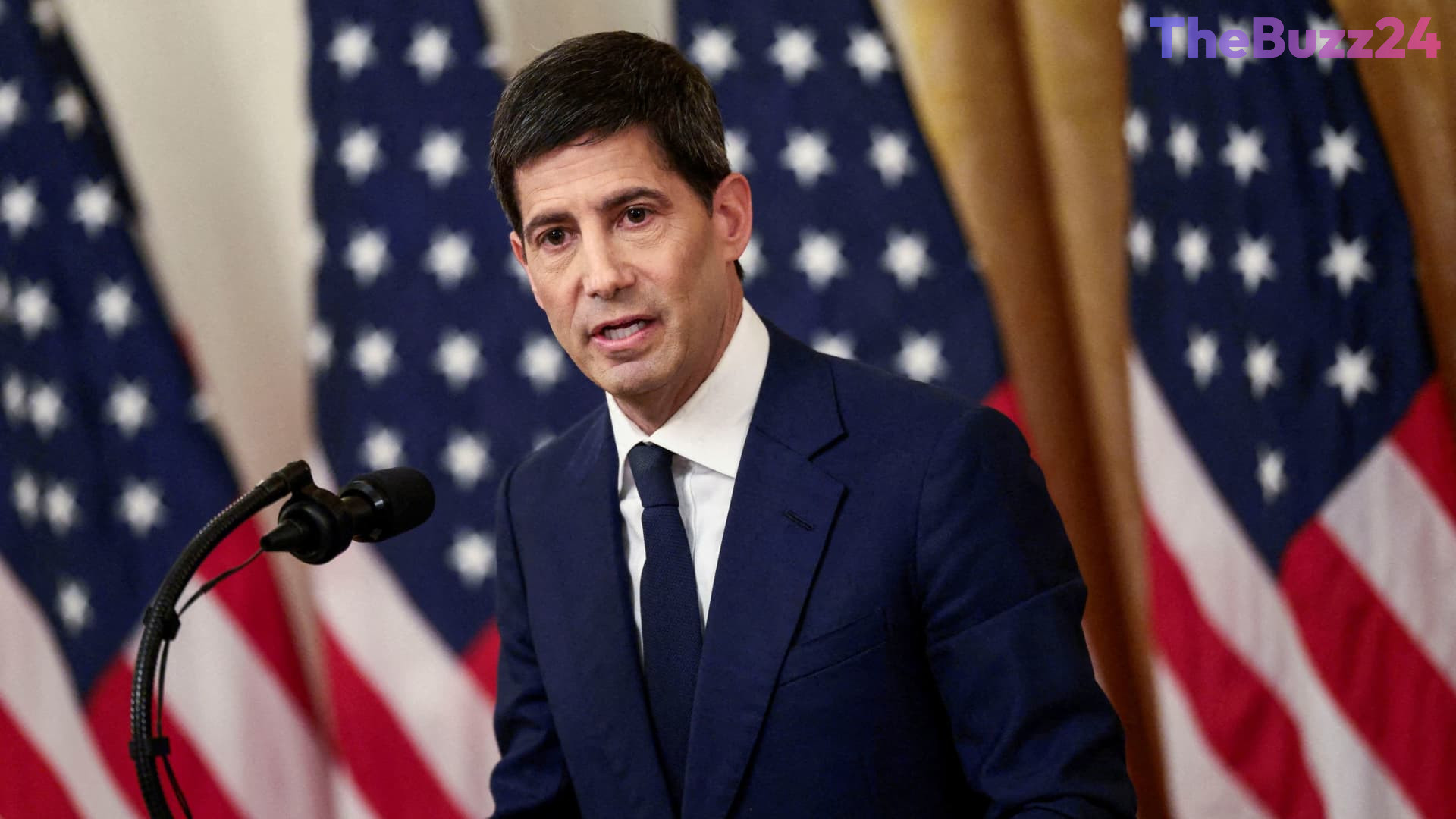
Federal Reserve Chairman Kevin Warsh is set to preside over his inaugural Federal Open Market Committee (FOMC) meeting this Wednesday, an event that market analysts suggest will be defined more by future policy signals than immediate interest rate adjustments. While the benchmark overnight borrowing rate is widely expected to remain steady within the 3.5% to 3.75% range, the focus has shifted toward how the new leadership will reshape the central bank’s communication strategy and long-term economic outlook.
The meeting will provide the first real glimpse into Warsh’s vision for the Fed, particularly regarding the $6.8 trillion balance sheet and the future of the committee’s controversial “dot plot” projections. Observers are closely watching to see if Warsh will participate in the Summary of Economic Projections (SEP), as he has previously expressed skepticism toward forward guidance tools that he believes may limit policy flexibility. His decision on whether to continue the practice of holding post-meeting press conferences will also serve as a key indicator of his commitment to transparency.
Market participants remain largely convinced that no rate changes are imminent, with futures data indicating a zero percent probability of a hike or cut during this session. Instead, the attention will be on the post-meeting news conference, where Warsh is expected to address the committee’s stance on inflation, unemployment, and GDP growth. As the Fed navigates a complex economic landscape, the industry is looking for clarity on how the new chair intends to balance immediate stability with his broader, long-term policy objectives.
Key Takeaways
- The Federal Reserve is widely expected to maintain current interest rates between 3.5% and 3.75% during the upcoming FOMC meeting.
- Chairman Kevin Warsh may signal a shift in communication strategy, potentially distancing the Fed from the "dot plot" forecasting tool.
- Market analysts are prioritizing the post-meeting press conference for insights into future balance sheet management and policy direction.
Editor’s Analysis & Impact
The transition to Kevin Warsh’s leadership at the Federal Reserve marks a potential turning point in central bank communications. By signaling a possible departure from rigid forward guidance tools like the ‘dot plot,’ Warsh is attempting to reclaim policy flexibility, a move that could reduce market volatility caused by over-reliance on these projections. However, this shift also introduces a new layer of uncertainty for investors who have grown accustomed to explicit guidance. The broader implication is a move toward a more discretionary, data-dependent approach to monetary policy. If Warsh successfully pivots away from prescriptive forecasting without destabilizing market expectations, it could restore the Fed’s reputation for agility. Conversely, any perceived lack of transparency could lead to increased market anxiety as participants struggle to interpret the committee’s future intentions regarding interest rates and balance sheet normalization.
Frequently Asked Questions
Q: Are interest rates expected to change at this week's Fed meeting?
A: No, market indicators suggest there is virtually no chance of an interest rate hike or cut during this meeting, with the focus remaining on the current 3.5% to 3.75% target range.
Q: Why is the 'dot plot' a point of interest for this meeting?
A: The 'dot plot' is a tool used for forward guidance on interest rates. There is speculation that Chairman Warsh may opt out of participating in it because he has previously expressed concerns that such tools restrict the committee's ability to react to changing economic conditions.
AI Disclosure: This article is based on verified data and official reports. Our Team and AI have cross-referenced every financial detail with primary sources to ensure total accuracy.
More from this Category