Central Banks Bolster Gold Reserves Amid Rising Global Tensions
Central banks worldwide are signaling a significant increase in their gold reserves over the coming year, driven by escalating geopolitical risks and a desire for greater financial security. A recent survey by the World Gold Council reveals a growing trend among monetary authorities to bolster their holdings of the precious metal, viewing it as a crucial hedge against inflation, currency fluctuations, and international instability.
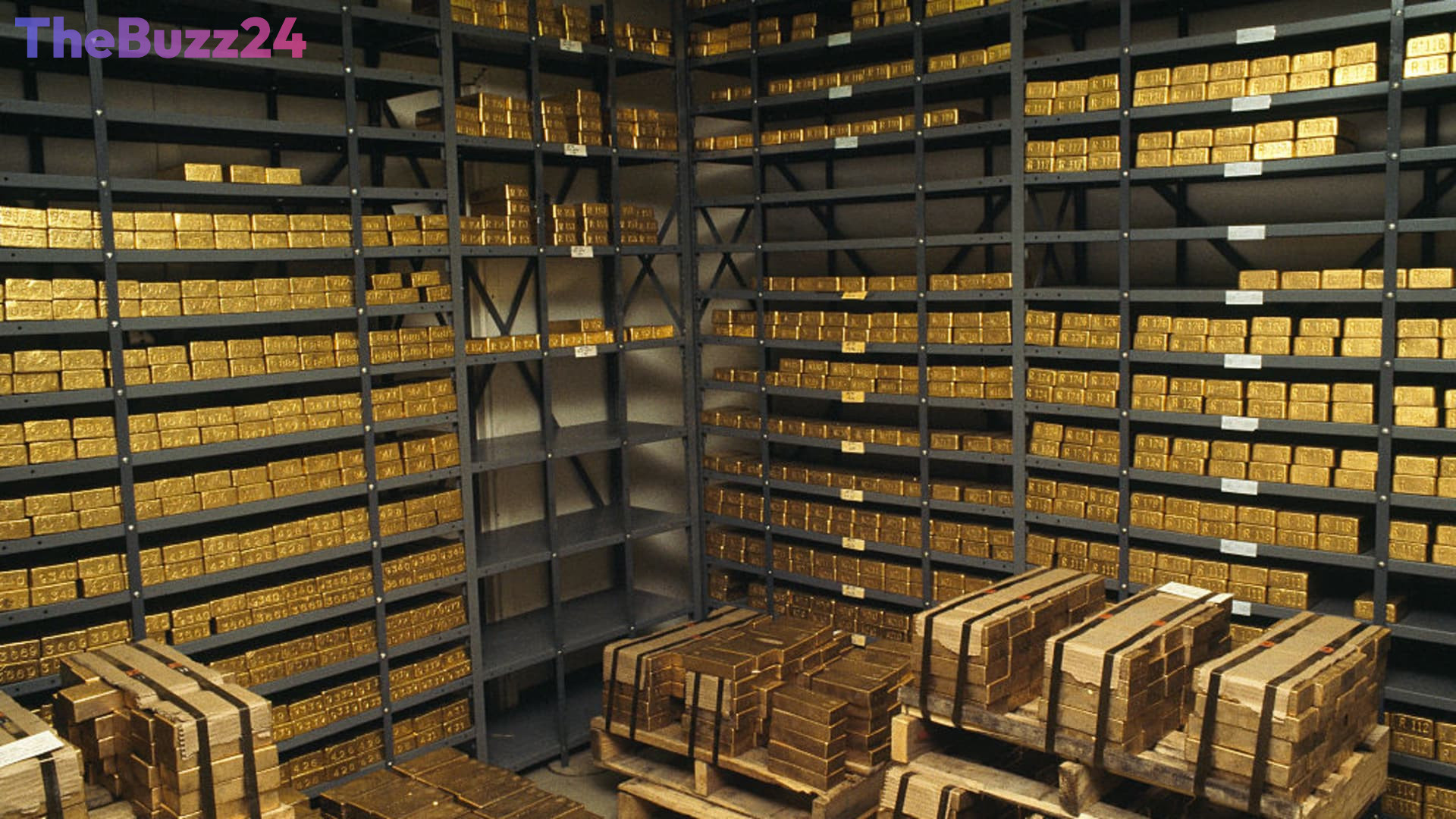
This strategic shift is also manifesting in how and where central banks store their gold. A notable increase in domestic bullion holdings is being observed, with more institutions opting to keep their gold within their own borders rather than relying solely on overseas vaults. This move towards repatriation and diversification of storage locations is a direct response to heightened geopolitical tensions, particularly following events that have raised concerns about the accessibility of foreign-held assets. Analysts suggest that the perceived risks associated with international financial arrangements are prompting a reassessment of reserve management strategies.
The World Gold Council’s findings indicate that central banks have been substantial buyers of gold in recent years, acquiring an average of 1,000 tonnes annually over the past four years, a figure double that of the preceding decade. The survey, which polled 74 central banks, found that nearly 90% anticipate an overall increase in global central bank gold reserves in the next year, with 45% expecting their own national holdings to grow. This sustained demand is expected to provide a stable floor for the gold market, even as other sectors of demand may fluctuate.
Furthermore, the survey highlights a growing preference for domestic storage, with a significant percentage of respondents reporting an increase in their home-country bullion holdings over the past year. Concurrently, there’s a rise in central banks diversifying their overseas storage arrangements, spreading their assets across multiple international locations. This dual approach of increasing domestic presence and diversifying international storage underscores a broader strategy to mitigate risks and ensure the security and accessibility of national reserves in an increasingly uncertain global landscape.
Key Takeaways
- Central banks plan to increase gold reserves significantly in the next year due to rising geopolitical risks.
- There is a growing trend of central banks storing gold domestically rather than overseas for increased security and accessibility.
- Gold continues to be viewed as a key hedge against inflation, currency risk, and geopolitical shocks by monetary authorities.
Editor’s Analysis & Impact
The increasing repatriation and accumulation of gold by central banks signals a profound shift in global financial strategy, driven by a palpable sense of geopolitical uncertainty. This trend suggests a move away from reliance on traditional reserve currencies and international financial systems towards tangible, sovereign assets. The sustained demand for gold, even with price fluctuations, underscores its enduring role as a safe-haven asset. This could lead to greater price stability for gold and potentially influence currency markets as nations seek to de-risk their reserves. The implications extend to international trade and investment, as a more gold-centric approach by central banks might reshape global financial flows and alliances.
Frequently Asked Questions
Q: Why are central banks increasing their gold reserves?
A: Central banks are increasing gold reserves primarily due to rising geopolitical tensions and economic uncertainty. Gold is seen as a safe-haven asset that can hedge against inflation, currency devaluation, and geopolitical shocks, offering greater security and accessibility compared to assets held abroad.
Q: What does it mean for central banks to store gold domestically?
A: Storing gold domestically means a central bank keeps its physical gold bullion within its own national borders, often in its own vaults or facilities, rather than in overseas locations like the Bank of England or the Federal Reserve Bank of New York. This is done to enhance security and ensure immediate access to reserves during times of international political or financial instability.
Q: How has central bank gold buying changed in recent years?
A: Central banks have significantly increased their gold purchases in recent years. They have been buying an average of 1,000 tonnes annually over the past four years, which is double the average rate of the previous decade, indicating a sustained and growing appetite for the precious metal.
AI Disclosure: This article is based on verified data and official reports. Our Team and AI have cross-referenced every financial detail with primary sources to ensure total accuracy.
More from this Category