Iranian Tankers Break Blockade as Historic U.S.-Iran Deal Nears, Reshaping Global Oil Flows
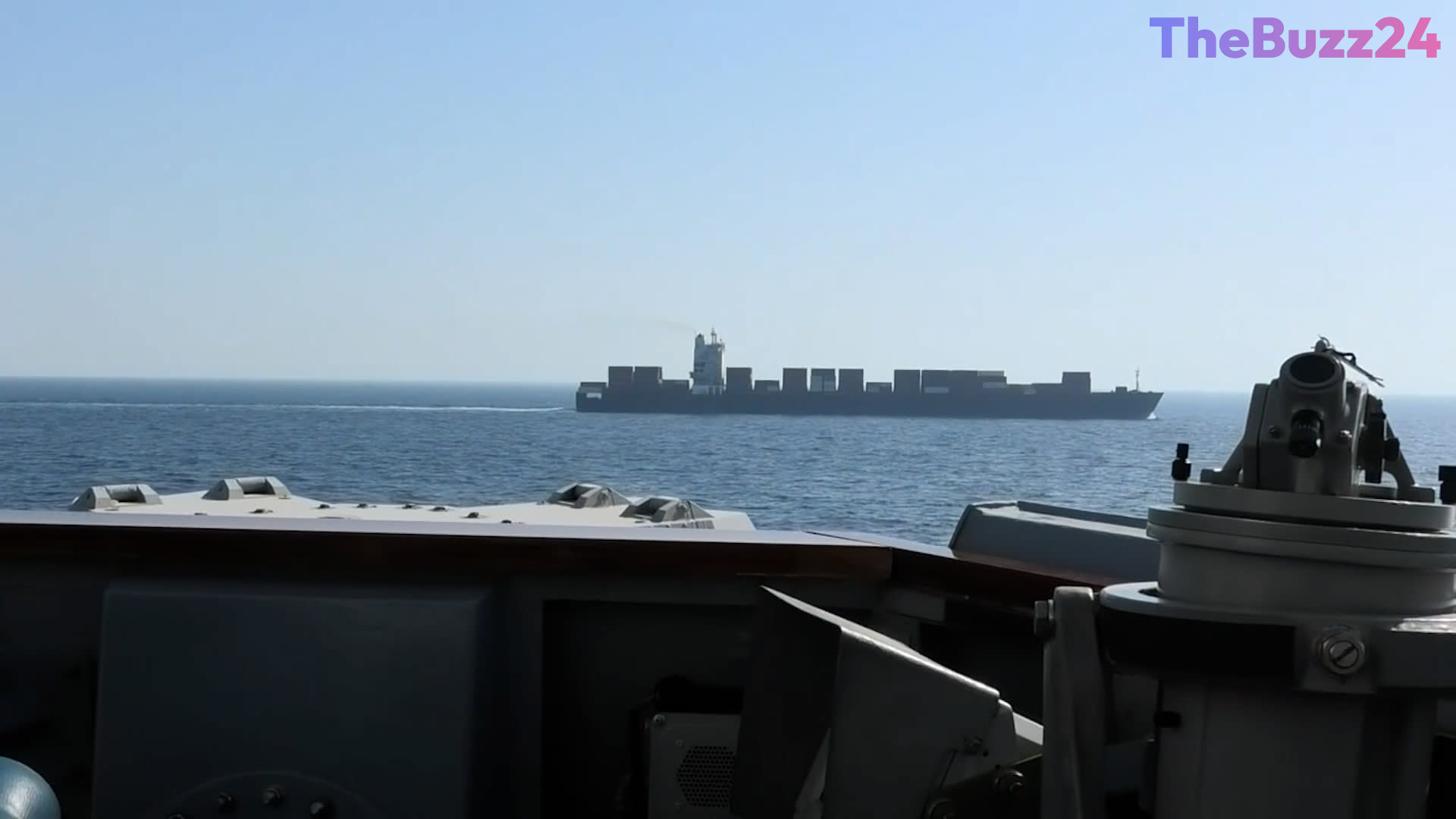
Three Iranian-linked tankers, carrying nearly five million barrels of crude oil, have successfully navigated past a U.S. Navy blockade in the Strait of Hormuz. This marks the first significant outbound shipment in two months and signals a potential shift in global energy dynamics, coinciding with an anticipated U.S.-Iran agreement set to be formalized in Geneva this Friday.
Among the vessels that exited the blockade were two supertankers, Diona and Hero 2, both owned by the National Iranian Tanker Company and currently under U.S. sanctions. These two ships alone transported a combined 3.8 million barrels of crude. A third tanker, carrying an additional one million barrels of Iranian crude, also cleared the blockade line, suggesting a broader preparation among Iranian-trading tankers to resume operations.
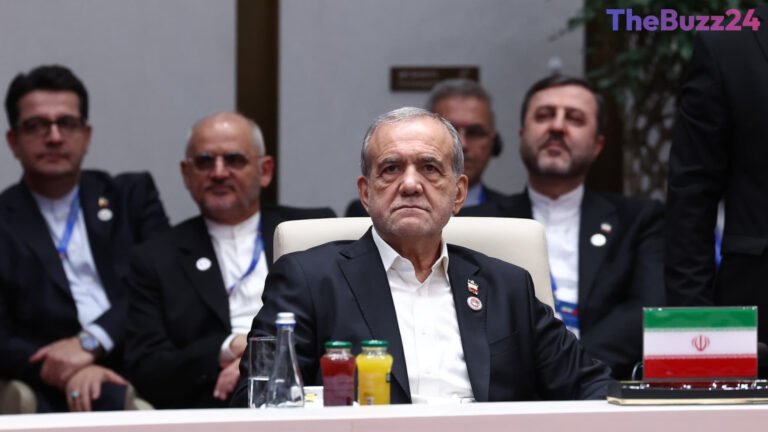
This movement comes as the U.S. and Iran are poised to sign a Memorandum of Understanding aimed at ending a nearly four-month conflict. While specific details remain undisclosed, the pact is expected to reopen the strategically vital Strait of Hormuz and waive sanctions on Iran’s oil sales. Washington reportedly intends to allow Tehran to immediately commence oil and fuel sales upon the agreement’s signing, in exchange for Iran’s commitment to curb its nuclear program.
The prospect of the Strait’s reopening, a waterway through which a fifth of the world’s oil previously flowed, has prompted a mixed reaction within the shipping industry. Some shipowners, eager to gain a first-mover advantage after months of elevated freight costs and war-risk insurance premiums, have begun repositioning vessels toward Gulf ports. However, the broader maritime sector remains cautiously optimistic, treating the news with “wary disbelief” rather than outright celebration, as insurers maintain high war-risk premiums, awaiting solid evidence of sustained safety in the region. Dozens of very large crude carriers (VLCCs) are reportedly heading towards the Middle East Gulf, yet many operators are holding back until the deal is formally signed and the safety of transit is unequivocally assured.
Key Takeaways
- Three Iranian-linked tankers have exited a U.S. Navy blockade, carrying nearly 5 million barrels of crude, marking the first major outbound shipment in two months.
- This development precedes an expected U.S.-Iran deal in Geneva, which aims to reopen the Strait of Hormuz and lift sanctions on Iranian oil sales in exchange for nuclear program curbs.
- The shipping industry is reacting with cautious optimism, with some vessels repositioning for potential demand, while others await formal agreement and assurances of safety due to ongoing high war-risk premiums.
Editor’s Analysis & Impact
The movement of Iranian tankers ahead of a potential U.S.-Iran deal signifies a critical juncture for global energy markets and maritime trade. Should the agreement materialize, the immediate reintroduction of Iranian crude could significantly impact oil prices, potentially increasing supply and easing inflationary pressures. For the shipping industry, the reopening of the Strait of Hormuz would be a major relief, reducing transit times, freight costs, and war-risk insurance premiums, though a full return to normalcy is expected to be gradual as trust is rebuilt. The broader geopolitical implications are substantial, potentially de-escalating regional tensions and reshaping alliances. However, the fragility of such agreements means market participants will remain vigilant, closely monitoring the implementation and long-term stability of the pact.
Frequently Asked Questions
Q: What is the significance of the Strait of Hormuz?
A: The Strait of Hormuz is a narrow, strategically vital waterway connecting the Persian Gulf to the open ocean. Before recent conflicts, approximately one-fifth of the world's oil flowed through this strait, making its closure or disruption a major concern for global energy supplies and prices.
Q: How will the potential U.S.-Iran deal impact global oil markets?
A: If the deal is signed and sanctions on Iranian oil sales are waived, it could lead to a significant increase in global crude oil supply. This influx of Iranian oil could potentially stabilize or lower international oil prices, impacting energy markets worldwide.
Q: Why are shipowners reacting with 'wary disbelief' despite the positive news?
A: Shipowners are cautious because the region has experienced prolonged conflict and high risks. While a deal is promising, they require 'solid evidence' that the waterway will remain safe and secure for transit. Insurers are also holding firm on high war-risk premiums until the situation is formally resolved and proven stable, indicating a fragile reprieve rather than an immediate return to pre-conflict normality.
AI Disclosure: This article is based on verified data and official reports. Our Team and AI have cross-referenced every financial detail with primary sources to ensure total accuracy.
More from this Category