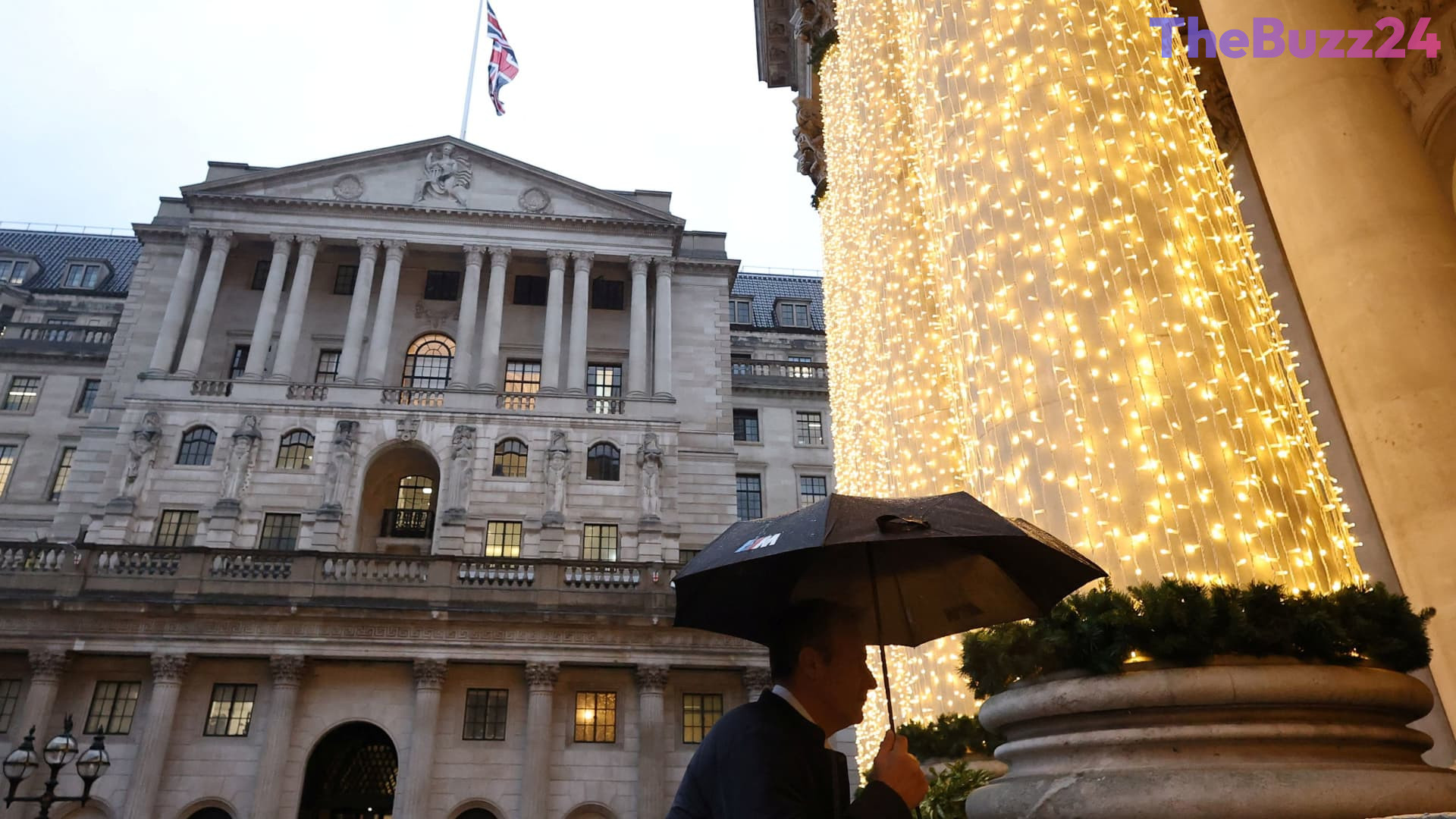
UK Inflation Remains Steady at 2.8% Amid Economic Uncertainty
The United Kingdom’s annual inflation rate remained unchanged at 2.8% in May, defying market expectations that anticipated a rise toward 3%. Official data highlights that while price pressures persist, the current reading sits comfortably below the inflation rates observed in the euro zone and the United States.
Transportation costs emerged as the primary driver of inflationary pressure during the month. Specifically, air fares saw a significant month-on-month increase of 10.3%, a surge partially attributed to the timing of the Easter holiday. Additionally, motor fuel prices reached their highest levels since late 2022, contributing to the overall cost burden for consumers. These increases were somewhat mitigated by a decline in the prices of food and non-alcoholic beverages.
Looking ahead, the economic landscape remains complex as the nation prepares for a 13% increase in the regulated energy price cap later this summer. This anticipated hike is expected to push energy costs to a two-year high, potentially reversing the current cooling trend in inflation. Meanwhile, the Bank of England is widely expected to maintain its key interest rate at 3.75% during its upcoming meeting, as policymakers adopt a cautious ‘wait and see’ approach regarding global energy volatility and domestic price stability.
Key Takeaways
- UK inflation held steady at 2.8% in May, coming in lower than the 3% forecast by many analysts.
- Transportation costs, driven by a 10.3% jump in air fares and rising fuel prices, were the largest contributors to inflation.
- The Bank of England is expected to keep interest rates at 3.75% this week, maintaining a cautious stance amid future energy price cap hikes.
Editor’s Analysis & Impact
The stability of the UK inflation rate at 2.8% provides a temporary reprieve for the Bank of England, allowing policymakers to maintain current interest rates while navigating significant external risks. However, the outlook remains precarious. The looming 13% increase in the energy price cap suggests that the current ‘steady’ reading may be a brief plateau before renewed upward pressure on the Consumer Price Index. Furthermore, the sensitivity of the UK economy to global energy markets—highlighted by recent volatility in the Middle East—means that domestic monetary policy remains hostage to geopolitical developments. Investors should expect continued market caution, with the central bank likely to prioritize flexibility over aggressive rate adjustments until the full impact of the upcoming energy price hikes is realized.
Frequently Asked Questions
Q: Why did inflation remain at 2.8% instead of rising to 3%?
A: While transportation and fuel costs rose significantly, these increases were partially offset by a decline in the prices of food and non-alcoholic beverages, keeping the overall rate lower than anticipated.
Q: What is the expected impact of the upcoming energy price cap change?
A: The energy price cap is set to rise by 13% later this summer, which is expected to push energy costs to a two-year high and likely exert upward pressure on future inflation readings.
AI Disclosure: This article is based on verified data and official reports. Our Team and AI have cross-referenced every financial detail with primary sources to ensure total accuracy.
More from this Category