Iranian Oil Tankers Breach US Blockade in Strategic Gulf Maneuver
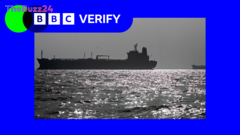
In a significant development in the Persian Gulf, three Iranian oil tankers, identified as Diona, Hero II, and Sonia I, have reportedly traversed a US naval blockade line in the Gulf of Oman. Ship-tracking data indicates that two of the vessels were actively broadcasting their locations as they crossed the designated line, with the third appearing to activate its tracker shortly thereafter.
This move comes amid conflicting signals regarding the blockade’s status. While President Donald Trump had announced the “immediate removal” of the blockade on Iranian ports, US naval forces later clarified that the enforcement would persist until a deal with Iran is finalized, expected this Friday in Switzerland. Analysts suggest this action by Iran signals a strong confidence that the blockade is effectively over, irrespective of the official US stance.
The tankers, all owned by the sanctioned National Iranian Tanker Company (NITC), are carrying a substantial combined cargo of 3.8 million barrels of crude oil. This marks potentially Iran’s first oil exports in two months, according to maritime intelligence sources. The US blockade has previously been instrumental in reducing Iran’s crude exports to a six-year low. The activation of location trackers by these vessels, the first since March for some, indicates a renewed effort by Iran to re-enter the global oil market.
Key Takeaways
- Three Iranian oil tankers have crossed a US naval blockade line in the Gulf of Oman.
- The tankers are carrying 3.8 million barrels of crude oil, potentially marking Iran's first exports in two months.
- The incident occurs amidst conflicting statements about the blockade's status, with Iran appearing to act on an assumption of its removal.
Editor’s Analysis & Impact
This bold move by Iran’s oil tankers signifies a potential shift in the geopolitical energy landscape. By seemingly testing and breaching the US blockade, Iran asserts its intention to resume oil exports despite ongoing sanctions and negotiations. This could lead to increased global oil supply, potentially impacting prices, and will likely be closely watched by international markets and governments. The effectiveness of the US blockade and its future enforcement will be critical factors to monitor, as Iran appears determined to circumvent restrictions and re-establish its position as a significant oil exporter.
Frequently Asked Questions
Q: What is the significance of the US blockade on Iranian oil tankers?
A: The US blockade aims to pressure Iran by restricting its oil exports, a major source of revenue. This action is part of broader US foreign policy aimed at curbing Iran's nuclear program and influence.
Q: Why are the Iranian tankers broadcasting their locations now?
A: The tankers broadcasting their locations, especially after a period of silence, suggests Iran's confidence in resuming oil exports. It could be a signal that they believe the blockade is no longer a significant impediment, possibly in anticipation of a deal or a change in enforcement.
Q: What are the potential consequences of Iran resuming oil exports?
A: Resuming oil exports could provide Iran with much-needed economic relief and increase global oil supply, potentially leading to fluctuations in international oil prices. It could also impact ongoing diplomatic negotiations and regional stability.
AI Disclosure: This article is based on verified data and official reports. Our Team and AI have cross-referenced every financial detail with primary sources to ensure total accuracy.
More from this Category