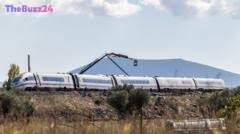
EU Launches Fraud Probe into Spanish Rail Funds Following Deadly Disasters
European Union prosecutors have initiated an investigation into the potential misuse of EU funds designated for the modernization of a Spanish railway line, following two catastrophic train accidents that have claimed the lives of 69 people. The inquiry is being conducted by the European Public Prosecutor’s Office (EPPO) with assistance from Spain’s Guardia Civil security force, targeting the offices of the Adif rail infrastructure authority and the rail safety agency AESF.
The recent tragedy occurred on October 28th on the Madrid-Seville high-speed line when a train operated by the state-owned Renfe collided with a stationary train belonging to the private company Iryo near the town of Urda. This incident, one of the most severe rail disasters in Europe this century, has raised serious questions about the safety and management of the nation’s rail network. The accident happened after the LZB train control system reportedly failed, leading to the Renfe train being cleared to proceed at full speed despite the presence of the stationary Iryo train.
This is the second major EU fraud inquiry into Spain’s railways this year, compounding concerns after a previous accident in January on the same line at Adamuz resulted in 46 fatalities. The combined death toll from these two incidents now stands at 115, with numerous other injuries. The EPPO stated that the investigation is focused on potential fraud impacting EU funds allocated for the renovation and upgrading of safety, signaling, and communication systems along the critical Madrid-Seville high-speed route. While acknowledging the significant public interest, the EPPO has refrained from releasing further details at this stage.
The dual tragedies have cast a shadow over Spain’s political landscape, particularly impacting the Socialist-led government of Prime Minister Pedro Sánchez ahead of upcoming general elections. The resignation of Transport Minister Óscar Puente, who oversaw both accidents, has done little to quell political opposition, with calls for Sánchez himself to step down. The incidents have also led to public apprehension about train travel, with reports of service disruptions and a noticeable decline in passenger numbers, prompting the new Transport Minister, Carlos Cuerpo, to pledge a comprehensive effort to restore public confidence.
Key Takeaways
- EU prosecutors are investigating potential fraud involving EU funds for Spanish rail upgrades after two deadly accidents.
- The investigation targets Adif and AESF, focusing on safety, signaling, and communication systems on the Madrid-Seville high-speed line.
- The rail disasters have led to political fallout, public concern, and a new transport minister's commitment to restoring confidence.
Editor’s Analysis & Impact
The European Union’s fraud investigation into Spanish rail infrastructure funding adds a critical layer of scrutiny to an already tragic situation. The dual accidents on the Madrid-Seville line, coupled with the EPPO’s probe, highlight potential systemic issues in the allocation and utilization of EU funds for critical infrastructure projects. This situation could have broader implications for how EU funds are managed across member states, potentially leading to stricter oversight and compliance requirements. For Spain, the scandal risks damaging its reputation for infrastructure development and could impact future investment. The political ramifications, especially with elections looming, underscore the sensitive nature of public safety and government accountability.
Frequently Asked Questions
Q: What is the European Public Prosecutor's Office (EPPO)?
A: The EPPO is the independent public prosecution office of the European Union, responsible for investigating, prosecuting, and bringing to justice crimes affecting the financial interests of the EU, such as fraud, corruption, and cross-border VAT evasion.
Q: What specific systems are under scrutiny in the Spanish rail investigation?
A: The investigation is focused on the renovation and upgrading of safety, signaling, and communication systems on the Madrid-Seville high-speed railway line, particularly in light of the LZB communication system's reported failure during the recent accident.
Q: What are the political consequences of the rail accidents in Spain?
A: The accidents have led to the resignation of the Transport Minister, Óscar Puente, and have intensified political pressure on Prime Minister Pedro Sánchez's government, especially with general elections approaching. Opposition parties are using the incidents to criticize the government's performance and accountability.
AI Disclosure: This article is based on verified data and official reports. Our Team and AI have cross-referenced every financial detail with primary sources to ensure total accuracy.
More from this Category