The High-Stakes Gamble: Inside the Dangerous World of Iran-Pakistan Fuel Smuggling
In the arid, volatile landscape of Balochistan, a desperate trade has intensified as regional geopolitical tensions escalate. Thousands of local workers, facing extreme poverty and a lack of formal employment, are increasingly turning to the illicit smuggling of petroleum products from Iran into Pakistan. This underground economy, which has persisted for decades, has seen a surge in activity as global conflicts disrupt traditional oil supply chains, driving up demand for cheaper, black-market fuel.
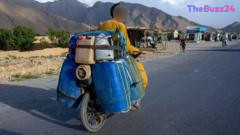
For the smugglers, the journey is fraught with peril. Motorcyclists often transport volatile fuel canisters across hundreds of kilometers of desert terrain, where temperatures can soar to 50C (120F). The intense heat poses a constant threat of combustion, with leaking containers frequently leading to fatal accidents. Beyond the environmental hazards, these individuals must navigate a region plagued by long-standing separatist conflicts and security instability, making every trip a life-or-death gamble for those who view the trade as their only means of survival.
Economic data suggests the scale of this operation is massive, with estimates valuing the annual smuggled fuel trade at approximately $1 billion. The impact on Pakistan’s formal economy is significant, as official petroleum sales have plummeted to 27-year lows. While the government has periodically attempted to crack down on the trade, the remote nature of the 900km border and the deep-seated economic necessity for the local population make it nearly impossible to eradicate. For many in Balochistan, the choice is not between legal and illegal work, but between participating in the smuggling trade or facing total destitution.
Industry experts note that the illicit flow is further complicated by international sanctions and the involvement of organized groups seeking to bypass global trade restrictions. Despite the risks of arrest, injury, or death, the trade remains a vital lifeline for millions. As long as the region remains economically marginalized and geopolitical instability continues to drive up global energy prices, the dangerous cycle of fuel smuggling across the Iran-Pakistan border is expected to persist.
Key Takeaways
- Fuel smuggling from Iran to Pakistan has surged due to global supply chain disruptions and rising energy costs.
- The trade is a primary economic lifeline for millions in the impoverished Balochistan region, where formal job opportunities are scarce.
- Smugglers face extreme risks, including life-threatening heat, volatile cargo, and ongoing regional security conflicts.
Editor’s Analysis & Impact
The fuel smuggling crisis in Balochistan serves as a stark example of how geopolitical instability directly impacts the most vulnerable populations. When formal economies fail to provide basic livelihoods, illicit markets inevitably fill the void. The $1 billion annual valuation of this trade highlights a significant leakage in Pakistan’s national revenue, yet the government faces a ‘Catch-22’: aggressive enforcement could trigger humanitarian crises or social unrest in an already volatile province. Moving forward, the situation is unlikely to stabilize without substantial investment in Balochistan’s infrastructure and formal job creation. As long as Iran remains under heavy sanctions and global oil prices remain volatile, the incentive for this high-risk, high-reward illicit trade will continue to outweigh the dangers for the local workforce.
Frequently Asked Questions
Q: Why has fuel smuggling between Iran and Pakistan increased recently?
A: The increase is largely driven by global conflicts disrupting oil supply chains, which has caused fuel prices to surge, making cheaper, smuggled Iranian fuel more attractive to consumers in Pakistan.
Q: What are the primary risks for those involved in the smuggling trade?
A: Smugglers face extreme environmental hazards, such as temperatures reaching 50C that can cause fuel containers to explode, as well as the dangers of navigating a region marked by separatist violence and potential legal repercussions.
AI Disclosure: This article is based on verified data and official reports. Our Team and AI have cross-referenced every financial detail with primary sources to ensure total accuracy.
More from this Category