Stanford Grads Secure $11.6M for Revolutionary Noninvasive Hormone Tracker
Two Stanford University graduates, Jenny Duan and Abhinav Agarwal, have successfully raised $11.6 million to launch Clair Health, a startup poised to transform women’s health tracking. Their ambitious goal is to develop a stylish wearable device capable of noninvasively monitoring hormone levels, offering women deeper insights into their well-being.
Clair Health aims to go beyond basic cycle tracking by monitoring key markers for inflammation, bloating, energy levels, and classifying cycle phases. This data will provide users with valuable information on cycle irregularities, perimenopause symptoms, and hormonal fluctuations, empowering them to better understand and navigate these changes. The company’s innovative approach includes a unique voice-based onboarding system designed to collect user-specific health data. Clair Health claims to have developed proprietary AI that analyzes voice biomarkers to determine a user’s current cycle phase with remarkable accuracy after just a brief conversation.
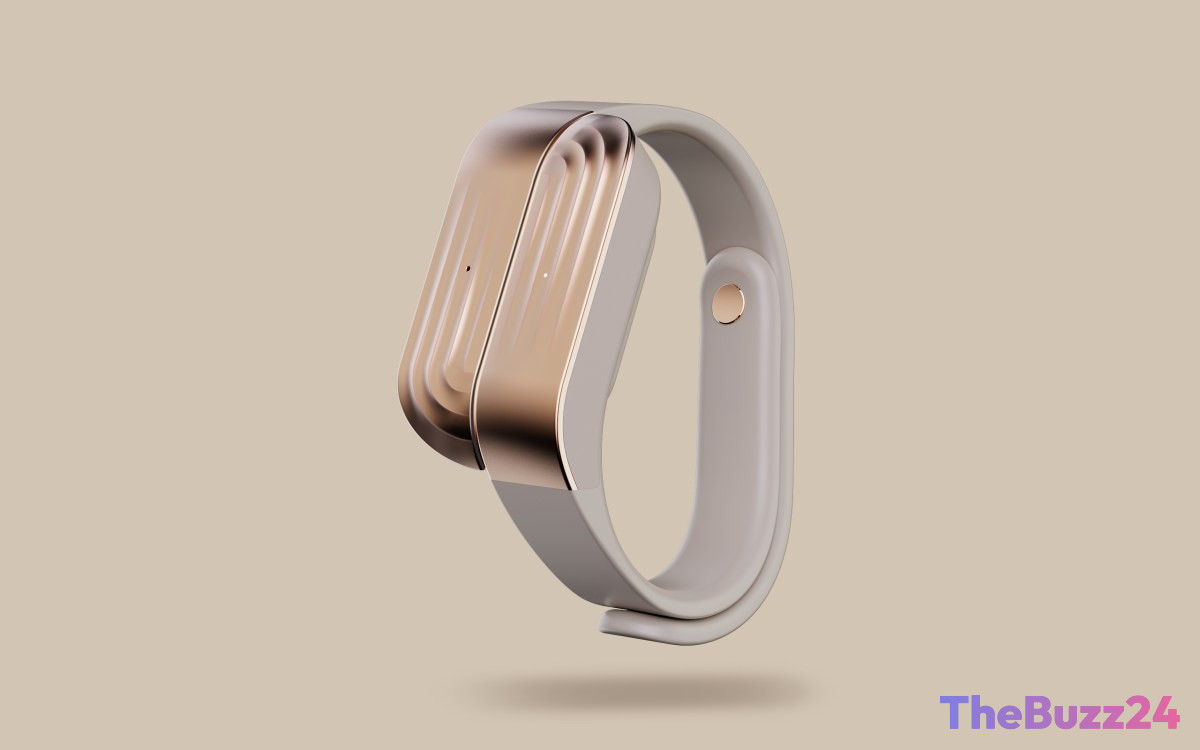
Duan highlighted the limitations of current women’s health apps, stating, “women can’t communicate a large amount of symptoms because the apps are built for only specific ones. With our voice stack, we are giving our users a way to communicate their own problems in their own way.” The wearable itself is equipped with ten biosensors, including a novel biomagnetic sensor, which the company asserts are crucial for capturing real-time hormonal insights, unlike conventional wearables like the Apple Watch or Pixel Watch that rely on less comprehensive sensor technology.
The substantial funding round was led by Khosla Ventures, with significant contributions from a16z Speedrun, Brydge Club, Treehub, Cartan Capital, AGI House, Insiders VC, and notable angel investors Anne Wojcicki and Stephanie Coleman. Clair Health plans to leverage its extensive data partnerships, which include access to millions of electronic health records, to build advanced models for understanding various women’s health issues such as endometriosis and premenstrual dysphoric disorder (PMDD). The device is slated for release in November, priced at $369 with a $9.99 monthly subscription, and preorders are now open.
Key Takeaways
- Clair Health has raised $11.6 million to develop a noninvasive wearable for hormone tracking.
- The device uses advanced biosensors and AI-powered voice analysis to provide comprehensive women's health insights.
- The startup aims to offer a more detailed understanding of hormonal health compared to existing wearables and apps.
Editor’s Analysis & Impact
The substantial funding secured by Clair Health underscores a growing investor interest in the femtech sector and the potential for AI-driven health solutions. By focusing on noninvasive hormone tracking, a notoriously complex area of health, the company addresses a significant unmet need for women seeking better understanding and management of their hormonal health. The integration of voice analysis as a biomarker collection method is particularly innovative, potentially offering a more accessible and nuanced approach than traditional methods. If successful, Clair Health could disrupt the current market, offering a more holistic view of women’s health and providing valuable data for both individuals and healthcare providers, potentially influencing future diagnostic and treatment protocols.
Frequently Asked Questions
Q: What makes Clair Health's wearable different from devices like the Apple Watch?
A: Clair Health's wearable utilizes ten biosensors, including a novel biomagnetic sensor specifically designed for hormonal insights. This is a significant advancement over standard wearables like the Apple Watch, which primarily rely on sensors like gyroscopes and optical heart rate monitors that are not sufficient for detailed hormone tracking.
Q: How does Clair Health use AI in its tracking system?
A: Clair Health employs proprietary AI to analyze voice biomarkers collected during an onboarding process. This AI can determine a user's current menstrual cycle phase and potentially identify other health markers after just a few minutes of conversation, offering a unique and personalized approach to data collection.
Q: What health conditions does Clair Health aim to help users understand?
A: The company aims to provide insights into various hormonal health aspects, including cycle irregularities, perimenopause symptoms, inflammation, bloating, and energy levels. They also plan to develop insights into conditions like endometriosis and premenstrual dysphoric disorder (PMDD) through their advanced data analysis.
AI Disclosure: This article is based on verified data and official reports. Our Team and AI have cross-referenced every financial detail with primary sources to ensure total accuracy.
More from this Category