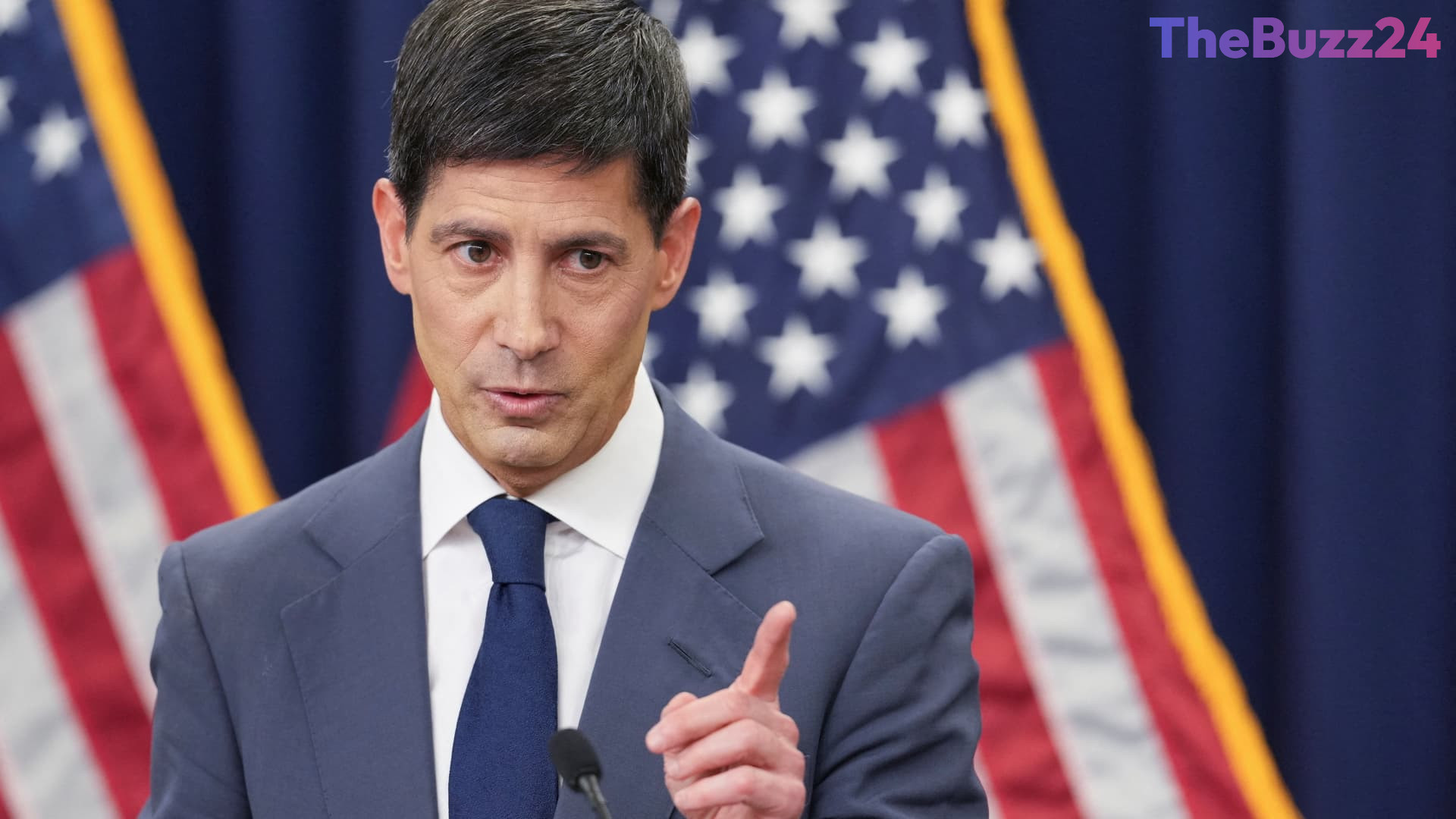
Kevin Warsh Signals New Era of Monetary Policy in Debut Fed Meeting
In his inaugural meeting as Federal Reserve Chairman, Kevin Warsh oversaw a decision to maintain the benchmark interest rate between 3.5% and 3.75%. While the immediate policy remained steady, the central bank introduced significant shifts in communication and internal structure that caught investors off guard, leading to a notable decline in major market averages.
One of the most striking developments was the release of the ‘dot plot’ projections, which revealed a split among committee members. While there were no dissents regarding the current rate hold, the median projection now leans toward a potential quarter-percentage-point increase later this year. Notably, Warsh confirmed he would not be submitting his own projections, maintaining his long-standing skepticism regarding the utility of such forward guidance in shaping future policy.
Beyond interest rates, Warsh initiated a major institutional overhaul by establishing five new task forces. These groups are tasked with evaluating critical areas including the Fed’s balance sheet, labor market data, the influence of artificial intelligence on the economy, and the central bank’s overall approach to inflation. This move signals a departure from the status quo, as Warsh emphasized an ‘unambiguous’ commitment to price stability throughout his press conference.
Finally, the Fed’s communication strategy underwent a dramatic transformation. The post-meeting statement was condensed to just 130 words, a sharp reduction from the typical 300-word documents of the past. By stripping away boilerplate language, Warsh aims to provide clearer, more direct messaging to the markets, though the immediate reaction from investors suggests that the new, more concise framework will require a period of adjustment.
Key Takeaways
- The Federal Reserve held interest rates steady but signaled a potential hike later this year through the latest dot plot projections.
- Chairman Kevin Warsh launched five new task forces to overhaul the Fed's operational framework, focusing on areas like AI and inflation strategy.
- The central bank significantly shortened its post-meeting policy statement to improve clarity and reduce ambiguity in market communications.
Editor’s Analysis & Impact
Kevin Warsh’s debut as Fed Chair marks a pivot from the predictable, data-heavy communication style of his predecessors toward a more agile, reform-oriented framework. By prioritizing brevity and establishing task forces to study transformative trends like artificial intelligence, Warsh is signaling that the Fed will no longer operate on autopilot. The market’s negative reaction reflects the uncertainty inherent in this ‘regime change.’ Investors, who had grown accustomed to the Fed’s previous signaling patterns, are now forced to recalibrate their expectations. The emphasis on price stability suggests a hawkish bias that could keep Treasury yields elevated in the near term. Moving forward, the success of Warsh’s tenure will depend on whether these structural reforms actually improve economic outcomes or simply introduce unnecessary volatility into an already sensitive financial landscape.
Frequently Asked Questions
Q: Did the Federal Reserve change interest rates in Kevin Warsh's first meeting?
A: No, the Federal Reserve voted to keep the benchmark interest rate steady between 3.5% and 3.75%.
Q: Why did the Fed's post-meeting statement change?
A: Chairman Warsh implemented a new communication strategy to make the statements more concise and less ambiguous, reducing the length from over 300 words to approximately 130 words.
Q: What is the purpose of the new task forces announced by the Fed?
A: The task forces are designed to review the Fed's balance sheet, communication methods, data reliance, the impact of artificial intelligence on the economy, and the central bank's inflation approach.
AI Disclosure: This article is based on verified data and official reports. Our Team and AI have cross-referenced every financial detail with primary sources to ensure total accuracy.
More from this Category