Pixi Launches Interactive AR Messaging App to Transform Digital Communication
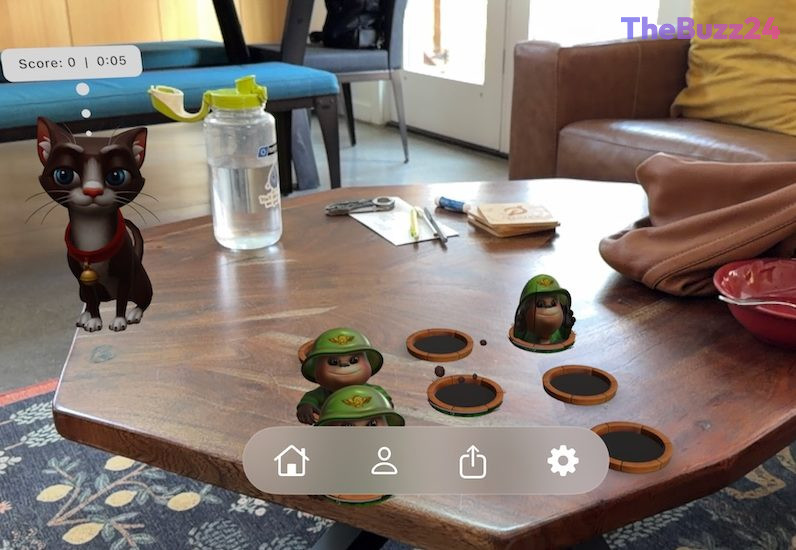
The landscape of digital messaging is shifting as a new startup, Pixi, introduces an iOS application designed to replace static stickers and GIFs with interactive augmented reality (AR) characters. By integrating on-device artificial intelligence, the app allows users to send characters through iMessage that do not merely sit on a screen but actively engage with the recipient’s physical environment. These digital entities can perceive their surroundings, react to real-world objects, and respond to the user’s facial expressions in real time.
Founded by former DreamWorks Animation and Apple veteran Mark Drummond, Pixi aims to foster a greater sense of presence in remote communication. The technology utilizes the iPhone’s camera to anchor these characters in the user’s space, enabling experiences such as virtual pets that react to real animals or interactive games like tic-tac-toe. To ensure user privacy, the company emphasizes that all visual and audio processing is handled locally on the device rather than in the cloud.
At its launch, the platform features a variety of characters, including a robot, a cat, and an animated envelope, with plans to expand into a broader marketplace. This ecosystem will eventually allow brands, studios, and independent creators to distribute their own characters, potentially serving as a new medium for marketing campaigns or promotional events. Furthermore, Pixi intends to introduce generative AI tools that will empower users to create custom characters with unique personalities and behaviors.
Currently available for iPhone 11 and newer models, the app allows recipients to view and interact with AR messages without needing to install the software themselves. While the service is free for general users, Pixi is building a business model that allows creators and brands to monetize their characters, though the company encourages free distribution to maximize reach and engagement.
Key Takeaways
- Pixi's new iOS app enables users to send AI-powered AR characters via iMessage that interact with the recipient's real-world environment.
- The app prioritizes privacy by performing all visual and audio processing directly on the user's device.
- Future plans include a creator marketplace and generative AI tools that will allow users to design their own custom AR characters.
Editor’s Analysis & Impact
Pixi’s entry into the messaging space represents a significant evolution in how we perceive digital communication, moving from passive media consumption to active, spatial interaction. By leveraging on-device AI, the company addresses the growing demand for privacy-conscious tech while simultaneously creating a new frontier for brand engagement. The shift toward ‘digitally native’ gifting and interactive storytelling could disrupt the current sticker and emoji market, which has remained largely stagnant for years. If Pixi successfully scales its marketplace and opens its generative tools to the public, it could establish a new standard for social media engagement. However, the long-term success of this platform will depend on its ability to expand beyond the iOS ecosystem and maintain a high-quality, seamless user experience as the library of characters grows.
Frequently Asked Questions
Q: Do recipients need to download the Pixi app to see the AR messages?
A: No, recipients do not need to install the app to view or interact with the AR characters sent via iMessage.
Q: Which devices are currently supported by Pixi?
A: The app is currently available for iPhone 11 and newer models, with plans to expand to Android and other messaging platforms in the future.
Q: How does Pixi protect user privacy?
A: Pixi processes all visual and audio data locally on the user's device, ensuring that no sensitive environmental data is sent to the cloud.
AI Disclosure: This article is based on verified data and official reports. Our Team and AI have cross-referenced every financial detail with primary sources to ensure total accuracy.
More from this Category