From Runways and Menus to Record Labels: Why Major Brands Are Producing Original Music
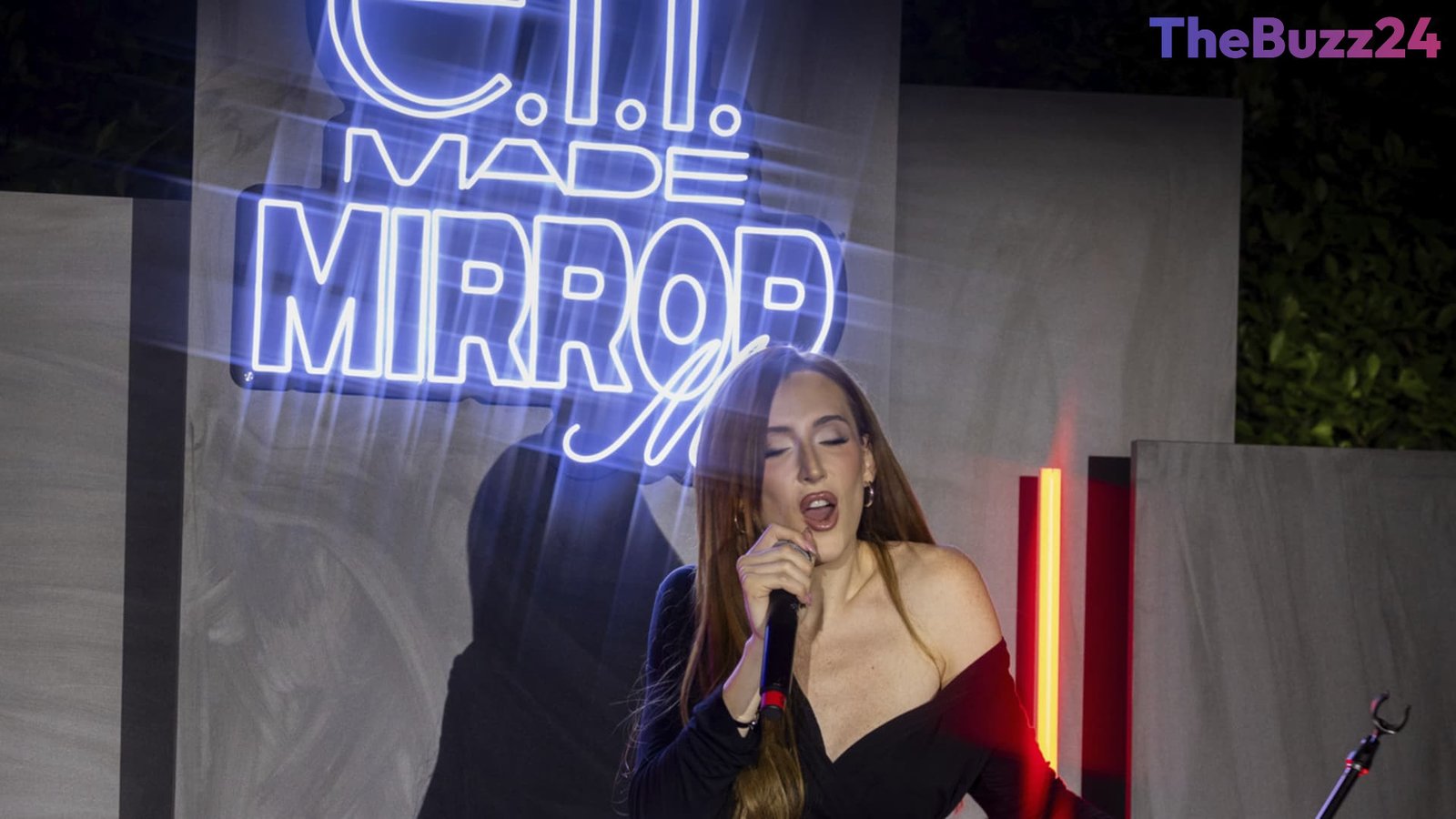
Major retail brands are increasingly transforming into entertainment powerhouses as the boundary between commerce and pop culture blurs. In recent weeks, companies spanning cosmetics, fast food, and apparel—including E.l.f. Beauty, Wendy’s, and Gap—have launched original music projects to capture consumer attention. E.l.f. Beauty recently released “Mirror Mix,” an original album showcasing tracks from seven up-and-coming artists across platforms such as Spotify, Apple Music, and Roblox, underscoring an industry-wide pivot toward lifestyle-driven engagement.
For E.l.f., the musical venture represents a core component of its “disruptive marketing” playbook. The cosmetics company has made entertainment central to its branding, following past viral campaigns on TikTok and previous musical drops. The effort is supported by significant resources, with the company reallocating more than 20% of net sales back into marketing and digital initiatives—bolstered in part by a $50 million tariff reimbursement following a federal court ruling. Executives report that leaning into viral, community-oriented content has tripled the brand’s unaided awareness over the past five years while powering dozens of consecutive quarters of financial growth.
Other industry giants are executing comparable entertainment blueprints to revitalize consumer enthusiasm. Clothing retailer Gap has launched a new “fashiontainment” division, forming a multiyear alliance with the pop group Just Your Type. The partnership includes a docuseries, a nationwide mall tour, and an exclusive apparel line, as company leadership looks to move beyond conventional advertising and treat fashion as an active cultural dialogue. The initiative comes amid broader revitalization efforts aimed at reasserting the heritage brand’s presence in youth culture.
Fast-food chain Wendy’s has also embraced the medium, taking a humorous approach with an emo-themed album titled “Songs to Listen to in a Wendy’s Parking Lot.” Tracks satirizing modern dining experiences quickly garnered hundreds of thousands of streams. These creative gambits reflect broader shifts in consumer psychology: younger demographics, particularly Gen Z, increasingly demand cultural authenticity and relevance, rewarding companies that entertain them with heightened loyalty and sustained sales.
Key Takeaways
- Retailers like E.l.f. Beauty, Gap, and Wendy's are releasing original albums and entertainment projects to connect directly with consumers.
- Traditional ad formats are being replaced by culture-first marketing strategies aimed at capturing Gen Z's growing purchasing power.
- E.l.f. Beauty is reinvesting over 20% of net sales into marketing and digital platforms, fueled partly by a $50 million tariff refund.
Editor’s Analysis & Impact
The pivot from traditional digital display and broadcast ads toward proprietary music and docuseries highlights a major shift in modern brand strategy. In an era dominated by ad-blockers and subscription streaming, consumers actively avoid conventional corporate pitches. By transitioning into content producers, retail brands effectively monetize attention through cultural currency rather than transactional advertising. For Gen Z, purchasing decisions are closely tied to a brand’s identity and community alignment. Moving forward, marketing departments will increasingly resemble entertainment studios, competing not just with industry rivals, but with music labels and media platforms for organic cultural mindshare. While the risk of feeling inauthentic is high, companies that successfully nail the tone can secure durable brand awareness and unprecedented engagement rates.
Frequently Asked Questions
Q: Why are brands like E.l.f. and Wendy's releasing original music?
A: Brands are using original music and entertainment to build deeper emotional connections with younger audiences, cut through advertising fatigue, and increase unaided brand awareness.
Q: What is Gap's 'fashiontainment' strategy?
A: Gap's 'fashiontainment' platform combines fashion and lifestyle entertainment through strategic collaborations, such as partnering with musical artists for docuseries, live tours, and dedicated clothing collections.
Q: How is E.l.f. Beauty financing its increased marketing spend?
A: E.l.f. Beauty is reinvesting more than 20% of net sales into digital and marketing initiatives, supported in part by a $50 million tariff reimbursement returned following a federal court order.
AI Disclosure: This article is based on verified data and official reports. Our Team and AI have cross-referenced every financial detail with primary sources to ensure total accuracy.
More from this Category