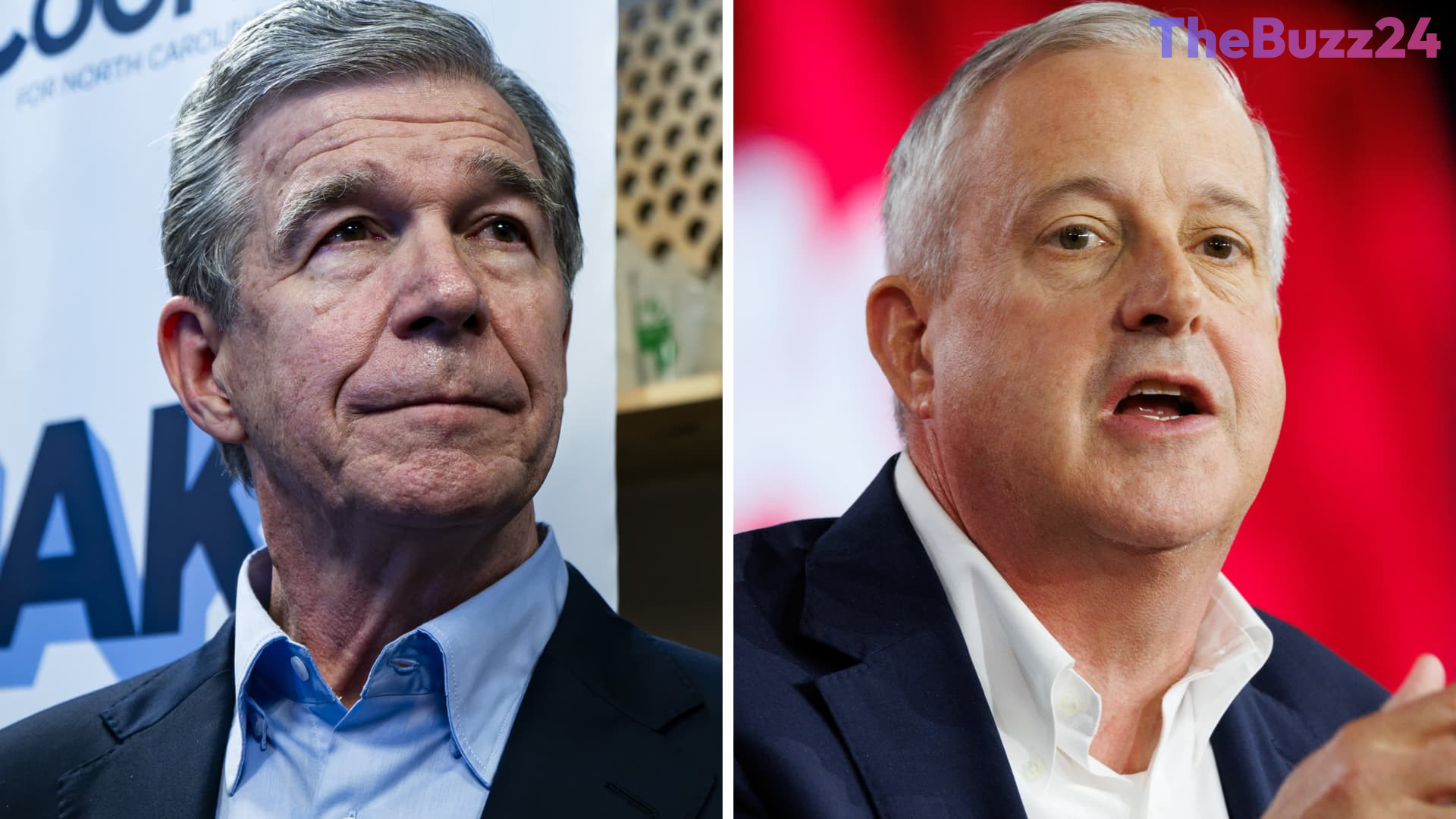
North Carolina Senate Race Emerges as Pivotal Battleground for Congressional Control
The 2026 Senate race in North Carolina is shaping up to be a defining contest for the future of the U.S. Congress, as Democrats look to former Governor Roy Cooper to flip a long-held Republican seat. The vacancy, created by the departure of Senator Thom Tillis, pits Cooper against Michael Whatley, a former Republican National Committee chair and prominent ally of Donald Trump. This matchup serves as a critical test of whether North Carolina’s unique tradition of split-ticket voting can withstand the intense nationalization of federal elections.
Historically, North Carolina has presented a paradox for political strategists. While the state has consistently elected Democratic governors over the past three presidential cycles, it has simultaneously favored Republican candidates in presidential and Senate contests since 2008. This trend highlights a deep-seated state identity where voters often distinguish between local leadership—focused on schools, infrastructure, and state-level governance—and the national agenda associated with Washington, D.C. Experts suggest that while Cooper possesses a strong statewide brand and a unique ability to connect with rural voters, the Senate race will inevitably be framed by Republicans as a referendum on national party control.
Demographic shifts continue to reshape the state, with rapid growth in urban centers like Raleigh, Charlotte, and the Research Triangle bolstering Democratic support. However, these gains are frequently offset by the state’s significant rural population, which remains a stronghold for conservative voters. As both parties mobilize for 2026, the outcome will likely hinge on whether Democrats can mitigate losses in rural areas and whether the electorate prioritizes Cooper’s local track record over the broader implications of shifting the balance of power in the Senate.
Key Takeaways
- The 2026 North Carolina Senate race between Roy Cooper and Michael Whatley is a high-stakes battle that could determine which party controls the U.S. Senate.
- North Carolina is known for a 'split-ticket' voting tradition, where voters often support Democratic governors while favoring Republicans in federal elections.
- The outcome will depend on whether Cooper’s rural appeal can overcome the nationalization of the race, which Republicans are framing as a choice about national party control.
Editor’s Analysis & Impact
The North Carolina Senate race represents a microcosm of the broader struggle for American political dominance. The state’s demographic evolution—characterized by an influx of college-educated suburbanites—is colliding with a deeply entrenched rural conservative base, creating one of the most volatile electoral environments in the country. From a market and industry perspective, the uncertainty surrounding this seat creates a ‘wait-and-see’ atmosphere for policy-sensitive sectors, as the legislative agenda for the next Congress remains entirely dependent on the outcome. If Democrats succeed, it would signal a successful pivot in their strategy to localize federal races; if they fail, it reinforces the narrative that national party branding is currently too toxic to overcome, even for popular state-level figures. The future outlook suggests that North Carolina will remain a permanent battleground, forcing both parties to invest heavily in ground-level organizing rather than relying solely on national messaging.
Frequently Asked Questions
Q: Why is the North Carolina Senate race considered so important for 2026?
A: The race is critical because it is one of the few opportunities for Democrats to flip a Republican-held seat, which could ultimately decide which party holds the majority in the U.S. Senate.
Q: What is the 'split-ticket' tradition in North Carolina?
A: It refers to the state's tendency to elect Democratic governors while simultaneously voting for Republican candidates in presidential and U.S. Senate elections, reflecting a distinction voters make between state-level competence and national political agendas.
AI Disclosure: This article is based on verified data and official reports. Our Team and AI have cross-referenced every financial detail with primary sources to ensure total accuracy.
More from this Category