WNBA Faces Growing Scrutiny Over Transgender Eligibility Rules as Ex-NBA Players Signal Draft Intentions
A fierce debate surrounding gender eligibility rules has enveloped the WNBA, thrusting North America’s premier women’s basketball league into the national political and cultural spotlight. The controversy gained momentum after Indiana Fever guard Sophie Cunningham publicly advocated for restricting the league’s female category to biological women, sparking widespread public discussion and opposing demonstrations outside game venues. Although no openly transgender athlete has ever competed in the league, the discourse has drawn intense scrutiny toward the WNBA’s official governing policies.
The situation escalated further when former NBA players Enes Kanter Freedom and Royce White publicly declared their intentions to enter the WNBA Draft. Both athletes highlighted the language in the league’s current Collective Bargaining Agreement, which simply states that “only players who are women are eligible to play.” Kanter Freedom argued that the absence of specific medical or biological criteria creates an oversight, stating on social media that he intends to test whether current policies are applied equally, while White similarly cited the ambiguity surrounding self-identification guidelines.
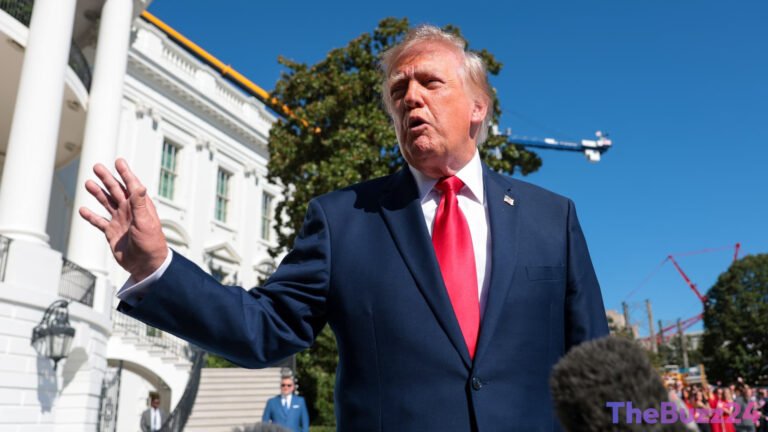
Reactions across the basketball landscape remain deeply divided. Political figures including President Donald Trump and Vice President JD Vance expressed support for Cunningham’s stance. Conversely, several prominent league figures voiced strong commitments to transgender inclusion. Minnesota Lynx head coach Cheryl Reeve and Golden State Valkyries forward Gabby Williams both voiced support for transgender athletes. Meanwhile, the WNBA Players Association issued a statement condemning hate and demonization of the transgender community, calling for respectful dialogue while insisting athletes should not be used as political pawns.
In response to the growing public pressure, WNBA Commissioner Cathy Engelbert issued an internal memorandum to team executives, emphasizing that player eligibility remains a collectively bargained issue that will be addressed thoughtfully in upcoming league meetings. The controversy comes at a time when major international sporting bodies and Olympic organizations are moving toward stricter biological criteria for female categories, leaving the WNBA to navigate complex questions regarding policy modernization, competitive integrity, and player advocacy.
Key Takeaways
- Indiana Fever guard Sophie Cunningham sparked nationwide debate after calling for restrictions on biological males competing in women's sports.
- Former NBA players Enes Kanter Freedom and Royce White announced plans to declare for the WNBA Draft, pointing out vagueness in current eligibility rules.
- WNBA Commissioner Cathy Engelbert confirmed that eligibility guidelines will be discussed in upcoming meetings while adhering to collective bargaining terms.
Editor’s Analysis & Impact
The public debate surrounding the WNBA reflects a crucial turning point for professional women’s sports leagues in North America. Unlike global Olympic federations that have established concrete biological benchmarks for female competition, domestic leagues governed by collective bargaining agreements face unique legal and operational constraints. The decision by former male athletes to test the league’s draft guidelines places immense pressure on executive leadership to establish clear, objective definitions without breaching labor agreements or alienating their player base. As political attention intensifies surrounding women’s athletics, the WNBA’s approach to updating its eligibility rules could establish a regulatory template for other professional sports organizations confronting similar policy gaps.
Frequently Asked Questions
Q: What is the current WNBA policy regarding player eligibility?
A: The WNBA's Collective Bargaining Agreement currently states that 'only players who are women are eligible to play in the WNBA,' without providing additional technical or biological specifications.
Q: Why did former NBA players declare for the WNBA Draft?
A: Enes Kanter Freedom and Royce White stated they intend to enter the draft to highlight what they describe as vague and underspecified eligibility language within the league's current rules.
Q: Has any openly transgender athlete played in the WNBA?
A: No. To date, no openly transgender woman has ever entered or competed in the WNBA.
AI Disclosure: This article is based on verified data and official reports. Our Team and AI have cross-referenced every financial detail with primary sources to ensure total accuracy.
More from this Category