Stalled Diplomacy: Trump Rejects Iran Agreement as Military Options Loom Ahead of Midterms
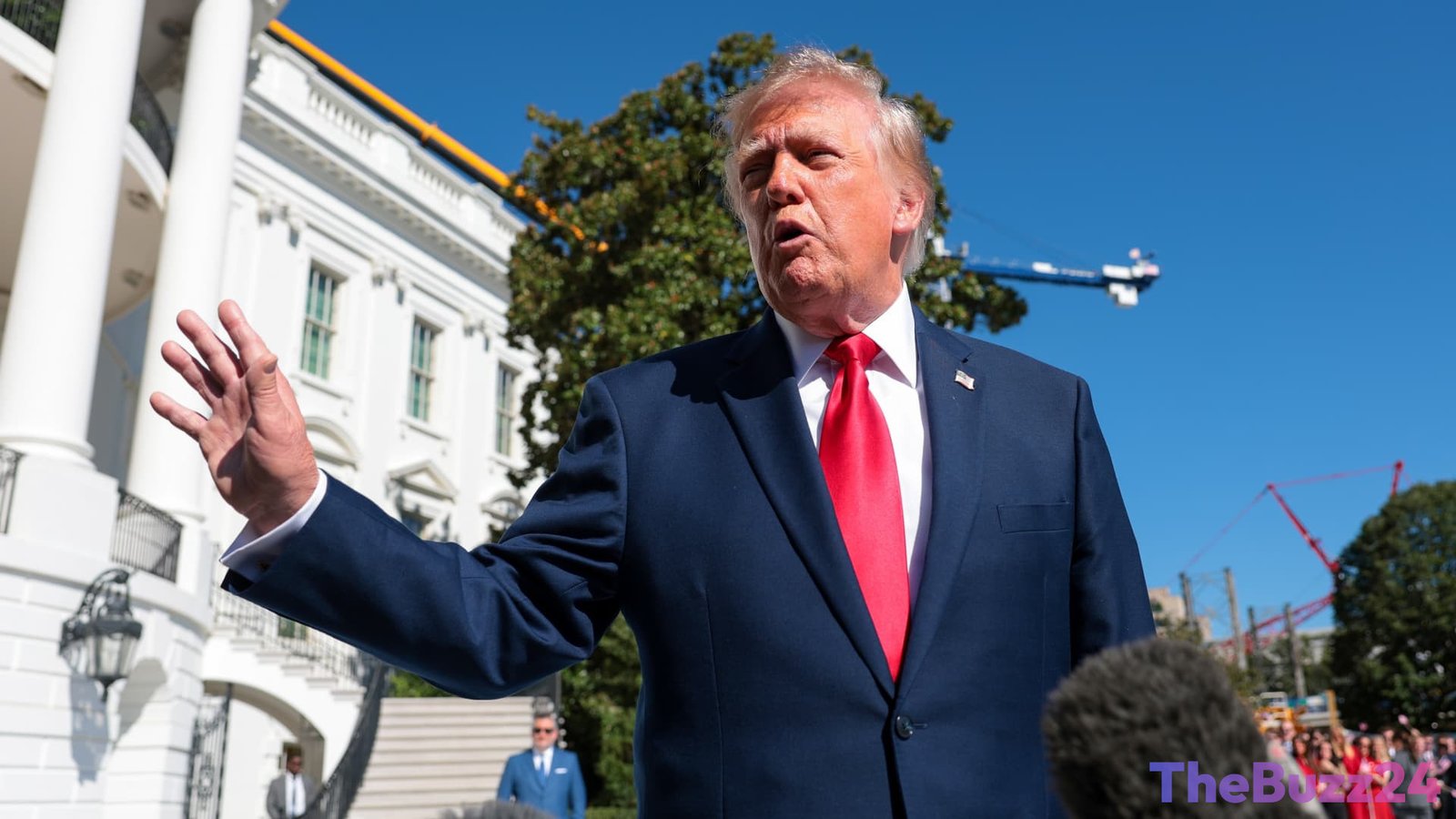
U.S. President Donald Trump has publicly distanced himself from a potential diplomatic agreement with Iran, stating during a campaign rally in San Antonio that he is no longer interested in securing a deal. Despite noting that Iranian negotiators are willing to make significant concessions to halt escalating pressures, Trump expressed skepticism about moving forward. This shift comes even as U.S. Special Envoy to the Middle East, Steve Witkoff, has been actively leading negotiations to resolve the ongoing friction between the two nations.
The diplomatic pivot coincides with reports that the U.S. national security team is actively discussing the resumption of large-scale military operations. Speculation is mounting that Washington may be preparing for targeted airstrikes against Iranian energy, infrastructure, and nuclear facilities. Observers suggest that any potential military action could be timed close to the upcoming midterm elections, a period during which the administration is facing domestic pressure over declining approval ratings driven by high energy costs and inflation.
The breakdown in talks has also highlighted deep communication rifts. Trump recently criticized the negotiation process, claiming that a major obstacle is the lack of clarity regarding who holds decision-making authority within the Iranian government. Iranian officials quickly dismissed these assertions. Esmail Baghaei, spokesperson for Iran’s Foreign Ministry, countered that the primary obstacle is actually the inconsistent and contradictory messaging coming from U.S. leadership.
Meanwhile, global energy markets continue to feel the strain of geopolitical uncertainty. Although crude oil exports from the Gulf region—excluding Iran—have stabilized near pre-conflict levels of approximately 18.5 million barrels per day, oil prices remain stubbornly high. Industry experts note that maritime trade and shipping routes are adapting to the prolonged instability through operational adjustments, signaling that market normalization is no longer dependent on a formal diplomatic breakthrough.
Key Takeaways
- President Trump has rejected a potential deal with Iran, despite claiming that Tehran is willing to offer major concessions to avoid conflict.
- Reports indicate the U.S. military is discussing potential large-scale strikes targeting Iranian infrastructure, energy, and nuclear sites ahead of the midterm elections.
- Despite recovering oil export volumes in the Gulf, global energy prices remain high as markets adapt operationally to ongoing geopolitical tensions.
Editor’s Analysis & Impact
The hardening of the U.S. stance against Iran represents a significant geopolitical pivot that could have profound implications for global energy security and international relations. By walking away from diplomatic channels, the administration is signaling a preference for deterrence and potential military action, which introduces a substantial risk premium into the oil markets. Even though Gulf exports have shown resilience by adapting operationally, the threat of targeted strikes on Iranian energy infrastructure looms large over global supply chains. If military action is realized, we can expect immediate spikes in crude prices, further complicating domestic inflation challenges for the administration. Furthermore, using foreign policy maneuvers to influence domestic midterm elections is a high-stakes gamble that could either rally nationalist support or backfire if energy costs surge further.
Frequently Asked Questions
Q: Why did Donald Trump reject the proposed deal with Iran?
A: Trump stated that he no longer desires a deal, despite claiming that Iran was willing to offer significant concessions. He also cited difficulties in negotiating due to perceived confusion over who is leading the decision-making process in Iran.
Q: What kind of military actions are reportedly being considered?
A: Reports suggest that the U.S. national security team has discussed potential large-scale military operations, which could include targeted strikes on Iranian energy, infrastructure, and nuclear facilities.
Q: How are global oil markets reacting to these developments?
A: Crude oil prices remain elevated due to geopolitical uncertainty. However, regional oil exports (excluding Iran) have stabilized near pre-conflict levels as shipping and logistics networks adapt operationally to the ongoing tensions.
AI Disclosure: This article is based on verified data and official reports. Our Team and AI have cross-referenced every financial detail with primary sources to ensure total accuracy.
More from this Category