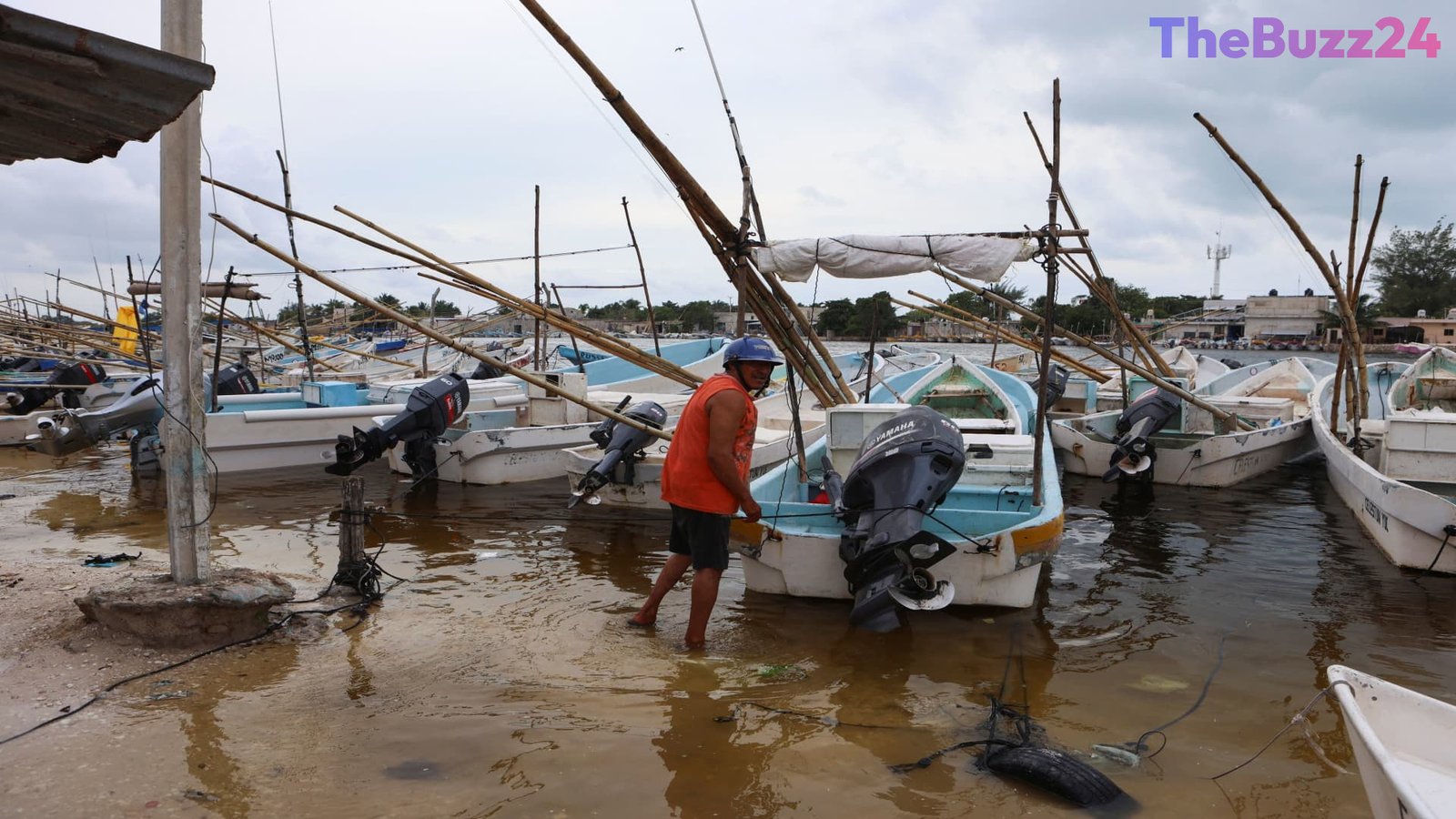
Gulf Coast Braces for Impact as Hurricane Isaias Threatens Florida, Alabama, and Mississippi
The Gulf Coast is on high alert as Hurricane Isaias, the first hurricane of the Atlantic season, intensifies on its path toward Florida, Alabama, and Mississippi. With maximum sustained winds reaching 80 mph, the storm is moving east-northeast and is projected to make landfall late Friday or early Saturday. Forecasters warn of life-threatening storm surges, damaging winds, and torrential rainfall that could trigger severe flooding stretching far inland into the Tennessee Valley.
In response to the looming threat, local authorities have initiated mandatory evacuations in vulnerable coastal areas, including parts of Florida’s Okaloosa County. Governors Ron DeSantis of Florida and Kay Ivey of Alabama have declared states of emergency for dozens of counties, mobilizing emergency response teams and pre-positioning utility crews to address anticipated long-duration power outages. Schools and government offices across the region have suspended operations as residents rush to secure their properties with sandbags and emergency supplies.
Interestingly, Isaias represents an unusually late start to the Atlantic hurricane season, falling just one day short of a 121-year-old record for the latest-forming first hurricane, set back in 1905. Climatologists attribute this delayed activity to a strong El Niño pattern, which has suppressed storm development in the Atlantic while boosting activity in the Pacific. Despite the late start, residents remain highly vigilant, acutely aware of the devastating history of past Gulf storms like Hurricanes Camille, Katrina, and Michael.
Beyond the immediate safety concerns, the storm has already triggered significant economic disruptions. Energy companies have preemptively shut down approximately 25% of offshore oil production in the Gulf of Mexico, temporarily removing over 511,000 barrels of crude oil per day from the market and evacuating multiple manned platforms. Additionally, the storm threatens to disrupt major regional events, including a highly anticipated college football matchup between Alabama and Georgia, which President Donald Trump is scheduled to attend.
Key Takeaways
- Hurricane Isaias is projected to make landfall along the northern Gulf Coast late Friday or early Saturday, bringing winds of 80 mph and storm surges up to 7 feet.
- States of emergency have been declared in Florida and Alabama, prompting mandatory evacuations, school closures, and extensive local emergency preparations.
- The storm has forced the shutdown of 25% of Gulf of Mexico oil production, halting over 511,000 barrels of daily crude output.
Editor’s Analysis & Impact
The sudden intensification of Hurricane Isaias highlights the persistent vulnerability of the U.S. energy and agricultural sectors to extreme weather events. By shutting down a quarter of the Gulf of Mexico’s offshore oil production, the storm has immediately tightened domestic crude supplies, potentially putting upward pressure on already volatile global energy prices. Furthermore, the late onset of this year’s hurricane season—driven by El Niño—serves as a critical case study for meteorologists analyzing how global climate patterns shift storm frequency and intensity. For businesses and insurers, the rapid transition from a quiet season to a major threat underscores the necessity of robust contingency planning. The economic ripple effects will likely be felt far beyond the immediate coastal damage, impacting regional tourism, energy markets, and local supply chains well into the autumn months.
Frequently Asked Questions
Q: Why did Hurricane Isaias form so late in the season?
A: The delayed start to the Atlantic hurricane season is primarily attributed to a strong El Niño weather pattern, which creates atmospheric conditions that disrupt and suppress storm formation over the Atlantic Ocean.
Q: What areas are expected to be hardest hit by the storm?
A: The Florida Panhandle, southern Alabama, and southern Mississippi are projected to experience the most direct impacts, including dangerous storm surges, high winds, and heavy rainfall, with flooding risks extending inland.
Q: How has the storm impacted the energy sector?
A: Ahead of landfall, energy producers evacuated several manned platforms and shut down approximately 25% of offshore oil production in the Gulf of Mexico, temporarily cutting off about 511,000 barrels of crude oil per day.
AI Disclosure: This article is based on verified data and official reports. Our Team and AI have cross-referenced every financial detail with primary sources to ensure total accuracy.
More from this Category