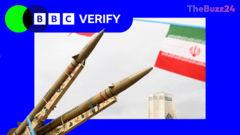
Analyzing the New US-Iran Memorandum: A Shift in Geopolitical Strategy
A formal Memorandum of Understanding (MoU) has been signed between the United States and Iran, marking a significant pivot in the conflict that escalated following military engagements on February 28. The 14-point agreement serves as a framework for upcoming negotiations, aiming to address nuclear proliferation, economic sanctions, and the security of the Strait of Hormuz. This development represents a departure from previous diplomatic efforts, most notably the 2015 nuclear accord, by prioritizing immediate economic relief and maritime stabilization over long-term technical constraints.
Under the terms of the new agreement, the United States has committed to a phased termination of sanctions, with immediate waivers granted for the export of Iranian crude oil, petroleum products, and associated financial services. Furthermore, the MoU outlines a reconstruction plan backed by at least $300 billion in funding from the US and regional partners. While the document includes a reaffirmation from Iran that it will not pursue nuclear weapons, critics have pointed to a lack of specific, enforceable mechanisms regarding the destruction of existing enriched uranium stockpiles or the regulation of ballistic missile development, both of which were central points of contention in previous diplomatic frameworks.
The agreement also addresses the critical issue of maritime transit through the Strait of Hormuz, which saw a dramatic decline in commercial traffic following the onset of the conflict. The US has agreed to lift its naval blockade within 30 days, while Iran has pledged to facilitate safe passage for commercial vessels for a 60-day period. However, the long-term administration of the strait remains subject to future dialogue, with Iran signaling plans to implement service fees for vessels using the waterway. This shift suggests a potential realignment of regional influence, as the current framework provides Iran with immediate economic breathing room while leaving several security and technical questions to be resolved in subsequent rounds of talks.
Key Takeaways
- The new MoU provides immediate sanctions relief, allowing Iran to resume oil exports and access international financial services.
- The agreement establishes a framework for future negotiations on nuclear enrichment and regional reconstruction, backed by a $300 billion fund.
- Maritime transit through the Strait of Hormuz is set to resume as the US lifts its naval blockade, though Iran intends to introduce service fees for commercial vessels.
Editor’s Analysis & Impact
The signing of this Memorandum of Understanding signals a pragmatic, albeit controversial, shift in US foreign policy toward Iran. By prioritizing immediate economic stabilization and the reopening of critical maritime trade routes, the administration is clearly attempting to de-escalate a conflict that threatened global energy markets. However, the lack of granular detail regarding nuclear enrichment and ballistic missile capabilities creates significant uncertainty for regional security. The market impact is likely to be immediate, particularly in energy sectors, as Iranian oil returns to the global supply chain. The long-term success of this deal hinges on the upcoming 60-day negotiation window; if the parties fail to establish a robust, verifiable framework for nuclear oversight and maritime governance, the current stability may prove to be merely a temporary reprieve rather than a lasting resolution.
Frequently Asked Questions
Q: How does this deal differ from the 2015 JCPOA?
A: The 2015 JCPOA was a comprehensive, multi-year negotiated agreement with specific technical limits on nuclear enrichment. The current MoU is a 60-day framework intended to facilitate immediate economic relief and set the stage for future talks, lacking the detailed enforcement mechanisms of the previous accord.
Q: What happens to the Strait of Hormuz under the new agreement?
A: The US has agreed to end its naval blockade within 30 days. Iran has committed to ensuring safe passage for commercial vessels for 60 days, after which it plans to engage in dialogue regarding the future administration of the strait, including the potential implementation of service fees for transit.
AI Disclosure: This article is based on verified data and official reports. Our Team and AI have cross-referenced every financial detail with primary sources to ensure total accuracy.
More from this Category