Rivian Faces Class-Action Lawsuit Over Alleged Misleading Self-Driving Claims
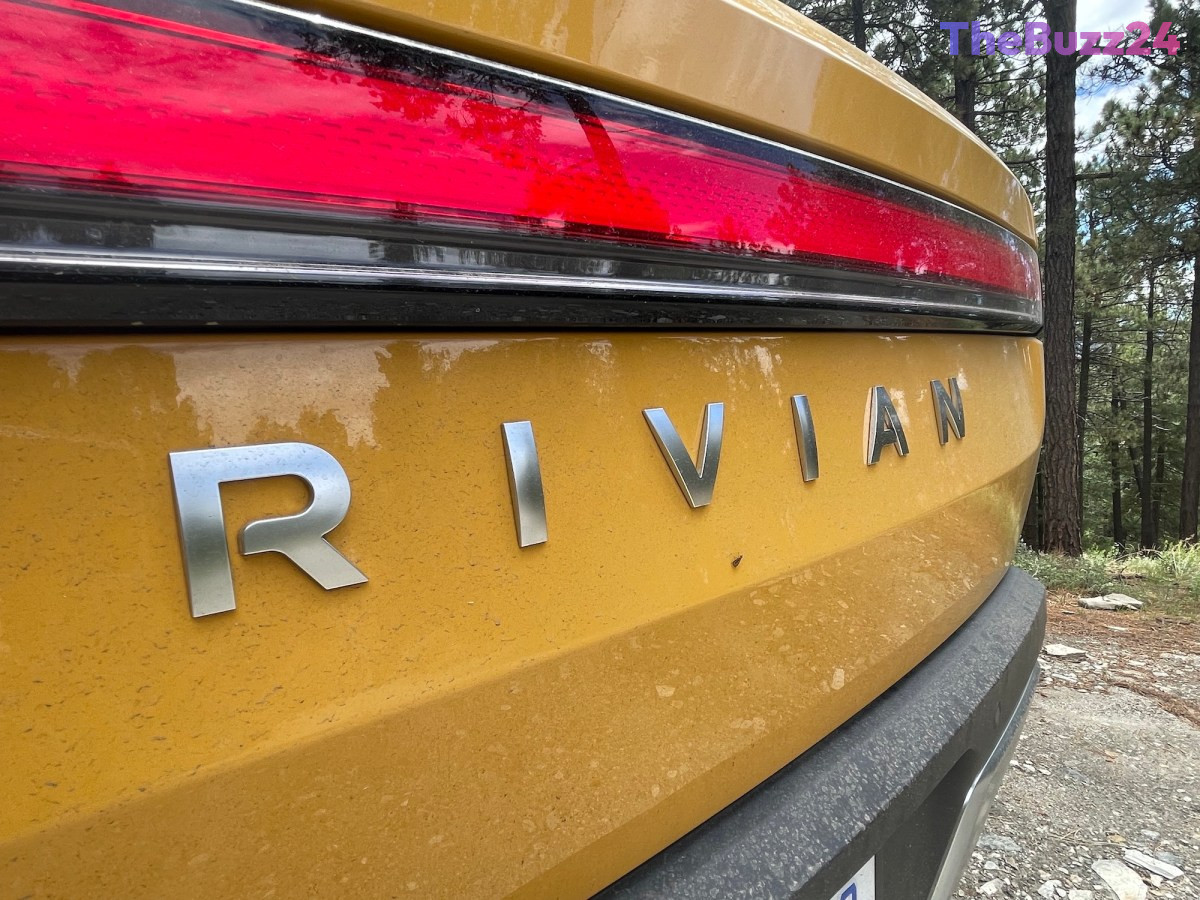
Rivian is facing a new class-action lawsuit alleging that the electric vehicle manufacturer misled consumers regarding the autonomous driving capabilities of its first-generation R1T and R1S models. The complaint, filed in the U.S. District Court for the Central District of California, asserts that the company marketed these flagship vehicles as being capable of Level 3 autonomy—a standard that would allow for hands-free and eyes-off driving under specific conditions.
The plaintiffs argue that Rivian engaged in a multi-year, nationwide marketing campaign that falsely promised these advanced features would be standard in its early vehicles. According to the lawsuit, the company allegedly knew that the hardware in the first-generation models was fundamentally incapable of achieving true hands-free operation, regardless of future software updates. The legal action includes claims of fraud, negligent misrepresentation, and unjust enrichment, with the plaintiffs seeking a jury trial to address the alleged deception.
While Rivian has declined to comment on the ongoing litigation, the case highlights a growing tension between automotive manufacturers and consumers regarding the marketing of driver-assistance technology. The company has since introduced a second-generation R1 platform, which features a significantly upgraded sensor stack and computing power, enabling hands-free capabilities that were absent in the original models. This lawsuit follows a pattern of similar legal challenges across the automotive industry, as regulators and consumers alike scrutinize the gap between marketing promises and the actual performance of driver-assistance systems.
Key Takeaways
- Rivian is being sued in a class-action lawsuit for allegedly misrepresenting the autonomous driving capabilities of its first-generation R1T and R1S vehicles.
- Plaintiffs claim the company marketed 'Level 3' hands-free driving features that the original hardware was never capable of supporting.
- The lawsuit follows previous industry-wide scrutiny regarding how automakers market advanced driver-assistance systems to the public.
Editor’s Analysis & Impact
The lawsuit against Rivian underscores a critical inflection point in the automotive industry: the ‘marketing vs. reality’ gap in autonomous vehicle technology. As manufacturers race to differentiate their products, the use of ambitious terminology like ‘hands-free’ or ‘full self-driving’ has created significant legal and reputational risks. For Rivian, this litigation threatens to tarnish the brand’s reputation for transparency, which is vital for a company competing in a crowded EV market. Looking ahead, we expect to see stricter regulatory oversight regarding how these features are advertised. If the plaintiffs succeed, it could set a legal precedent that forces automakers to adopt more conservative, technically precise language in their marketing materials, potentially slowing the adoption of advanced driver-assistance systems as companies prioritize legal compliance over aggressive feature promotion.
Frequently Asked Questions
Q: Does the lawsuit affect all Rivian vehicles?
A: No, the lawsuit specifically targets the first-generation R1T and R1S models. Rivian's second-generation vehicles, released in 2024, feature updated hardware and software that support hands-free driving.
Q: What is Level 3 autonomy?
A: Level 3 autonomy, as defined by the Society of Automotive Engineers, allows a vehicle to handle steering, acceleration, and braking without the driver's hands on the wheel or eyes on the road under specific conditions, though the driver must remain ready to take control if prompted.
AI Disclosure: This article is based on verified data and official reports. Our Team and AI have cross-referenced every financial detail with primary sources to ensure total accuracy.
More from this Category