US Lifts Naval Blockade as Iran’s Leader Approves Deal Amidst Tensions
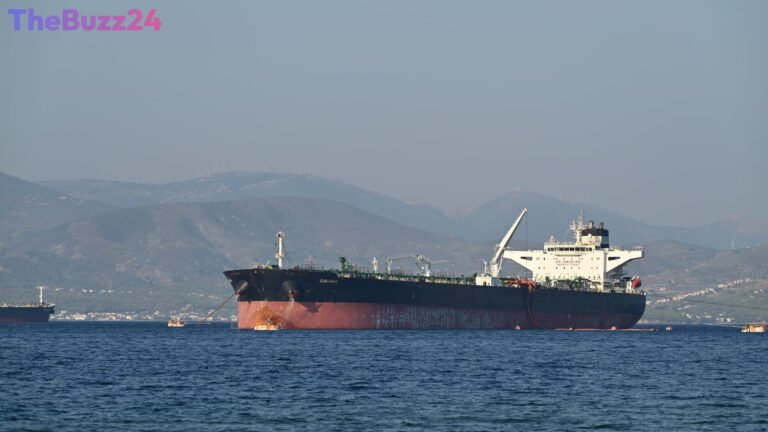
The United States has officially ended its naval blockade in the region, a move confirmed by US Central Command as being “in accordance with the President’s direction.” While some US naval assets will remain in the vicinity, the cessation of the blockade marks a significant development in the ongoing diplomatic efforts.
Shortly after the announcement, Iran’s Supreme Leader Mojtaba Khamenei publicly stated his approval of the agreement with the US, despite harboring reservations. He indicated that he sanctioned the deal based on assurances from Iranian President Masoud Pezeshkian regarding the protection of the nation’s rights. Khamenei characterized the agreement as a result of President Trump’s “desperation,” suggesting that various forms of leverage were employed to reach this accord. He also alluded to future “in-person negotiations” between Tehran and Washington, emphasizing that this would not signify an acceptance of the opposing side’s stance.
This marks the first public response from Khamenei since assuming leadership following the death of his predecessor. The deal itself, centered around 14 key points, includes provisions for the reopening of the Strait of Hormuz, a commitment from Iran to forgo nuclear weapons, and the establishment of a $300 billion fund for the country’s reconstruction and economic development, though US contributions are not mandated. Both parties are bound to finalize a comprehensive agreement within a 60-day timeframe, with the possibility of mutual extension.
The agreement has not been without its critics. Some US Republicans have voiced strong opposition, particularly concerning the reconstruction fund for Iran. Senator Bill Cassidy labeled the deal a “worst foreign policy blunder in decades,” arguing that it fails to curb Iran’s nuclear ambitions and emboldens threats to the Strait of Hormuz. However, Vice President JD Vance defended the agreement, asserting that Iran will only receive benefits if it fulfills its obligations, including the destruction of enriched uranium stockpiles and ceasing support for regional proxy groups. Vance also urged Israeli officials to acknowledge the geopolitical realities and maintain their crucial alliance with the US.
Key Takeaways
- The US has lifted its naval blockade, signaling a de-escalation in regional tensions.
- Iran's Supreme Leader has approved a deal with the US, despite expressing reservations and criticizing the US President's approach.
- The agreement includes provisions for the Strait of Hormuz, Iran's nuclear program, and a reconstruction fund, but faces criticism from some US political factions.
Editor’s Analysis & Impact
The lifting of the US naval blockade and the subsequent approval of a deal by Iran’s Supreme Leader represent a significant, albeit fragile, diplomatic breakthrough. The agreement, which addresses critical geopolitical flashpoints like the Strait of Hormuz and Iran’s nuclear program, attempts to chart a path towards de-escalation. However, internal dissent within the US, particularly from Republican quarters, highlights the political complexities and potential for future challenges. The inclusion of a reconstruction fund for Iran, even without direct US financial commitment, remains a contentious point. The success of this Memorandum of Understanding will hinge on the adherence to its 60-day timeline and the ability of both nations to navigate the deeply entrenched mistrust and regional rivalries, particularly concerning Israel’s security concerns.
Frequently Asked Questions
Q: What are the main points of the US-Iran deal?
A: The deal centers around 14 core points, including the reopening of the Strait of Hormuz, a commitment from Iran to never possess nuclear weapons, and the establishment of a $300 billion fund for Iran's reconstruction and economic development. Both sides are expected to reach a final agreement within 60 days.
Q: Who are the main critics of the deal within the US?
A: Some Republican figures, including Senator Bill Cassidy, have strongly criticized the deal, particularly the provision for a reconstruction fund for Iran. They argue it does not sufficiently curb Iran's nuclear ambitions or regional influence.
Q: What is Iran's Supreme Leader's stance on the deal?
A: Iran's Supreme Leader, Mojtaba Khamenei, has approved the deal, stating he did so based on assurances from President Pezeshkian regarding national rights. However, he also characterized President Trump's actions as "desperate" and indicated that future negotiations would not mean accepting the "enemy's position."
AI Disclosure: This article is based on verified data and official reports. Our Team and AI have cross-referenced every financial detail with primary sources to ensure total accuracy.
More from this Category