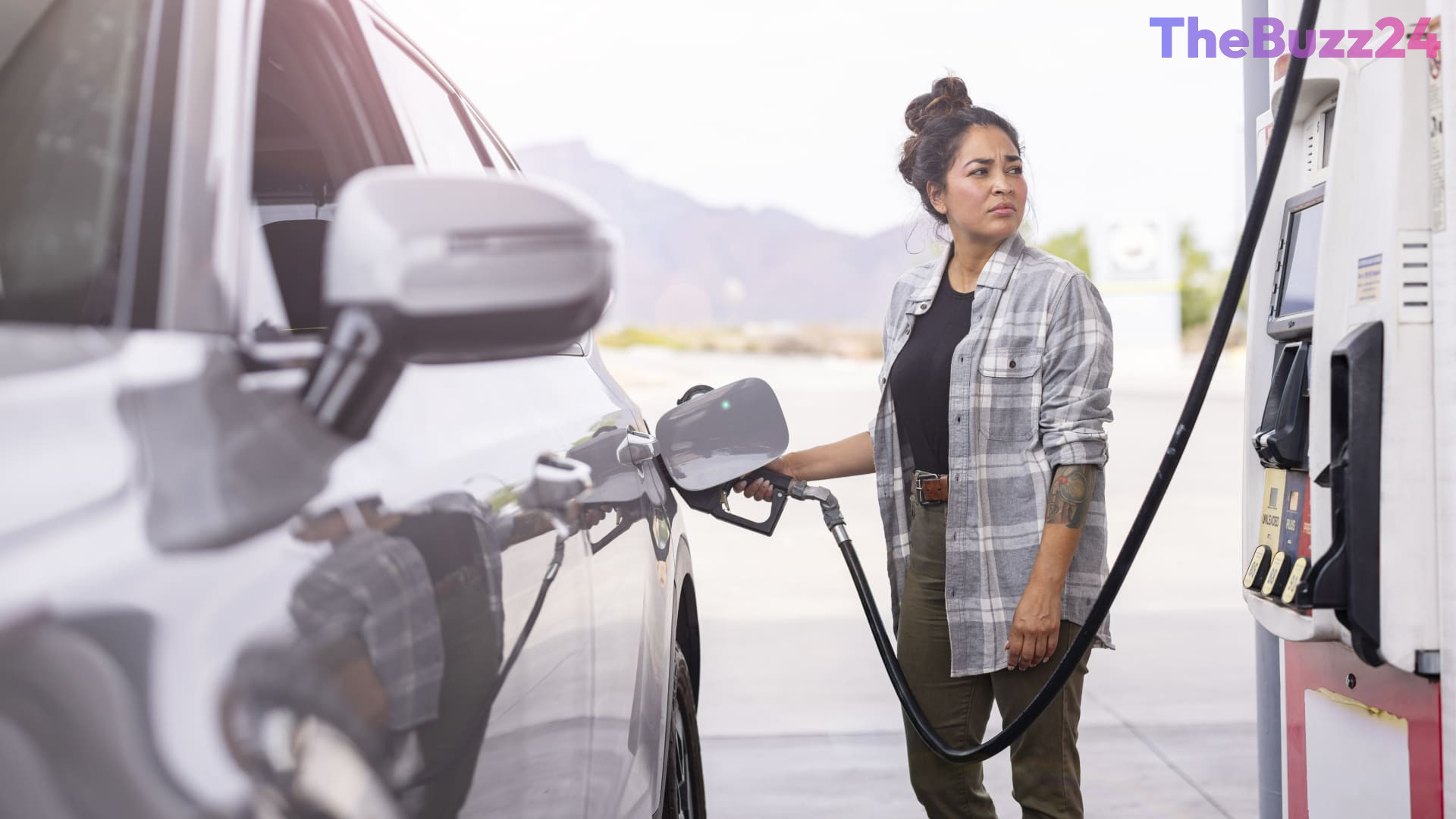
Navigating High Fuel Costs: Strategies to Offset Elevated Gas Prices
After months of sustained pressure at the pump, consumers are beginning to see a slight reprieve in gasoline prices. Following a peak of $4.56 per gallon in late May—driven largely by geopolitical instability and supply chain disruptions—the national average has begun to trend downward, settling near $3.99 per gallon. While this decline is a welcome development for motorists, experts caution that a return to pre-conflict price levels remains unlikely in the immediate future.
The volatility in the energy market is expected to persist as global supply chains undergo a slow recovery process. Industry analysts suggest that while prices may continue to soften, reaching pre-conflict averages will require significant time and stability. Furthermore, seasonal factors, such as the upcoming hurricane season, present potential risks to global oil inventories, which could lead to renewed price fluctuations throughout the summer months.
Despite the uncertainty surrounding long-term fuel costs, consumers can take proactive steps to mitigate their personal expenses. Leveraging existing retail memberships, utilizing wholesale club fuel stations, and strategically selecting credit cards that offer cash-back rewards on gas purchases are among the most effective ways to reduce the financial burden of commuting and travel. By optimizing these financial tools, drivers can effectively lower their net cost per gallon regardless of broader market trends.
Key Takeaways
- Gas prices are trending downward from their May peak but are unlikely to return to pre-conflict levels quickly due to ongoing supply chain recovery.
- Seasonal factors like hurricane season remain a 'wildcard' that could impact global oil inventories and keep prices volatile through the summer.
- Consumers can offset high fuel costs by utilizing retail membership discounts, shopping at wholesale clubs, and using credit cards with specific gas-station rewards.
Editor’s Analysis & Impact
The current energy landscape reflects a delicate balance between geopolitical de-escalation and structural supply constraints. While the easing of tensions in critical shipping routes provides immediate relief, the energy sector remains vulnerable to ‘black swan’ events, such as extreme weather or further supply chain bottlenecks. From a market perspective, the reliance on credit card rewards and retail memberships to combat inflation highlights a shift in consumer behavior, where households are increasingly forced to ‘hack’ their expenses to maintain purchasing power. Looking ahead, the industry will likely face continued pressure to restore global inventories. Until production capacity fully stabilizes, consumers should expect a ‘new normal’ of elevated fuel costs, making financial literacy and the strategic use of rewards programs essential tools for personal budget management.
Frequently Asked Questions
Q: Why are gas prices still high despite recent decreases?
A: While prices have dipped from their peak, the global oil industry is still working to rebuild supply chains and restore inventories that were depleted during months of conflict and disruption.
Q: What is the best way to save money on gas right now?
A: The most effective strategies include utilizing fuel discounts offered by retail memberships (like Walmart+ or Amazon Prime), filling up at wholesale clubs (like Costco or Sam's Club), and using credit cards that provide high cash-back percentages specifically for gas station purchases.
AI Disclosure: This article is based on verified data and official reports. Our Team and AI have cross-referenced every financial detail with primary sources to ensure total accuracy.
More from this Category