Escalation Fears Rise as Ukraine Launches Record Drone Assault on Moscow
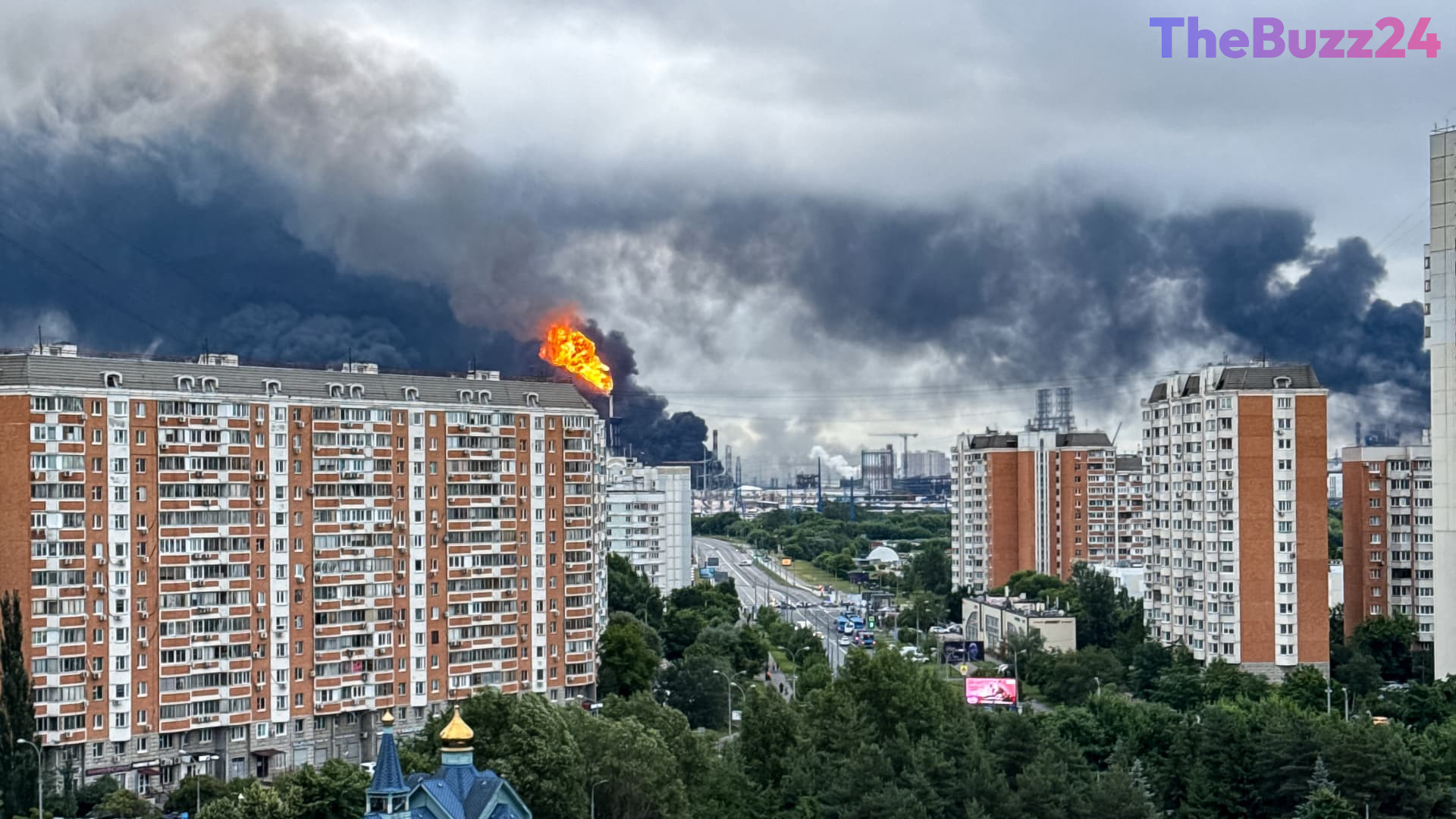
Tensions between Moscow and Kyiv have reached a new peak following what is being described as the largest drone offensive ever launched against the Russian capital. The coordinated aerial assault, which involved nearly 200 drones, targeted critical infrastructure, including a major oil refinery on the outskirts of Moscow. The strike resulted in significant damage, with thick plumes of black smoke rising from the Gazprom-operated facility, and forced the temporary suspension of operations at four major airports serving the city.
In the wake of the attack, Russian officials have vowed to retaliate with a series of ‘massive group strikes’ aimed at degrading Ukraine’s military capabilities. Russian Foreign Minister Sergei Lavrov stated that these operations would become a regular occurrence, targeting facilities that directly support the Ukrainian Armed Forces’ combat readiness. The incident has sparked intense debate among military analysts regarding the efficacy of Russian air defense systems, which appear increasingly vulnerable to large-scale, long-range drone incursions.
Ukrainian President Volodymyr Zelenskyy defended the operation as a necessary response to ongoing Russian aggression against Ukrainian cities and civilian infrastructure. He framed the strikes as a strategic effort to dismantle the machinery sustaining the conflict. As the war continues to intensify, the diplomatic landscape remains fluid, with international leaders, including U.S. President Donald Trump, calling for a negotiated end to the hostilities. Despite these calls for diplomacy, both sides remain locked in a cycle of retaliatory strikes that continue to threaten regional stability.
Key Takeaways
- Ukraine executed its largest-ever drone attack on Moscow, involving nearly 200 drones and targeting a key oil refinery.
- Russia has pledged to respond with regular, massive strikes against Ukrainian military-industrial targets.
- The attack has exposed potential gaps in Russian air defense capabilities and increased pressure for a diplomatic resolution to the conflict.
Editor’s Analysis & Impact
The recent escalation marks a significant shift in the tactical landscape of the conflict, moving the theater of war deeper into Russian territory. By targeting critical energy infrastructure, Ukraine is attempting to exert economic pressure on the Kremlin while simultaneously testing the limits of Russian air defense systems. The vulnerability of Moscow’s airspace to such a large-scale drone swarm creates a domestic political dilemma for the Russian government, which must balance the need for a strong military response with the optics of failing to protect its capital. Looking ahead, the frequency of these long-range strikes suggests that the war is entering a more volatile phase. The potential for further escalation remains high, as both nations appear to be using these strikes as leverage to shape the narrative ahead of any future diplomatic negotiations.
Frequently Asked Questions
Q: What was the primary target of the recent drone attack on Moscow?
A: The primary target was a major oil refinery located on the south-eastern outskirts of Moscow, operated by Gazprom.
Q: How has the Russian government responded to the drone strikes?
A: The Russian government has pledged to conduct regular and 'massive group strikes' against targets in Ukraine that affect the combat readiness of the Ukrainian Armed Forces.
AI Disclosure: This article is based on verified data and official reports. Our Team and AI have cross-referenced every financial detail with primary sources to ensure total accuracy.
More from this Category