The Strategic Paradox: Does the US Government’s Ban on Anthropic Models Actually Boost Brand Value?
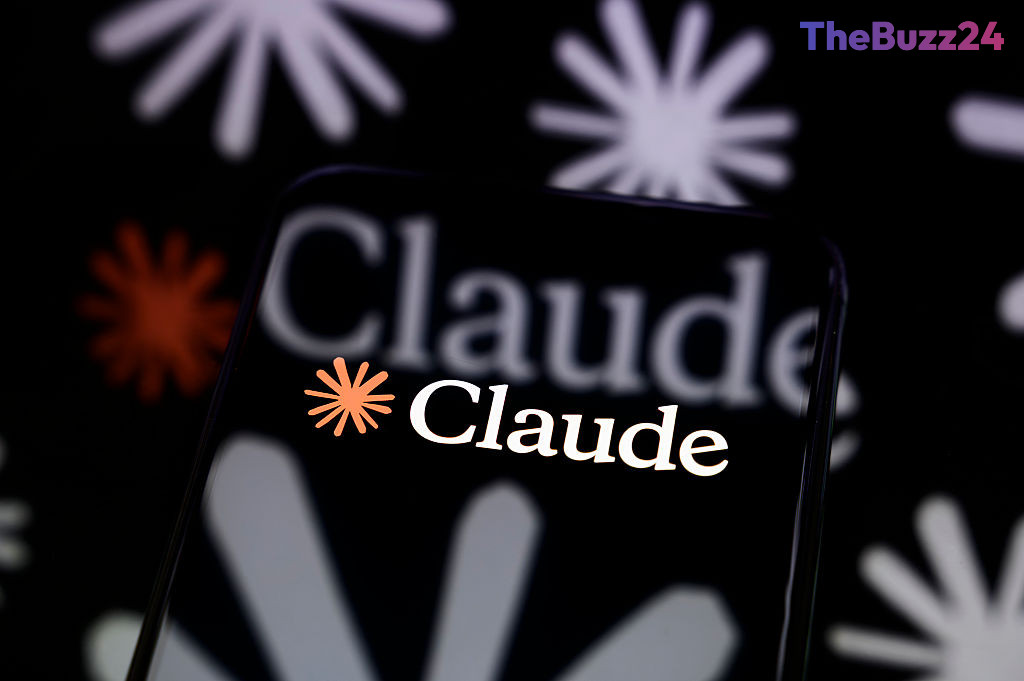
The artificial intelligence landscape faces a significant disruption following a recent directive from the US government requiring Anthropic to withdraw its latest models, Fable 5 and Mythos 5. The decision stems from national security concerns, specifically triggered by Amazon researchers who reportedly discovered methods to circumvent the safety guardrails embedded within Fable 5. This regulatory intervention has sparked a heated debate regarding the efficacy of current AI oversight and the potential for government overreach.
In response to the mandate, a coalition of prominent cybersecurity experts has issued an open letter characterizing the government’s move as counterproductive and potentially dangerous. Anthropic has defended its technology, noting that the identified vulnerabilities are not unique to its platform but are systemic issues prevalent across various large language models currently on the market. This discrepancy has led many industry observers to question whether the ban is a legitimate security measure or a symptom of the increasingly strained relationship between the current administration and leading AI developers.
For developers and stakeholders, the ban creates a climate of uncertainty, particularly for those heavily invested in the Anthropic ecosystem. However, some analysts suggest that the high-profile nature of the government’s scrutiny may inadvertently bolster Anthropic’s reputation. By positioning the company as a central player in the national security conversation, the ban could paradoxically signal to the market that Anthropic’s technology is powerful enough to warrant such extreme regulatory attention, potentially increasing its perceived value ahead of future financial milestones.
Key Takeaways
- The US government has ordered the withdrawal of Anthropic's Fable 5 and Mythos 5 models due to alleged security bypasses.
- Cybersecurity experts argue that the ban is misguided, noting that the identified vulnerabilities are common across the broader AI industry.
- The regulatory action has sparked speculation that the increased scrutiny may unintentionally enhance Anthropic's market profile and brand relevance.
Editor’s Analysis & Impact
The regulatory action against Anthropic highlights the growing friction between rapid AI innovation and the government’s mandate for national security. By singling out specific models, the administration is attempting to establish a precedent for AI export and safety controls, yet the move risks stifling domestic competitiveness. From a market perspective, this ‘Streisand Effect’—where the attempt to suppress information or technology draws more attention to it—could prove beneficial for Anthropic. If the company successfully navigates these compliance hurdles, it will likely emerge with a stronger ‘security-first’ narrative, which is increasingly attractive to enterprise clients. However, the broader implication is a chilling effect on the developer community, who may now view building on proprietary models as a high-risk endeavor subject to sudden, politically motivated regulatory shifts.
Frequently Asked Questions
Q: Why were Anthropic's Fable 5 and Mythos 5 models banned?
A: The US government ordered the withdrawal citing national security concerns after researchers discovered ways to bypass the models' safety guardrails.
Q: Does this ban only affect Anthropic's technology?
A: No. Anthropic and various cybersecurity experts have pointed out that the vulnerabilities identified in these models are systemic and exist in many other AI models currently available.
AI Disclosure: This article is based on verified data and official reports. Our Team and AI have cross-referenced every financial detail with primary sources to ensure total accuracy.
More from this Category