Japan’s Ride-Hailing Giant Go Targets Robotaxis and Acquisitions Following Landmark $553 Million IPO
Japanese ride-hailing leader Go has successfully completed the country’s largest initial public offering (IPO) of the year, raising ¥88.6 billion ($553 million). The newly public company plans to deploy this capital to tackle a critical challenge threatening Japan’s transportation sector: a severe shortage of taxi drivers. By investing heavily in autonomous vehicle technology and strategic mergers and acquisitions, Go aims to future-proof its operations and expand its footprint both domestically and internationally.
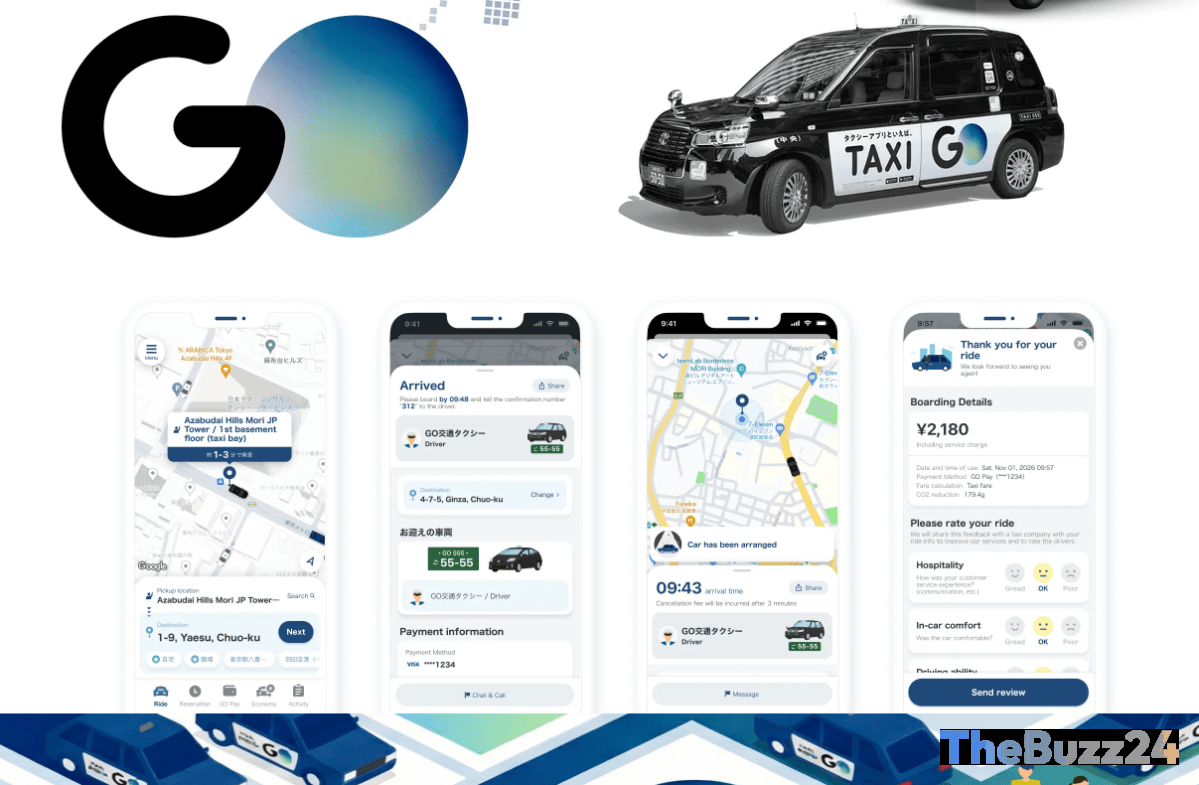
The driver shortage in Japan has reached critical levels, with the number of active taxi drivers dropping by approximately 20% in recent years due to an aging population. Although the Japanese government introduced limited ride-sharing regulations in 2024, strict requirements—such as forcing drivers to be employed directly by existing taxi firms—have failed to alleviate the labor deficit. Go, which commands an 80% share of Japan’s taxi app market by usage time and boasts 35 million downloads, views autonomous “robotaxis” as the ultimate solution to this demographic bottleneck.
To realize its autonomous driving ambitions, Go has partnered with Alphabet’s self-driving subsidiary, Waymo, and major Japanese taxi operator Nihon Kotsu. While Go does not plan to develop its own autonomous driving software, it will coordinate the deployment of these technologies. In the interim, the company is bolstering its traditional business by integrating international payment and ride-booking systems like Kakao T, Alipay, and WeChat Pay to cater to foreign tourists.
Go is not alone in the race to dominate Tokyo’s future autonomous transport market. Competitors are rapidly moving into the space, with Uber, Wayve, and Nissan announcing plans to pilot robotaxi services in Tokyo by late 2026. Additionally, rival platforms like S.Ride and Didi Mobility Japan are expanding their services for international travelers, setting the stage for an intense battle over the future of urban mobility in Japan.
Key Takeaways
- Go raised $553 million in Japan's largest IPO of the year, targeting robotaxi development and strategic acquisitions.
- Japan's taxi industry faces a severe 20% decline in drivers, driven by an aging demographic that limited ride-sharing reforms have failed to fix.
- Go has partnered with Waymo and Nihon Kotsu to deploy autonomous vehicles, while competitors like Uber and Nissan plan their own Tokyo robotaxi pilots by 2026.
Editor’s Analysis & Impact
Go’s landmark IPO represents a pivotal moment for Japan’s technology and transportation sectors. By securing backing from global heavyweights like BlackRock and Wellington Management, Go has demonstrated that international investors remain highly interested in Japanese innovation, despite a sluggish domestic listing environment. The company’s pivot toward robotaxis is not just a technological play, but a demographic necessity. Japan’s rapidly aging population serves as a test case for how advanced economies can use automation to solve severe labor shortages. However, Go faces stiff competition from global giants like Uber and local joint ventures. The success of Go’s strategy will depend on navigating Japan’s strict regulatory framework for autonomous driving and successfully integrating foreign partnerships. If executed well, Go could set the global standard for transitioning traditional transit networks into autonomous ecosystems.
Frequently Asked Questions
Q: Why is Go focusing on robotaxis instead of hiring more drivers?
A: Japan is facing a severe demographic crisis with an aging population, which has led to a 20% decline in taxi drivers. Traditional recruitment and limited ride-sharing reforms have failed to solve this shortage, making autonomous robotaxis a necessary long-term solution.
Q: Who are Go's main partners in the autonomous vehicle space?
A: Go has partnered with Waymo (Alphabet's self-driving unit) and Nihon Kotsu, one of Japan's largest taxi operators, to coordinate future robotaxi deployments.
Q: How is Go appealing to international tourists visiting Japan?
A: Go has integrated its platform with popular Asian apps like Kakao T, Alipay, and WeChat Pay, allowing travelers from South Korea, China, and Taiwan to book Go-affiliated taxis directly through their native apps.
AI Disclosure: This article is based on verified data and official reports. Our Team and AI have cross-referenced every financial detail with primary sources to ensure total accuracy.
More from this Category