Nations Unite in Accra to Demand Reparations for Transatlantic Slave Trade
A coalition of African and Caribbean nations has formally intensified its campaign for reparatory justice, calling for unconditional apologies and comprehensive compensation from countries that profited from the transatlantic slave trade. The demand was solidified at the conclusion of a three-day summit in Accra, Ghana, where leaders endorsed a 19-point plan aimed at addressing the enduring legacies of the system that trafficked an estimated 12 to 15 million people between the 15th and 19th centuries.
The proposed framework goes beyond simple financial transactions, advocating for significant debt relief, the return of looted cultural artifacts, and the creation of a global reparations fund. During the conference, Ghanaian President John Dramani Mahama emphasized that while current generations do not bear the guilt of their ancestors, they hold a responsibility to address the systemic inequalities left in the wake of slavery. French President Emmanuel Macron, addressing the summit virtually, acknowledged the dehumanization of enslaved individuals but cautioned that reparations should be viewed as a restorative process rather than a final financial settlement.
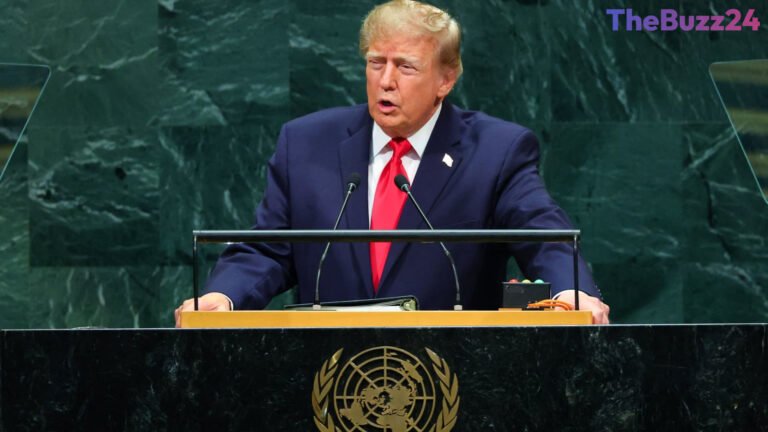
This push for justice follows a recent United Nations General Assembly resolution that classified the transatlantic slave trade as the ‘gravest crime against humanity.’ While the resolution garnered significant support, it faced opposition from the United States, Israel, and Argentina, while 52 other nations, including the United Kingdom, abstained. Critics of the reparations movement, including representatives from the UK and the US, have argued that modern institutions cannot be held legally liable for historical actions that were not considered illegal under the international laws of the era.
Despite these diplomatic hurdles, the movement marks a historic shift in international discourse. Historically, compensation related to the abolition of slavery in the 19th century was directed toward slave owners rather than the enslaved. As the debate continues, the Accra conference serves as a pivotal moment in the global effort to reconcile with the past and seek structural redress for the descendants of those affected by the slave trade.
Key Takeaways
- African and Caribbean nations have endorsed a 19-point plan calling for formal apologies, debt relief, and the return of looted cultural property.
- The movement follows a UN resolution labeling the transatlantic slave trade as the 'gravest crime against humanity,' though the resolution is not legally binding.
- Major Western powers, including the UK and US, have historically resisted reparations, citing the lack of legal liability for past actions and the complexity of identifying recipients.
Editor’s Analysis & Impact
The push for reparations for the transatlantic slave trade represents a significant shift in global human rights advocacy, moving from symbolic recognition to concrete demands for economic and structural restitution. The industry impact is profound, as it challenges the legal and moral foundations of modern international relations and sovereign debt. Future outlooks suggest that while immediate, large-scale financial payouts remain unlikely due to the legal complexities cited by Western nations, the movement is successfully shifting the narrative toward ‘restorative justice.’ This will likely lead to increased pressure on museums to repatriate cultural artifacts and may influence future international development policies. The broader implication is a long-term re-evaluation of historical accountability, which could eventually force a change in how global institutions address the economic disparities rooted in colonial-era exploitation.
Frequently Asked Questions
Q: Are the UN resolutions regarding slavery reparations legally binding?
A: No, resolutions passed by the UN General Assembly are not legally binding; they serve as a formal expression of international opinion and a framework for diplomatic discussion.
Q: Have any countries previously paid reparations for the slave trade?
A: No country has ever paid reparations to the descendants of enslaved Africans. Historically, compensation was paid to slave owners in the 19th century as a form of reimbursement for the loss of 'property' following the abolition of slavery.
AI Disclosure: This article is based on verified data and official reports. Our Team and AI have cross-referenced every financial detail with primary sources to ensure total accuracy.
More from this Category