Kennedy Center Navigates Post-Closure Uncertainty After Judge’s Ruling
The Kennedy Center is signaling that it is not obligated to reinstate canceled performances or hire back staff, despite a federal judge’s decision to block its planned two-year closure for renovations. In a recent court filing, the performing arts institution indicated it intends to operate under a modified model after July 5, the original date set for its shutdown.
While the venue’s public spaces are expected to remain accessible, the stages might fall silent as management evaluates various renovation strategies. Kennedy Center legal representatives stated in the filing that the court’s order did not compel the board to reschedule previously canceled shows or pursue new programming. This stance comes after a federal judge’s ruling overturned several directives, including the removal of President Trump’s name from the building, and blocked the extensive closure.
The institution is preparing to present its board with several renovation proposals for a vote in mid-July. These options range from a complete shutdown to a partial closure that would permit limited activities in unaffected areas. A third alternative involves phased closures targeting critical infrastructure needs while aiming to maintain a full programming schedule.
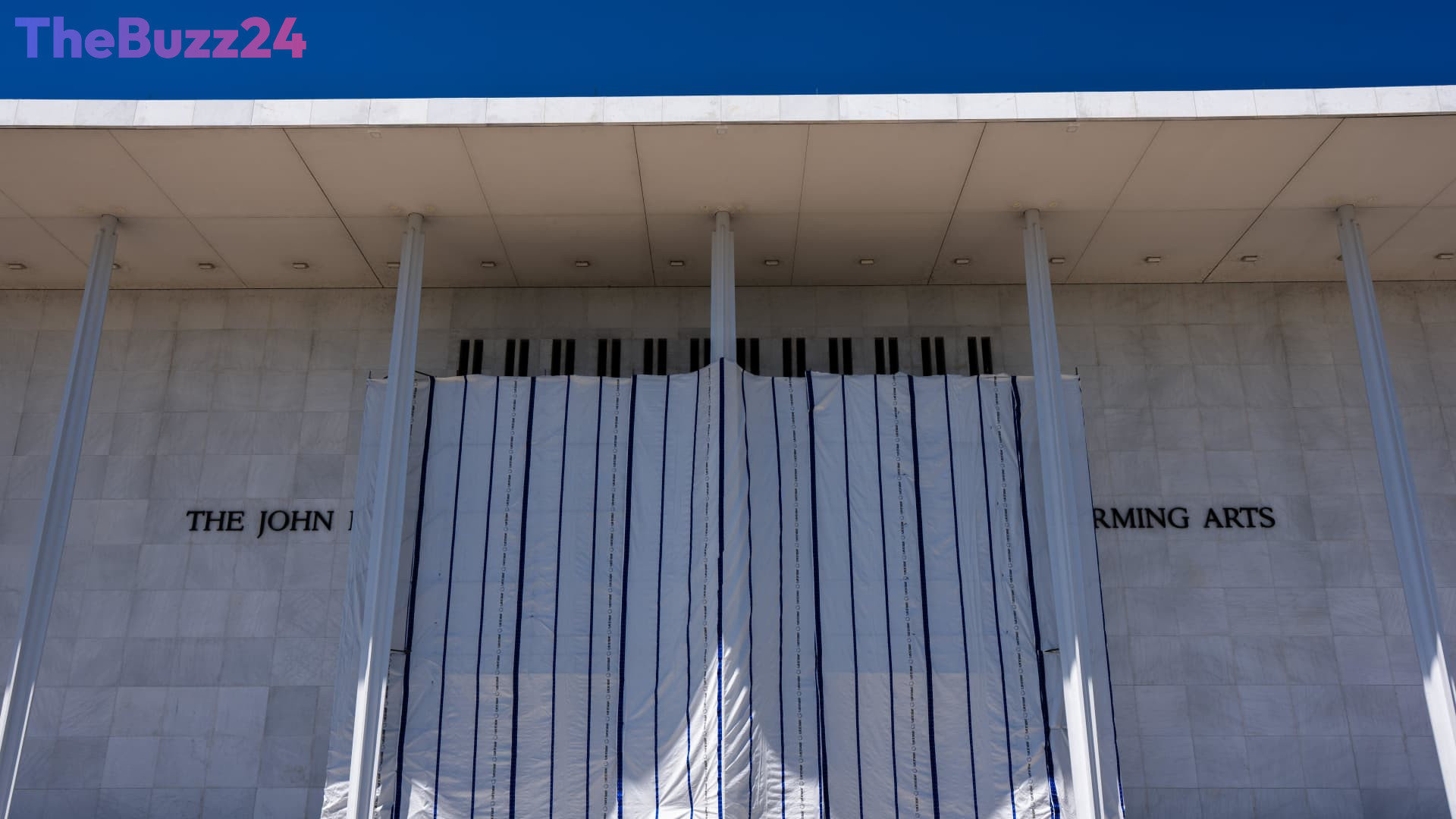
Meanwhile, legal counsel for Representative Joyce Beatty, an ex officio board member who initiated the lawsuit, contends that the Kennedy Center has not fully adhered to the judge’s order. Concerns have been raised regarding a tarp covering the area where the building’s name was removed and the lack of a clear plan to resume performances, which they argue effectively amounts to a closure despite the court’s injunction.
Key Takeaways
- The Kennedy Center is not legally required to reschedule canceled shows or rehire staff following a judge's block on its two-year closure.
- The venue plans to operate under a modified model post-July 5, with potential for limited programming and ongoing renovation options.
- Legal representatives for a plaintiff argue the Center has not fully complied with the court order, citing issues with name removal and lack of programming resumption.
Editor’s Analysis & Impact
The Kennedy Center’s legal maneuvering highlights a complex interplay between institutional renovation plans and judicial oversight. By asserting it’s not obligated to reinstate programming, the Center is prioritizing its renovation timeline and operational flexibility over immediate public performance resumption. This approach could set a precedent for how cultural institutions manage major overhauls when faced with legal challenges. The situation underscores the financial and logistical pressures these venues face, balancing infrastructure needs with audience engagement and artistic commitments. The coming board vote on renovation options will be critical in determining the Center’s path forward and its impact on the performing arts landscape.
Frequently Asked Questions
Q: What was the original plan for the Kennedy Center?
A: The Kennedy Center had initially planned a two-year closure for renovations, scheduled to begin after July 5.
Q: Why was the closure blocked?
A: A federal judge blocked the closure, ruling that President Trump's name was illegally added to the building and ordering its removal. The judge also questioned the necessity of a full two-year closure.
Q: What are the Kennedy Center's current options?
A: The Center is considering several renovation options, including a complete closure, a partial closure with limited programming, or phased closures targeting infrastructure while maintaining a full schedule.
AI Disclosure: This article is based on verified data and official reports. Our Team and AI have cross-referenced every financial detail with primary sources to ensure total accuracy.
More from this Category