High-Stakes Diplomacy in Switzerland as US Denies Iran’s Claimed Closure of Strait of Hormuz
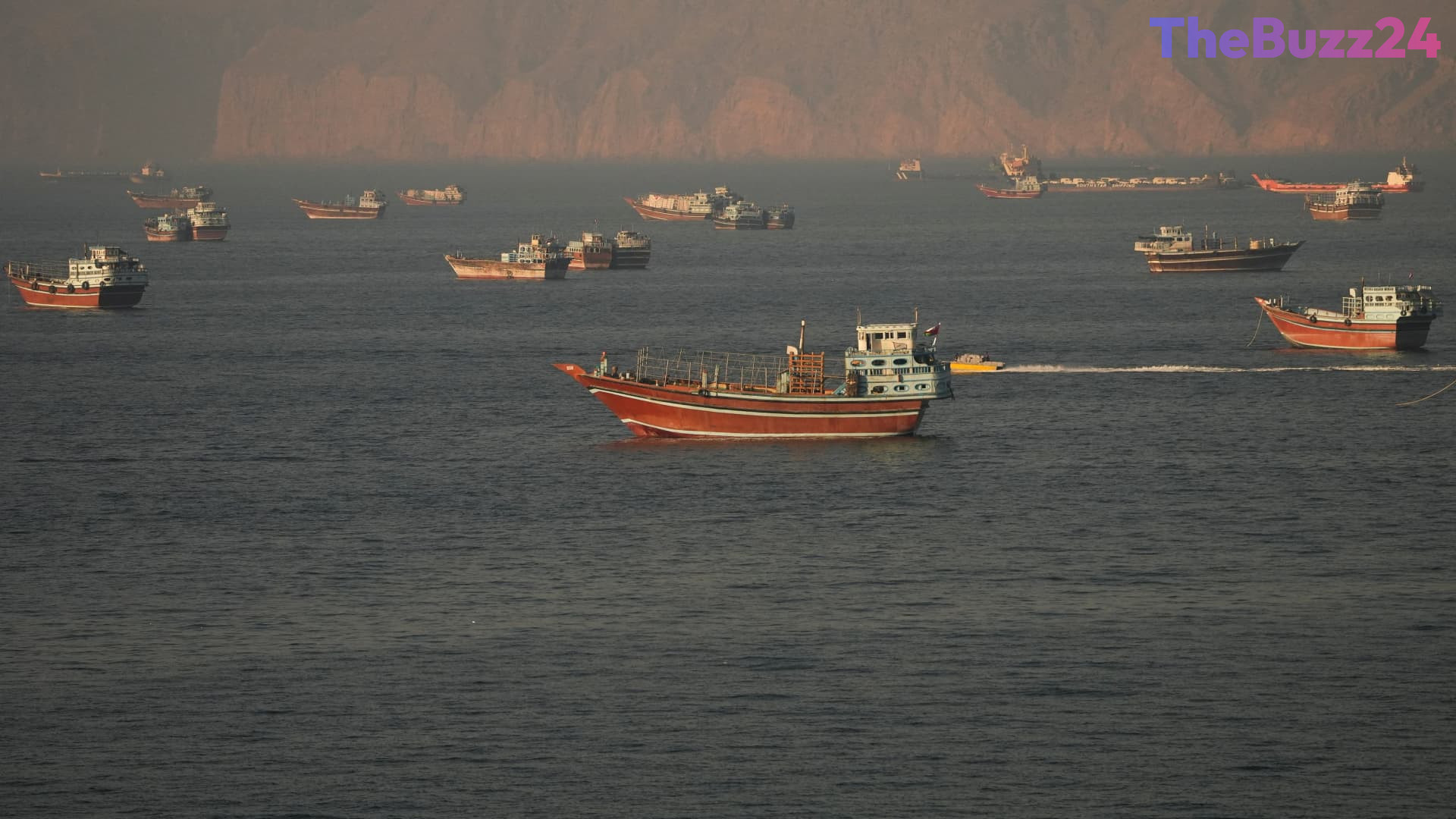
Geopolitical tensions flared in the Middle East as Iran declared the strategically vital Strait of Hormuz closed to maritime traffic, a claim quickly disputed by United States military officials who assert the waterway remains fully operational. The Iranian military and the Islamic Revolutionary Guard Corps announced the restriction, citing ongoing Israeli military actions in Lebanon and accusing Washington of failing to honor commitments under a recently established interim truce. Despite the warning issued to international vessels, maritime traffic continues to navigate the critical energy corridor under close surveillance by Western forces.
The escalating rhetoric comes at a delicate moment, occurring just days after Washington and Tehran reached a preliminary agreement aimed at de-escalating regional hostilities. In response to the friction, U.S. Vice President JD Vance departed for Switzerland to engage in high-level, technical negotiations with an Iranian delegation, alongside mediators from Qatar and Pakistan. The diplomatic mission aims to solidify the interim framework, which was brokered to secure a ceasefire in Lebanon and guarantee unhindered transit through the Strait of Hormuz for at least 60 days.
While Iranian state media warned of further retaliatory measures if regional military operations persist, U.S. officials remain optimistic about the diplomatic track. Before departing, Vice President Vance emphasized that negotiations are progressing, with a primary focus on securing Iran’s enriched uranium stockpile to prevent nuclear escalation. He also noted that oil shipments through the strait recently reached record levels, signaling that commercial shipping has not been halted. Meanwhile, President Donald Trump suggested that the U.S. could eventually impose transit fees on vessels if a permanent agreement is not finalized within the designated 60-day window.
Key Takeaways
- Iran announced the closure of the Strait of Hormuz, citing Israeli military actions in Lebanon, but the U.S. military maintains the shipping lane remains open and active.
- U.S. Vice President JD Vance has traveled to Switzerland for critical talks with Iranian negotiators to secure a permanent nuclear and regional ceasefire agreement.
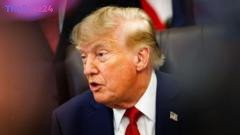
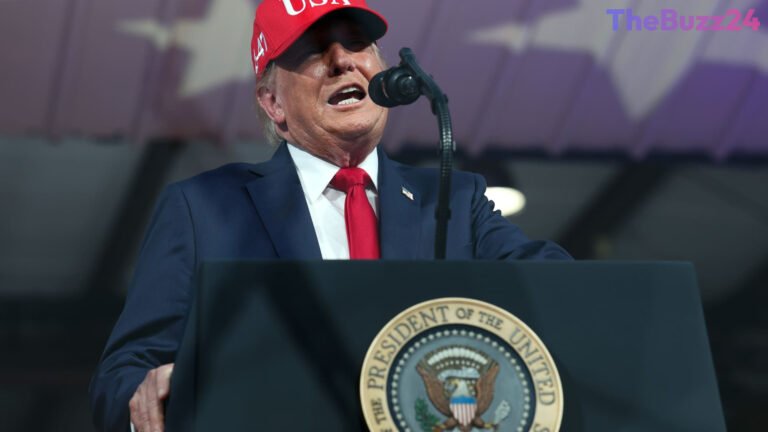
- President Donald Trump warned that the U.S. may impose transit tolls on the strait if a final diplomatic resolution is not reached within a 60-day window.
Editor’s Analysis & Impact
The conflicting reports over the status of the Strait of Hormuz underscore the fragile nature of the interim agreement between Washington and Tehran. As a transit point for approximately a fifth of the world’s liquid petroleum, any perceived threat to the strait immediately triggers volatility in global energy markets. While the U.S. military’s reassurance has temporarily stabilized oil prices, the threat of closure serves as a powerful leverage tool for Iran ahead of the Switzerland negotiations. The involvement of high-profile figures like JD Vance and Jared Kushner indicates that the U.S. administration is prioritizing a comprehensive deal that addresses both regional security and nuclear non-proliferation. However, Trump’s proposal of U.S.-imposed tolls introduces a novel economic variable that could complicate long-term maritime law and relations with international shipping partners if negotiations stall.
Frequently Asked Questions
Q: Why did Iran claim to close the Strait of Hormuz?
A: Iran cited continued Israeli military operations in Lebanon and accused the United States of acting in bad faith regarding the commitments of their interim truce agreement.
Q: Is the Strait of Hormuz actually closed to shipping?
A: No, the United States military and Central Command have confirmed that the waterway remains open, traffic is flowing normally, and international forces are actively monitoring the area.
Q: What is the goal of the upcoming talks in Switzerland?
A: The negotiations, led by U.S. Vice President JD Vance and Iranian officials, aim to transition the interim truce into a permanent agreement, secure Iran's enriched uranium stockpile, and resolve the conflict in Lebanon.
AI Disclosure: This article is based on verified data and official reports. Our Team and AI have cross-referenced every financial detail with primary sources to ensure total accuracy.
More from this Category