US-Iran Tensions Flare: Direct Talks Begin Amidst Escalating Threats Over Lebanon Conflict
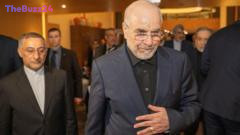
Direct negotiations between the United States and Iran have commenced in Switzerland, marked by a sharp exchange of warnings between President Donald Trump and Iran’s lead negotiator, Mohammad Bagher Ghalibaf. The talks, aimed at solidifying an initial agreement to end a protracted conflict, are taking place against a backdrop of heightened tensions, particularly concerning the ongoing clashes between Hezbollah and Israeli forces in southern Lebanon.
President Trump issued a stern ultimatum, demanding that Iran cease its alleged support for Hezbollah’s actions against Israeli troops. He further threatened severe repercussions against Iran if such actions did not cease. In a direct rebuttal, Ghalibaf dismissed the threats, asserting the readiness of Iran’s armed forces for any confrontation. This verbal sparring underscores the deep-seated mistrust and the volatile nature of the current geopolitical climate, even as both nations engage in direct dialogue.
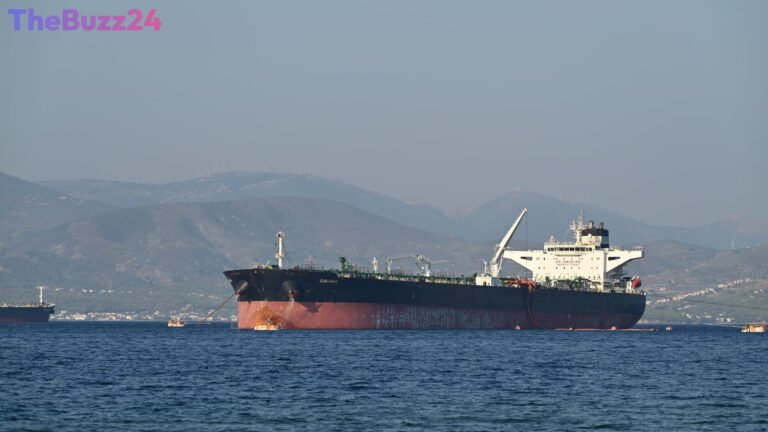
The initial agreement, signed last week, stipulated a 60-day timeframe to finalize a comprehensive peace deal, halt fighting on all fronts, and reopen the vital Strait of Hormuz. However, the fragile peace has been tested by a significant escalation in hostilities in Lebanon, leading to Israeli airstrikes that have resulted in numerous civilian casualties. In response to these developments, the U.S. declared a new ceasefire, which was subsequently challenged by continued fighting and Iran’s announcement of closing the Strait of Hormuz, though maritime tracking data suggests continued vessel passage.
As the delegations convened at the Bürgenstock resort, U.S. lead negotiator Vice-President JD Vance conveyed President Trump’s message of seeking a “new leaf” in bilateral relations. Vance indicated that if Iran were to abandon its role as a “driver of regional instability” and its pursuit of nuclear weapons, the U.S. would be open to a fundamental transformation of their relationship. Iran, meanwhile, maintains that its nuclear program is solely for peaceful purposes. The presence of international mediators, including Pakistan’s prime minister and the Qatari prime minister, highlights the broader regional implications and the international community’s efforts to facilitate a resolution.
Key Takeaways
- Direct US-Iran talks have begun in Switzerland amidst escalating threats and ongoing conflict in Lebanon.
- President Trump warned Iran against supporting Hezbollah, threatening military action, while Iran's negotiator dismissed the threats.
- An initial agreement to end the war includes a 60-day deadline for a final deal, reopening the Strait of Hormuz, and halting fighting, but recent escalations have tested its stability.
Editor’s Analysis & Impact
The commencement of direct US-Iran talks, coupled with stark warnings, signals a critical juncture in regional diplomacy. The immediate focus on the Lebanon conflict highlights the interconnectedness of proxy warfare and broader geopolitical objectives. While the initial agreement offers a framework for de-escalation, the persistent clashes and Iran’s actions regarding the Strait of Hormuz demonstrate the significant challenges ahead. The success of these negotiations will likely hinge on Iran’s willingness to curb regional destabilization and the US’s ability to navigate complex security concerns, potentially reshaping the economic landscape through sanctions relief and trade normalization if a lasting peace is achieved.
Frequently Asked Questions
Q: What was the initial agreement between the US and Iran?
A: The initial agreement aimed to end the war with immediate effect, included a commitment to reach a final deal within 60 days, an end to fighting on all fronts, and the reopening of the Strait of Hormuz. It also involved a plan for Iran's reconstruction and the termination of US sanctions.
Q: What is the significance of the Strait of Hormuz?
A: The Strait of Hormuz is a vital shipping channel through which approximately 20% of the world's oil and natural gas travels. Its closure or disruption can significantly impact global fuel prices and the international economy.
Q: What role do Hezbollah and Israel play in this conflict?
A: Hezbollah, a Lebanese armed group, has been clashing with Israeli troops in southern Lebanon. The US has warned Iran to restrain Hezbollah, and the escalation of fighting between these two entities has led to Israeli airstrikes and a declared US ceasefire, complicating the broader US-Iran negotiations.
AI Disclosure: This article is based on verified data and official reports. Our Team and AI have cross-referenced every financial detail with primary sources to ensure total accuracy.
More from this Category