The ‘TSMC of Fruit’: How Taiwan’s Custard Apples Became the Latest Geopolitical Battleground
A specialty hybrid fruit known as the atemoya, or custard apple, has become the latest flashpoint in the ongoing geopolitical tensions between Taiwan and China. Agricultural authorities in Taiwan have issued a stern warning to local farmers regarding Beijing’s recent pledge to increase imports of the crop, which is primarily grown in Taiwan’s Taitung county. Government officials caution that the move could be a calculated economic trap designed to foster over-reliance before abruptly cutting off market access.
This warning follows a historical pattern of trade disruptions used as non-military pressure. In 2021, Beijing banned Taiwanese pineapples, prompting a massive domestic consumption campaign to support local farmers. That same year, atemoya imports were suspended over pest concerns, only to be partially reinstated in 2023, followed by new tariffs in 2024. Taiwan’s agriculture ministry described this cycle as a strategic process of building up an industry only to leave farmers exposed to sudden market changes, adding that China has also begun cultivating its own atemoyas to compete with Taiwanese growers.
The controversy intensified after Chinese firms pledged to boost purchases of Taiwanese agricultural goods, including atemoyas, fish, and tea, during a recent forum in Xiamen. The event was attended by Taiwanese opposition figures and business leaders, defying an official ban on participation by Taiwan’s central government. While Taipei’s Mainland Affairs Council warned of potential investigations into the attendees, opposition politicians, including Taipei Mayor Chiang Wan-an, accused the ruling administration of politicizing agriculture. Chiang defended the fruit, calling it the ‘TSMC of the fruit world’ due to its unique global appeal and unmatched quality.
To safeguard the local industry from geopolitical volatility, agricultural authorities are urging farmers to diversify. Plans are underway to shift focus toward processed goods, such as frozen fruit products, purees, and fruit wines. This strategy aims to reduce dependence on raw exports to China and build a more resilient, sustainable local agricultural economy.
Key Takeaways
- Taiwan's agriculture ministry has warned farmers against China's offer to increase imports of atemoyas (custard apples), calling it a strategic economic trap.
- The warning highlights a history of trade disruptions, including previous bans on Taiwanese pineapples and atemoyas, which critics label as economic coercion.
- The issue has sparked internal political debate in Taiwan, with opposition leaders accusing the government of politicizing the agricultural sector at the expense of farmers' livelihoods.
Editor’s Analysis & Impact
The dispute over Taiwan’s atemoya exports highlights the growing intersection of agriculture and geopolitics, often referred to as ‘fruit diplomacy’ or economic coercion. By leveraging its massive consumer market, Beijing has repeatedly used trade access as a non-military tool to exert pressure on Taipei. For Taiwanese farmers, the high margins of the Chinese market present a lucrative but highly volatile opportunity. The current political divide within Taiwan—where the ruling party urges diversification while the opposition advocates for maintaining trade ties—underscores the difficulty of decoupling economically from China. Moving forward, Taiwan’s success in mitigating these risks will depend on its ability to successfully transition to high-value processed goods and open alternative international markets, reducing its vulnerability to unilateral trade bans.
Frequently Asked Questions
Q: What is an atemoya?
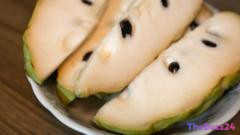
A: An atemoya is a hybrid custard apple species known for its heart-shaped, rough green exterior and sweet, creamy white flesh. It is a specialty crop heavily cultivated in Taiwan's Taitung county.
Q: Why is the Taiwanese government warning farmers about selling to China?
A: The government fears a strategic economic trap where China encourages high production and reliance on its market, only to suddenly ban or tax the imports to cause economic instability and political pressure.
Q: How is Taiwan planning to protect its atemoya industry?
A: Taiwan's agriculture ministry is guiding the industry toward diversification, focusing on processing the fruit into frozen products, purees, and wines to reduce reliance on fresh fruit exports to China.
AI Disclosure: This article is based on verified data and official reports. Our Team and AI have cross-referenced every financial detail with primary sources to ensure total accuracy.
More from this Category