Federal Regulators Launch Probe Into Fatal Tesla Crash in Texas
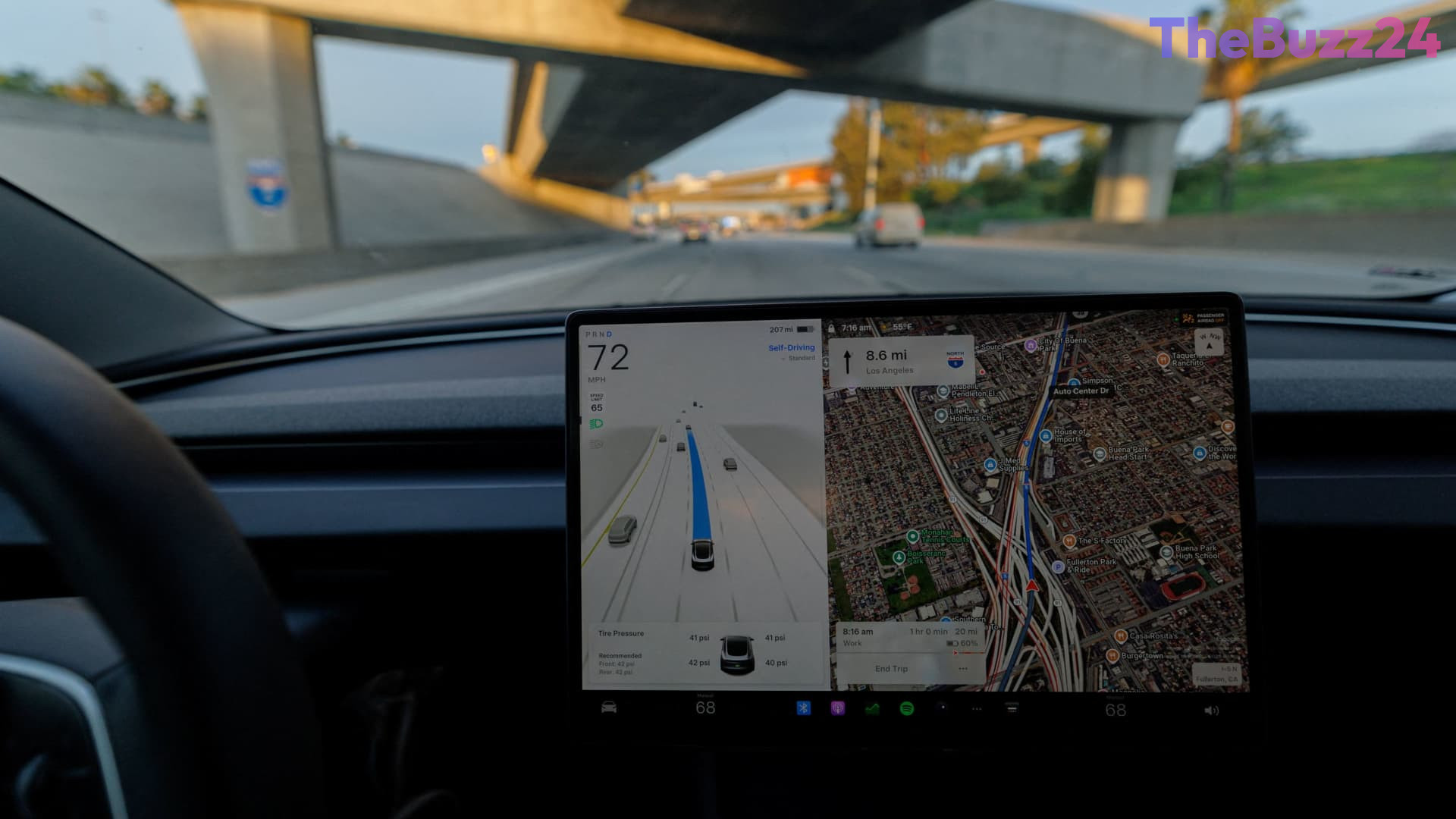
The National Highway Traffic Safety Administration (NHTSA) has initiated a special crash investigation following a tragic incident in Katy, Texas, where a Tesla Model 3 collided with a residential home, resulting in the death of 76-year-old Martha Avila. Local authorities identified the driver as Michael Butler, who reported that the vehicle’s partially automated driving systems were engaged at the time of the collision. The investigation aims to determine the role of these systems in the vehicle’s departure from the roadway.
In response to the incident, Tesla leadership has publicly challenged the circumstances surrounding the crash. CEO Elon Musk stated on social media that the high-speed nature of the impact contradicts the operational behavior of the company’s Full Self-Driving (Supervised) software. Tesla Vice President of Autopilot, Ashok Elluswamy, further alleged that data indicates the driver manually applied full pressure to the accelerator, reaching speeds of 73 mph, and maintained that pressure even after the impact occurred. These claims remain subject to verification by federal investigators.
This incident marks the latest in a series of more than three dozen special investigations opened by the NHTSA since 2016 concerning Tesla’s advanced driver assistance systems. The ongoing scrutiny comes at a critical time for the automaker, which is currently attempting to pivot its business model toward autonomous robotaxi fleets. As regulators continue to examine the intersection of human error and automated technology, the case highlights the persistent debate regarding the safety, marketing, and oversight of driver-assist features in modern electric vehicles.
Key Takeaways
- The NHTSA is investigating a fatal Tesla Model 3 crash in Texas where the driver claimed to be using automated driving systems.
- Tesla executives claim vehicle data shows the driver manually accelerated to 73 mph, contradicting the driver's account.
- This is one of over 36 special investigations opened by federal regulators into Tesla's driver-assist technology since 2016.
Editor’s Analysis & Impact
The recurring nature of these federal investigations poses a significant reputational and regulatory risk to Tesla’s long-term autonomy strategy. While the company maintains that its systems are safe when used as directed, the discrepancy between consumer expectations—often fueled by aggressive marketing—and the technical reality of ‘supervised’ autonomy remains a point of friction. From a market perspective, the pressure from the NHTSA could lead to stricter software mandates or mandatory hardware retrofits, potentially delaying the rollout of Tesla’s promised robotaxi network. Furthermore, the legal scrutiny regarding how Tesla handles and discloses vehicle data during crash investigations suggests that the company may face increased transparency requirements. Investors should monitor these probes closely, as they directly impact the regulatory pathway for the company’s transition from a hardware-focused automaker to an AI-driven software provider.
Frequently Asked Questions
Q: What is the current status of the Tesla Model 3 crash investigation?
A: The National Highway Traffic Safety Administration (NHTSA) has opened a special crash investigation to determine the factors involved in the collision, including the performance of the vehicle's automated systems.
Q: Does Tesla's 'Full Self-Driving' system allow for hands-free operation?
A: No. Tesla explicitly states in its owner's manual that the 'Full Self-Driving (Supervised)' feature requires the driver to remain attentive and ready to take control of the vehicle at all times.
AI Disclosure: This article is based on verified data and official reports. Our Team and AI have cross-referenced every financial detail with primary sources to ensure total accuracy.
More from this Category