Oil Markets Stabilize Amid Diplomatic Progress and Iranian Export Licensing
Global oil prices saw a modest uptick on Tuesday as investors weighed the implications of a new U.S. Treasury license regarding Iranian oil exports against ongoing diplomatic efforts to resolve tensions in the Middle East. Brent crude futures for August rose 0.36% to $78.18 per barrel, while West Texas Intermediate futures climbed 0.45% to $74.19 per barrel, reflecting a cautious market sentiment.
The U.S. Treasury recently issued a 60-day license, expiring August 21, which permits the production, delivery, and sale of Iranian oil, including imports into the United States and payments processed in dollars. This development follows reports of significant progress in diplomatic talks held in Switzerland, which have bolstered hopes for a de-escalation of regional conflicts.
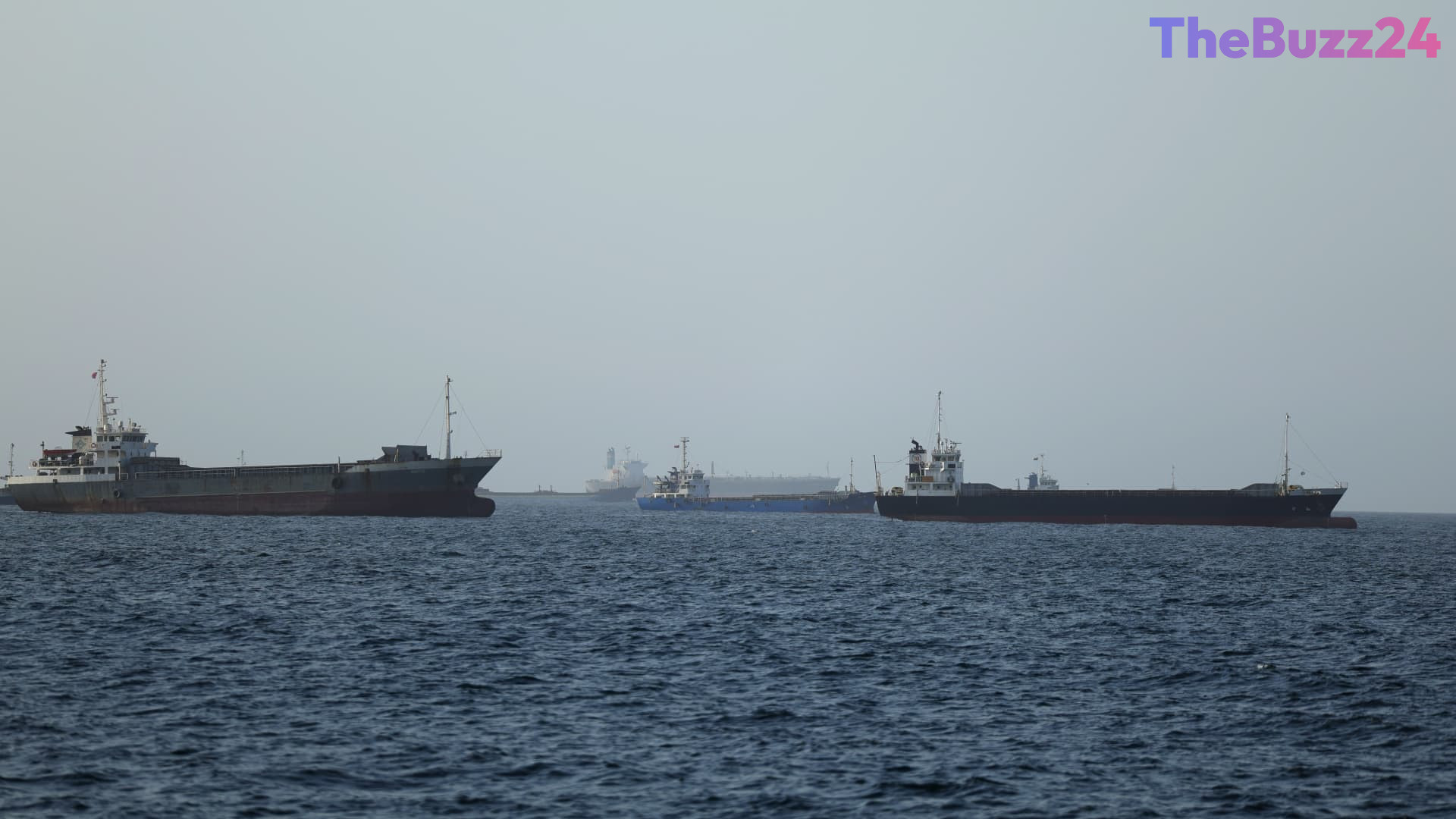
Despite the optimism, concerns remain regarding the potential use of oil revenues by Iran. President Donald Trump addressed these apprehensions, emphasizing that the funds are intended for humanitarian purposes, such as the purchase of agricultural goods like corn and soybeans. Meanwhile, Vice President JD Vance confirmed that negotiations are moving forward, even as conflicting reports emerged regarding the status of the Strait of Hormuz. U.S. Central Command has clarified that the waterway remains open, countering claims that it had been closed.
Market analysts suggest that the current trading patterns indicate growing confidence that the geopolitical risk premium associated with the conflict is beginning to fade. As the energy price overhang subsides, experts anticipate a potential reduction in inflationary pressures linked to energy costs in the coming months.
Key Takeaways
- Oil prices experienced a slight increase as markets reacted to diplomatic progress and a new 60-day U.S. license for Iranian oil exports.
- The U.S. Treasury license allows for the sale and import of Iranian crude, with officials stating the revenue should be used for humanitarian aid.
- Market analysts believe the reduction of the 'energy price overhang' could help alleviate broader inflationary concerns in the near future.
Editor’s Analysis & Impact
The recent stabilization in oil prices signals a shift in market sentiment from panic-driven volatility to a more calculated assessment of geopolitical risk. The issuance of the 60-day license by the U.S. Treasury acts as a critical pressure-release valve for global supply concerns, potentially tempering the inflation fears that have plagued energy markets. If diplomatic talks in Switzerland continue to yield positive results, we can expect a sustained cooling of the ‘war premium’ currently baked into crude prices. However, the long-term outlook remains sensitive to how effectively the U.S. monitors the use of Iranian oil revenues. Should the humanitarian stipulations be violated, the resulting geopolitical friction could quickly reverse current gains, leading to renewed market instability and upward pressure on energy costs.
Frequently Asked Questions
Q: What does the new U.S. Treasury license allow?
A: The 60-day license authorizes the production, delivery, and sale of Iranian oil, allowing it to be imported into the U.S. and paid for in dollars.
Q: Is the Strait of Hormuz currently closed?
A: No, despite reports suggesting otherwise, U.S. Central Command has confirmed that the Strait of Hormuz remains open.
AI Disclosure: This article is based on verified data and official reports. Our Team and AI have cross-referenced every financial detail with primary sources to ensure total accuracy.
More from this Category