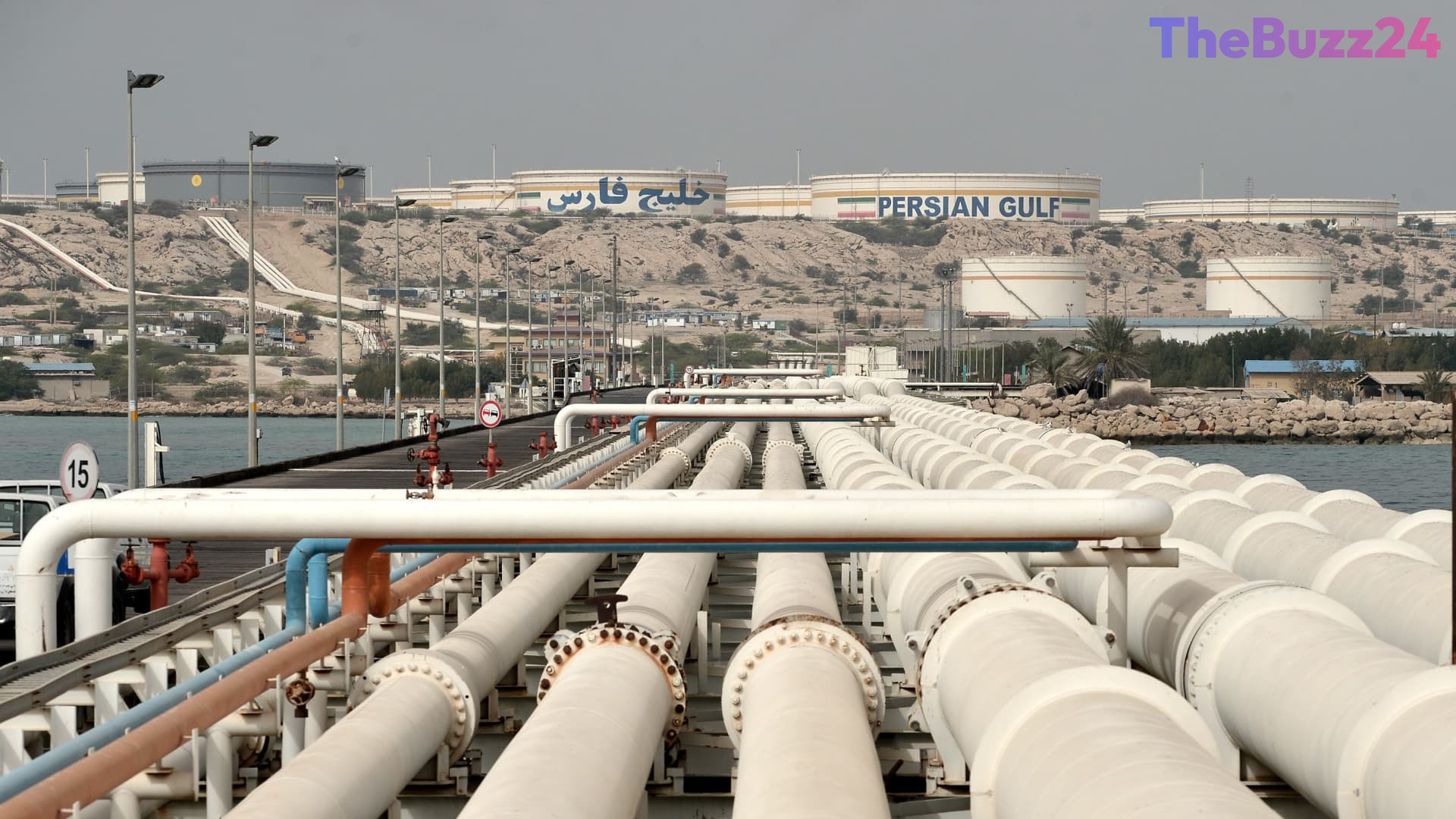
U.S. Grants Temporary Authorization for Iranian Oil Imports Amid Diplomatic Thaw
The U.S. Treasury Department has issued a 60-day general license permitting the production, delivery, and sale of Iranian oil. This move follows a series of high-level diplomatic discussions held in Switzerland between Washington and Tehran, signaling a significant shift in energy policy and regional relations. The authorization, which remains in effect until August 21, allows for the import of Iranian crude and refined products into the United States, with payments permitted in U.S. dollars.
This development comes on the heels of a broader de-escalation effort, which included the U.S. Navy lifting its blockade of Iranian ports and coastal regions. As part of the agreement, Iran has committed to ensuring free and open transit through the Strait of Hormuz, a critical global shipping artery. Furthermore, officials have confirmed that Iran has agreed to allow International Atomic Energy Agency (IAEA) inspectors to resume operations within the country, marking a notable step toward renewed transparency.
While the agreement provides a temporary reprieve for global energy markets, shipping activity through the Strait of Hormuz remains well below pre-conflict levels. Prior to the implementation of the U.S. blockade in April, Iran exported over 1.5 million barrels per day, a figure that plummeted as tensions escalated. Although transit numbers have begun to recover following the June 17 memorandum of understanding, the long-term status of the strait remains subject to future negotiations between Iran, Oman, and regional Gulf states regarding potential toll structures.
Key Takeaways
- The U.S. Treasury has issued a 60-day license allowing the import and sale of Iranian oil and refined products.
- The agreement is contingent on Iran allowing IAEA weapons inspectors back into the country and ensuring free transit through the Strait of Hormuz.
- Global oil shipping traffic through the Strait of Hormuz is slowly recovering but remains significantly lower than pre-conflict volumes.
Editor’s Analysis & Impact
The temporary authorization of Iranian oil exports represents a calculated geopolitical pivot aimed at stabilizing global energy markets following the massive supply disruptions caused by the recent blockade of the Strait of Hormuz. By facilitating the return of Iranian barrels to the market, the U.S. is effectively attempting to dampen price volatility and ease inflationary pressures on energy costs. However, the sustainability of this arrangement is fragile; it relies heavily on Iran’s continued compliance with IAEA inspections and the maintenance of open shipping lanes. The future outlook remains uncertain, as the 60-day window serves as a trial period. Should the diplomatic framework hold, it could lead to a more permanent reintegration of Iranian energy into the global supply chain, though any resurgence of regional hostilities would likely trigger an immediate reversal of these market-opening measures.
Frequently Asked Questions
Q: How long is the current authorization for Iranian oil sales valid?
A: The temporary general license is valid for 60 days, expiring on August 21, unless it is renewed by the U.S. Treasury Department.
Q: What conditions must Iran meet under this new agreement?
A: Iran must allow International Atomic Energy Agency (IAEA) inspectors back into the country and ensure that the Strait of Hormuz remains open for toll-free transit for the duration of the 60-day period.
AI Disclosure: This article is based on verified data and official reports. Our Team and AI have cross-referenced every financial detail with primary sources to ensure total accuracy.
More from this Category