Deep-Strike Drone Attack Hits Russian Energy Hub in Tatarstan, Leaving 13 Dead
A devastating long-range drone attack targeted industrial and energy infrastructure deep inside Russian territory overnight, resulting in at least 13 fatalities and over 75 injuries in the republic of Tatarstan. The bombardment struck the city of Nizhnekamsk, situated more than 1,100 kilometers from the border. Among the casualties reported by local authorities was at least one child, making it one of the deadliest single strikes on Russian soil since the full-scale conflict began.
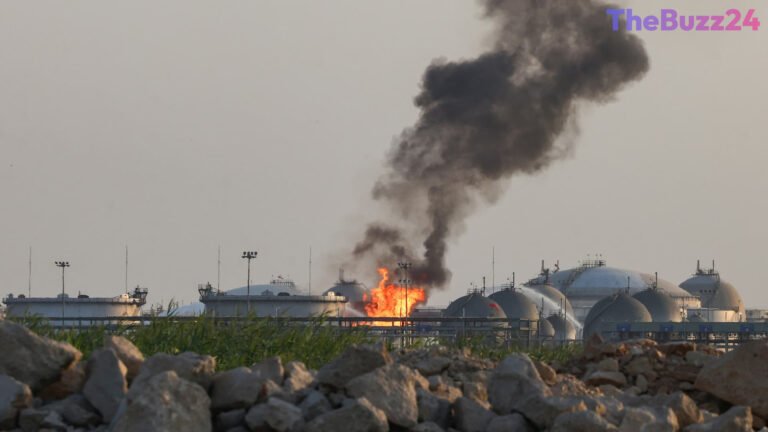
The strike specifically targeted the Taneco oil refinery in Nizhnekamsk, a key energy facility that had previously been hit in recent months. Defense technology suppliers confirmed that long-range FP-1 drones manufactured by FirePoint were deployed in the multi-hour operation. Visual evidence from the scene showed massive columns of thick smoke and flames rising into the daytime sky while emergency air raid sirens sounded across the industrial district.
Defense representatives stated that the targeted facilities directly contribute to military logistics, state revenue, and weapon manufacturing. Conversely, regional Russian leadership confirmed damage to industrial assets while alleging that adjacent residential areas were also hit. Officials in Tatarstan declared a period of mourning as municipal leaders extended condolences to victims’ families.
This deep-penetration strike underscores the accelerating frequency and reach of long-range aerial operations directed at strategic energy hubs. As cross-border offensive actions escalate, both sides continue to sustain heavy casualties, with concurrent large-scale missile, drone, and artillery bombardments impacting major urban centers across the region.
Key Takeaways
- A long-range drone attack struck the Taneco oil refinery in Nizhnekamsk, Tatarstan, over 1,100 kilometers from the border.
- The strike resulted in at least 13 deaths and 75 injuries, marking one of the heaviest single casualty events inside Russia during the conflict.
- FP-1 long-range drones manufactured by FirePoint were utilized in the multi-hour operation targeting critical energy infrastructure.
Editor’s Analysis & Impact
The strike deep within Tatarstan underscores a strategic evolution in modern cross-border warfare, where long-range uncrewed aerial systems are systematically leveraged to hit vital economic and energy nodes. By successfully penetrating air defenses over 1,100 kilometers from the frontier, these targeted operations directly challenge Russia’s refining output and industrial logistics, injecting additional uncertainty into global and domestic energy markets. Furthermore, the reliance on specialized FP-1 strike drones demonstrates growing domestic defense manufacturing capabilities and operational reach. Moving forward, both belligerents are likely to intensify defensive measures around critical infrastructure while expanding long-range vector production, pointing toward a sustained operational focus on high-value industrial targets.
Frequently Asked Questions
Q: Which facility was targeted in the Tatarstan strike?
A: The attack focused on the Taneco oil refinery in Nizhnekamsk, located more than 1,100 kilometers from the border.
Q: What type of drone was reportedly used in the operation?
A: The strike relied on long-range FP-1 drones developed by defense manufacturer FirePoint.
Q: What was the reported casualty toll from the attack?
A: Local authorities confirmed at least 13 people were killed, including a child, with an additional 75 individuals injured.
AI Disclosure: This article is based on verified data and official reports. Our Team and AI have cross-referenced every financial detail with primary sources to ensure total accuracy.
More from this Category