Trump Halts Iran Military Action Until After Midterm Elections Amid Political Pressure
President Donald Trump has declared that the United States will not initiate military action against Iran before the November 3 midterm elections, explicitly connecting the timing of potential conflict to the domestic political calendar. This announcement marks a notable shift in posture, coming after earlier indications that pre-election strikes were being considered. The more diplomatic tone emerges as the nation approaches an election season heavily influenced by economic concerns and a noticeable decline in public appetite for prolonged military engagements.
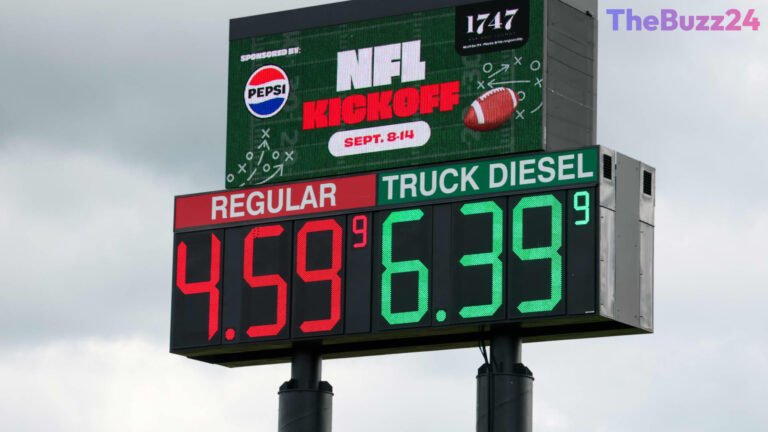
The decision appears to be a strategic move influenced by several factors. Public support for U.S. military action against Iran has reportedly diminished, with recent surveys indicating a significant drop in approval. Furthermore, the ongoing conflict has contributed to elevated fuel costs, a critical issue for American households and a major vulnerability for the Republican party as they strive to maintain control of Congress. The cost of living has consistently ranked among voters’ top concerns, making any policy perceived to exacerbate economic strain politically challenging.
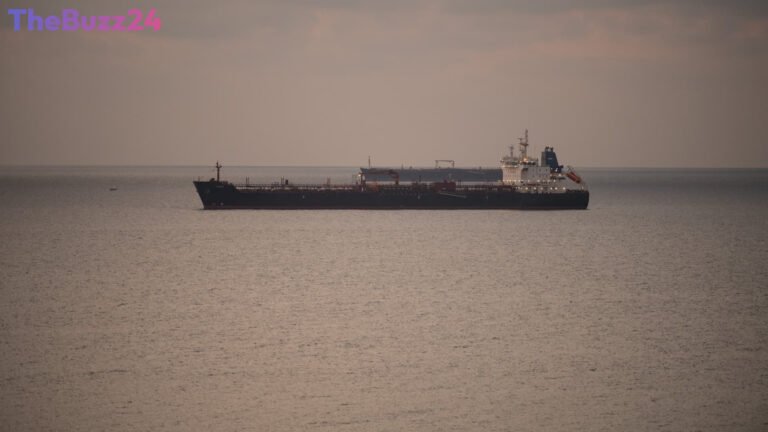
Despite the temporary pause in offensive military action, the U.S. maintains its firm stance on Iran. President Trump reiterated that the naval blockade of Iran would remain in effect and reaffirmed the commitment to preventing Tehran from acquiring nuclear weapons. This declaration comes amidst a significant military buildup in the region, including the deployment of thousands of sailors and Marines and additional aircraft carriers, signaling a continued robust presence. While the immediate threat of pre-election strikes has receded, the underlying tensions and strategic objectives remain.
Key Takeaways
- President Trump announced a halt to U.S. military action against Iran until after the November 3 midterm elections.
- The decision reflects a strategic shift influenced by declining public support for war and the political impact of rising fuel prices on the election.
- The U.S. maintains its naval blockade and commitment to preventing Iran from obtaining nuclear weapons, alongside a significant military buildup in the region.
Editor’s Analysis & Impact
This strategic pause in potential military action against Iran by the Trump administration is a clear demonstration of how domestic political calendars can heavily influence foreign policy decisions. By explicitly linking military restraint to the midterm elections, the administration aims to mitigate political fallout from rising gas prices and waning public support for conflict, which could jeopardize Republican electoral prospects. While this temporarily de-escalates tensions, it also sets a precedent for potential post-election action, creating uncertainty for global oil markets and regional stability. The move could be seen as a tactical delay rather than a fundamental shift in long-term strategy, with implications for energy prices and geopolitical dynamics once the election cycle concludes.
Frequently Asked Questions
Q: Why did President Trump announce a pause in military action against Iran?
A: President Trump stated that the U.S. would not attack Iran before the November 3 midterm elections, explicitly linking the decision to the domestic political calendar. This move is largely seen as a response to declining public support for military conflict and the political pressure from high fuel prices impacting voters' economic concerns.
Q: What is the U.S. stance on Iran's nuclear program and regional presence?
A: The U.S. maintains a firm stance that Iran will not be allowed to obtain a nuclear weapon. The naval blockade of Iran remains in place, and the U.S. is continuing a significant military buildup in the region, including deploying additional naval assets and personnel, underscoring its commitment to regional security and its strategic objectives concerning Iran.
Q: How have fuel prices influenced this decision?
A: Rising fuel costs have become a major concern for American voters, directly impacting the cost of living. With the midterm elections approaching, the administration likely sought to avoid any actions that could further escalate oil prices and exacerbate economic anxieties, which could negatively affect the Republican party's electoral performance.
AI Disclosure: This article is based on verified data and official reports. Our Team and AI have cross-referenced every financial detail with primary sources to ensure total accuracy.
More from this Category