Geopolitical Tensions and Storms Ignite Oil Price Surge
Global oil prices experienced a significant surge this week, driven by a dual threat of escalating geopolitical tensions in the Middle East and severe weather impacting crucial U.S. energy production. Crude oil futures saw substantial gains, with Brent crude futures climbing 4% to close at $104.28 a barrel, and U.S. West Texas Intermediate futures advancing 3.6% to settle at $91.49 per barrel.
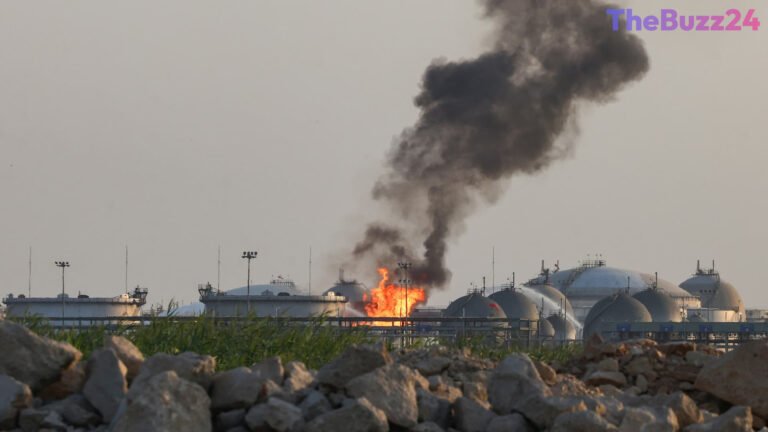
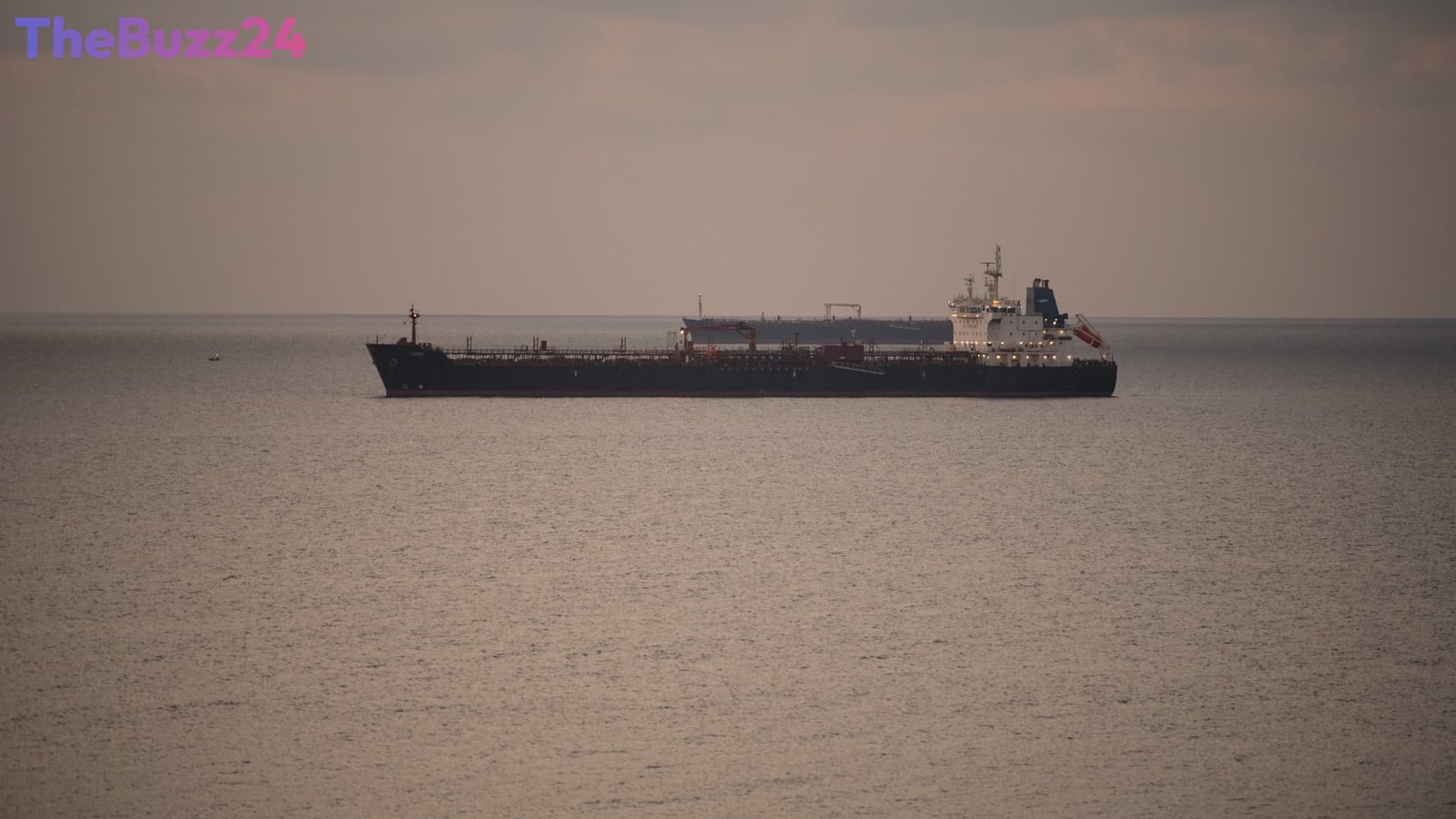
The primary catalyst for the price hike appears to be Iran’s intensified actions against commercial shipping. Reports indicate that nine tankers have been targeted in and around the Strait of Hormuz over the past week. This heightened activity jeopardizes the recent recovery of oil flows through this vital chokepoint, which typically accounts for a significant portion of global crude transit. While overall crude flows from the Middle East have shown resilience, the increased risk and operational challenges, such as the need for naval escorts and higher insurance costs, are contributing to a persistent risk premium in oil pricing.
Compounding the supply concerns, Hurricane Isaias forced major oil companies to halt approximately 500,000 barrels per day, representing 25% of the Gulf of Mexico’s offshore production. As the storm churned towards the U.S. Gulf Coast, operators preemptively shut down operations to mitigate potential damage and ensure safety. This disruption to U.S. production added further upward pressure to already tightening global oil markets.
Adding to the regional instability, Iran-backed Houthi militants in Yemen launched ballistic missiles targeting airports in Saudi Arabia’s capital, Riyadh, and other cities. These attacks resulted in casualties and further underscored the volatile security situation in the Middle East, a region critical to global energy supply.
Key Takeaways
- Oil prices surged due to increased tanker attacks by Iran in the Strait of Hormuz and Hurricane Isaias impacting U.S. Gulf production.
- Geopolitical instability in the Middle East, including Houthi missile attacks in Saudi Arabia, is contributing to a risk premium in oil prices.
- Approximately 25% of U.S. Gulf of Mexico offshore production was shut down in response to the hurricane.
Editor’s Analysis & Impact
The confluence of geopolitical conflict and natural disaster has created a potent cocktail for oil price volatility. Iran’s aggressive stance in the Strait of Hormuz, coupled with the disruption from Hurricane Isaias, highlights the fragility of global energy supply chains. The market’s reaction underscores the significant impact that regional instability and extreme weather events can have on crude prices. This situation suggests that oil prices may remain elevated as long as these threats persist, potentially impacting inflation and economic recovery efforts worldwide. The long-term feasibility of maintaining stable oil flows through the Strait of Hormuz remains a key concern for the industry.
Frequently Asked Questions
Q: What is the Strait of Hormuz and why is it important for oil transport?
A: The Strait of Hormuz is a narrow waterway connecting the Persian Gulf and the Gulf of Oman. It is one of the world's most critical chokepoints for oil transportation, with a significant percentage of the world's oil supply transiting through it daily.
Q: How does a hurricane affect oil production?
A: Hurricanes in the Gulf of Mexico can disrupt oil production by forcing offshore platforms to shut down operations as a safety precaution. This involves securing equipment and evacuating personnel to prevent damage and ensure worker safety, leading to a temporary reduction in oil output.
Q: What is the significance of Brent crude and WTI crude?
A: Brent crude and West Texas Intermediate (WTI) are the two major global benchmarks for oil prices. Brent crude is primarily sourced from the North Sea and is used as a global pricing standard, while WTI is a U.S.-based benchmark, often reflecting the price of oil produced in North America.
AI Disclosure: This article is based on verified data and official reports. Our Team and AI have cross-referenced every financial detail with primary sources to ensure total accuracy.
More from this Category