Amazon Elevates Tablet Offerings, Phasing Out Budget Fire Devices for High-End Alexa Models
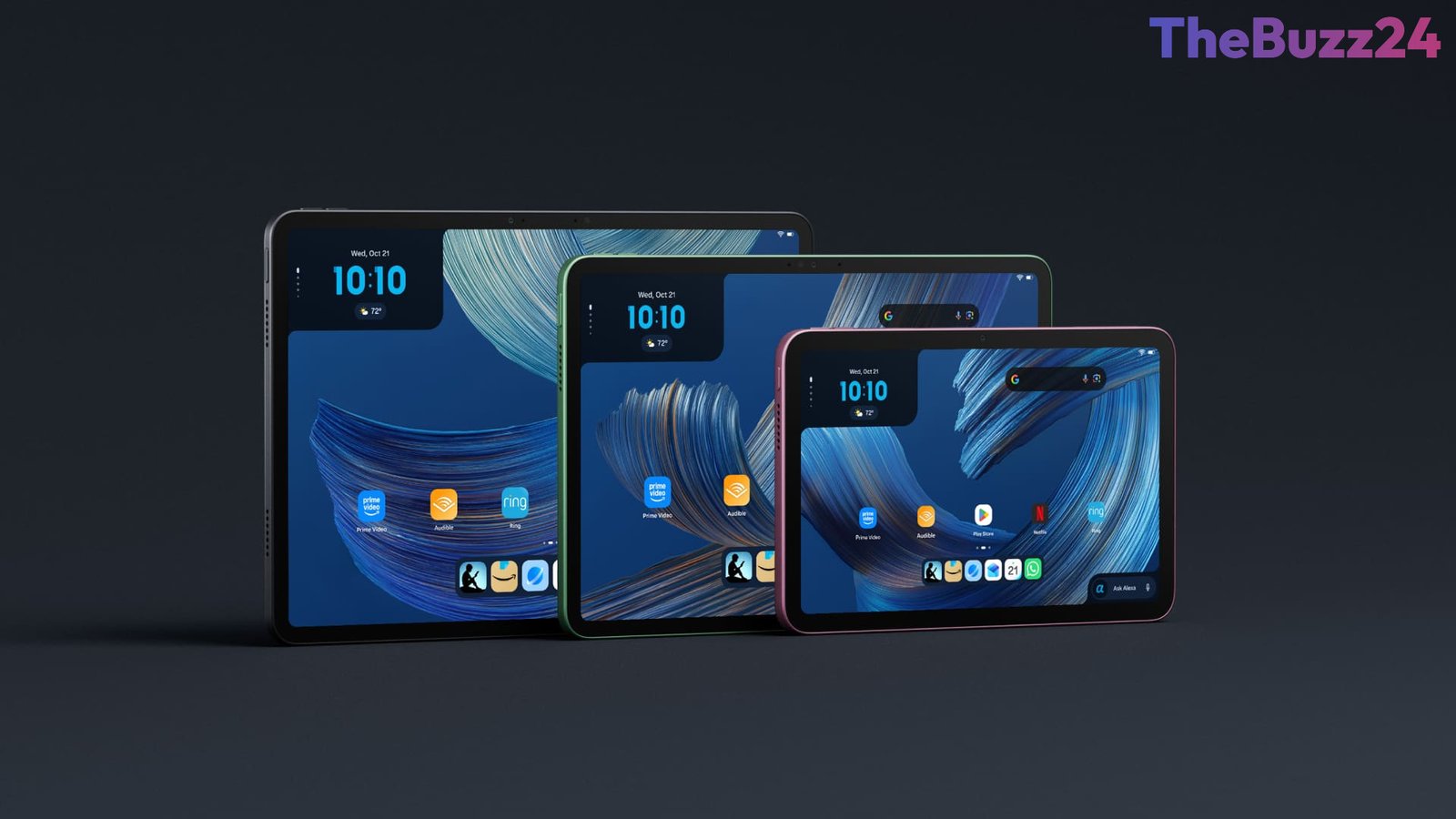
Amazon is making a significant strategic shift in its device lineup, introducing a new series of higher-priced, Alexa-branded tablets while simultaneously discontinuing its long-standing, budget-friendly Fire tablet family. This move signals a clear pivot towards the premium segment of the tablet market, aiming to compete more directly with established high-end devices.
The newly unveiled Alexa tablets will be available in 8-inch, 11-inch, and 12-inch models, with prices ranging from $230 to $550. Amazon asserts that the enhanced speed, performance, advanced artificial intelligence features, and upgraded design of these devices justify their higher price tag, positioning them as contenders against the best tablets currently available. Pre-orders are open now, with shipping scheduled to commence on October 14.
Historically, Amazon has adopted a strategy of selling its devices at or near manufacturing cost, primarily to undercut competitors and, more importantly, to drive engagement with its broader ecosystem of products and services, such as Prime subscriptions, digital content, and its vast e-commerce platform. However, under the leadership of CEO Andy Jassy, who took the helm in 2021, the company has been actively seeking to enhance profitability within its hardware division. This strategic pivot is evident in the new Alexa tablets, which are priced considerably higher than their Fire predecessors, with the top-tier Alexa Tablet 12 Pro costing more than double the base Fire HD 10 model, placing it in a similar price bracket to Apple’s iPad offerings. While Amazon denies that rising memory costs were the primary driver for the price increase, Panos Panay, the company’s devices boss, acknowledged the complexities of developing a premium tablet without making design compromises amid component shortages.
A notable advancement in the new lineup is the adoption of Google’s Android operating system across all models, a significant departure from the custom Fire OS and Amazon’s proprietary app store used in previous devices. This change is expected to provide users with access to a much wider array of applications. Furthermore, the tablets prominently feature the Alexa brand, integrating a “dynamic tab” on the home screen for personalized recommendations and introducing “On-Screen Intelligence.” This innovative feature allows users to interact with Alexa to analyze on-screen content, such as identifying items in a video for shopping or adding events from a schedule directly to their calendar. The hardware itself boasts a sleeker, sturdier aluminum backing, higher-resolution displays, faster processors, and, on the highest-end model, “Nanomatte” display technology developed with Corning to significantly reduce glare. Amazon has confirmed it will continue to support the existing Fire lineup for four years post-final shipment, ensuring current users can continue utilizing their devices, though no new units will be manufactured.
Key Takeaways
- Amazon is discontinuing its budget-friendly Fire tablet lineup and introducing a new series of higher-priced, premium Alexa-branded tablets.
- The new Alexa tablets, ranging from $230 to $550, feature enhanced performance, AI capabilities, and a shift to Google's Android operating system, positioning them against high-end competitors.
- This move signifies a strategic pivot for Amazon under CEO Andy Jassy, aiming to generate more revenue from its hardware division rather than primarily using devices to drive service subscriptions.
Editor’s Analysis & Impact
Amazon’s strategic pivot into the premium tablet market with its new Alexa-branded devices marks a significant shift from its long-standing budget-focused hardware approach. This move could intensify competition in the high-end tablet segment, directly challenging Apple’s iPad dominance and signaling a broader industry trend where even companies known for affordability are seeking higher margins. The adoption of Google’s Android OS is a crucial decision, potentially attracting a wider user base by offering access to a more extensive app ecosystem, which was a key limitation of the Fire OS. For Amazon, this strategy aligns with CEO Andy Jassy’s push for increased profitability across all business units. The success of these new tablets will depend on whether consumers perceive the enhanced features and Alexa integration as sufficient justification for the higher price point, and if Amazon can effectively shed its budget hardware image to compete in the premium space.
Frequently Asked Questions
Q: Why is Amazon discontinuing the Fire tablet lineup?
A: Amazon is shifting its device strategy to focus on higher-end, premium products. The new Alexa-branded tablets offer improved performance, AI features, and a more robust design, which the company believes warrants a higher price point and positions them competitively in the market.
Q: What are the key differences between the new Alexa tablets and the old Fire tablets?
A: The new Alexa tablets are significantly more expensive, feature faster processors, higher-resolution displays, and advanced AI capabilities. Crucially, they run Google's Android operating system, providing access to a much broader app ecosystem compared to the custom Fire OS used by previous models.
Q: Will existing Fire tablet users still be able to use their devices?
A: Yes, Amazon has stated it will continue to support the Fire lineup for four years after the final shipment. Existing users can continue to use their devices as they do today, though no new units will be manufactured.
AI Disclosure: This article is based on verified data and official reports. Our Team and AI have cross-referenced every financial detail with primary sources to ensure total accuracy.
More from this Category