Escalating Saudi-Houthi Conflict Sparks Chaos in Riyadh as Regional Powers Weigh Military Intervention
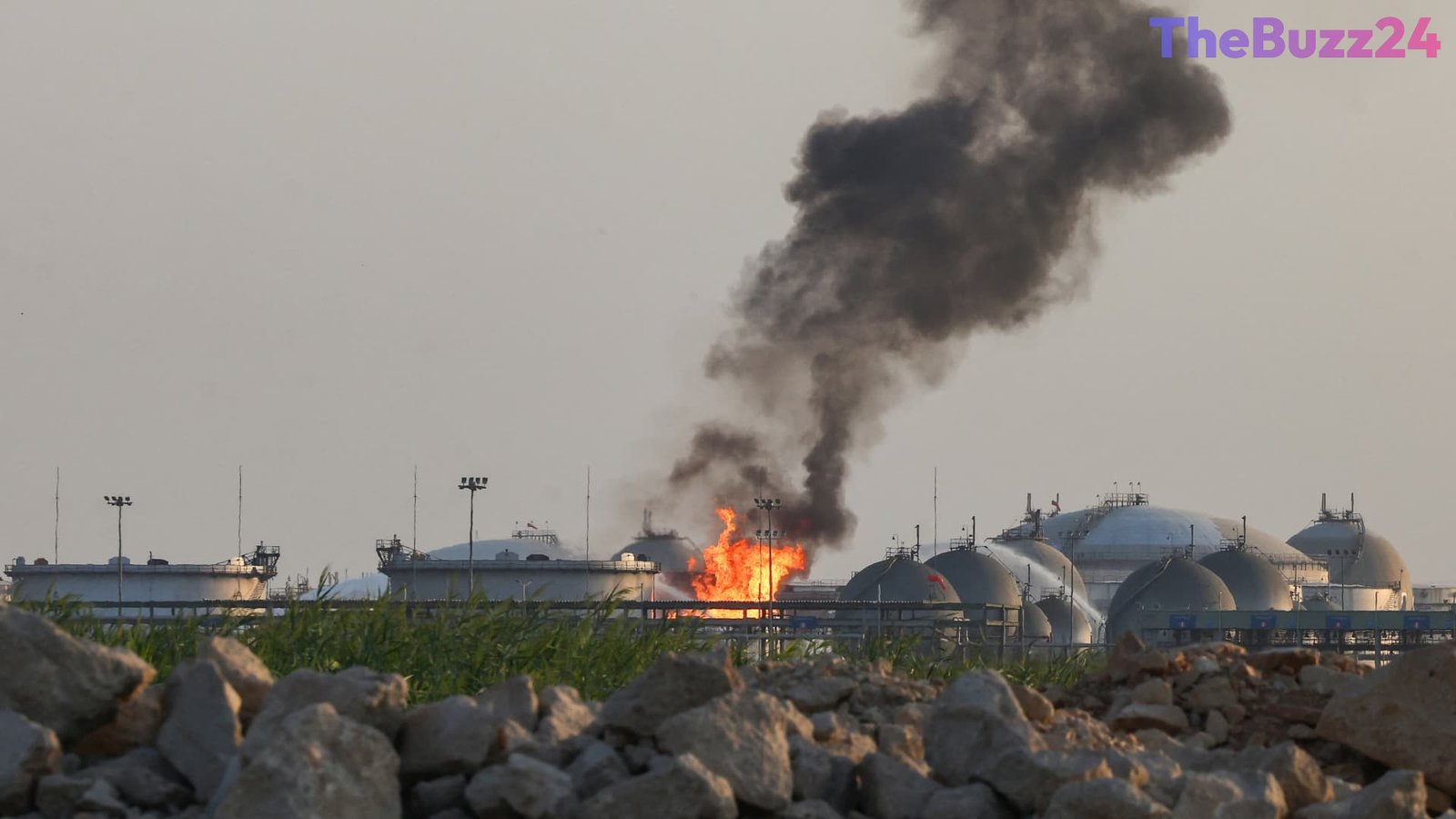
Riyadh was rocked by loud explosions on Thursday as Yemen’s Houthi rebels intensified their missile campaign against Saudi Arabia, causing widespread disruption in the capital. The strikes targeted key infrastructure, including King Khalid International Airport, leading to significant flight delays and cancellations. In response to the security threat, several multinational corporations operating within the King Abdullah Financial District (KAFD) instructed their employees to work from home, while local schools advised sheltering in place.
The escalation marks a violent resurgence of Yemen’s civil war, which had largely stalled following a 2022 ceasefire. Recently, Houthi forces seized critical stretches of the Red Sea coast, including the strategically vital Bab el-Mandeb Strait, threatening global shipping lanes and oil exports. In response, Saudi-backed government forces launched counter-offensives to reclaim these maritime corridors. However, the Houthis have maintained pressure on land, advancing to surround Taiz, Yemen’s third-largest city, and displacing over 200,000 civilians in the renewed fighting.
As the conflict threatens to expand into a broader regional proxy war, Saudi Arabia is actively mobilizing international support. Under the newly formed Mecca Pact, Turkey has committed to providing defensive and technical assistance, including intelligence sharing and advanced weapons systems. Pakistan has also stepped up, deploying troops to secure Saudi borders and flying military hardware to government forces in Aden. Most notably, Syria is reportedly evaluating military options, which could range from defensive aid to direct offensive deployments to counter the Houthi advances.
Key Takeaways
- Houthi ballistic missile strikes on Riyadh have disrupted flights at King Khalid International Airport and forced businesses in the financial district to implement work-from-home protocols.
- The reignited conflict has displaced over 200,000 people and threatens critical global shipping routes along the Bab el-Mandeb Strait.
- Saudi Arabia is securing international military backing, with Turkey, Pakistan, and potentially Syria offering defensive and logistical support.
Editor’s Analysis & Impact
The resurgence of the Saudi-Houthi conflict carries severe implications for global energy markets and maritime security. By targeting Riyadh and threatening the Bab el-Mandeb Strait—a crucial chokepoint for international oil and cargo transit—the Houthis are directly challenging global supply chain stability. The involvement of regional heavyweights like Turkey, Pakistan, and potentially Syria signals a dangerous internationalization of the conflict. For global markets, this escalation raises the premium on geopolitical risk, threatening to spike oil prices and insurance rates for commercial shipping in the Red Sea. If the Mecca Pact allies deepen their active military involvement, the conflict could morph from a localized civil war into a multi-state regional confrontation, further complicating diplomatic efforts to stabilize the Middle East.
Frequently Asked Questions
Q: Why are the Houthis targeting Riyadh?
A: The Houthis have escalated strikes on Saudi Arabia's capital to pressure the kingdom to halt its military and logistical support for Yemen's internationally recognized government, which recently launched counter-attacks to reclaim strategic territories.
Q: What is the significance of the Bab el-Mandeb Strait in this conflict?
A: The Bab el-Mandeb Strait is a vital maritime gateway for global trade and oil shipments. Houthi control or disruption of this waterway threatens international commerce and energy security, drawing global attention and military responses to the region.
Q: How are international allies supporting Saudi Arabia?
A: Under the Mecca Pact, Turkey is providing defensive equipment and intelligence sharing, while Pakistan has deployed troops to defend Saudi borders and sent military hardware to Yemen. Syria is also actively considering options to provide military assistance.
AI Disclosure: This article is based on verified data and official reports. Our Team and AI have cross-referenced every financial detail with primary sources to ensure total accuracy.
More from this Category