Treasury Department Advisor Signals Potential Decline in Historic Bond Yields
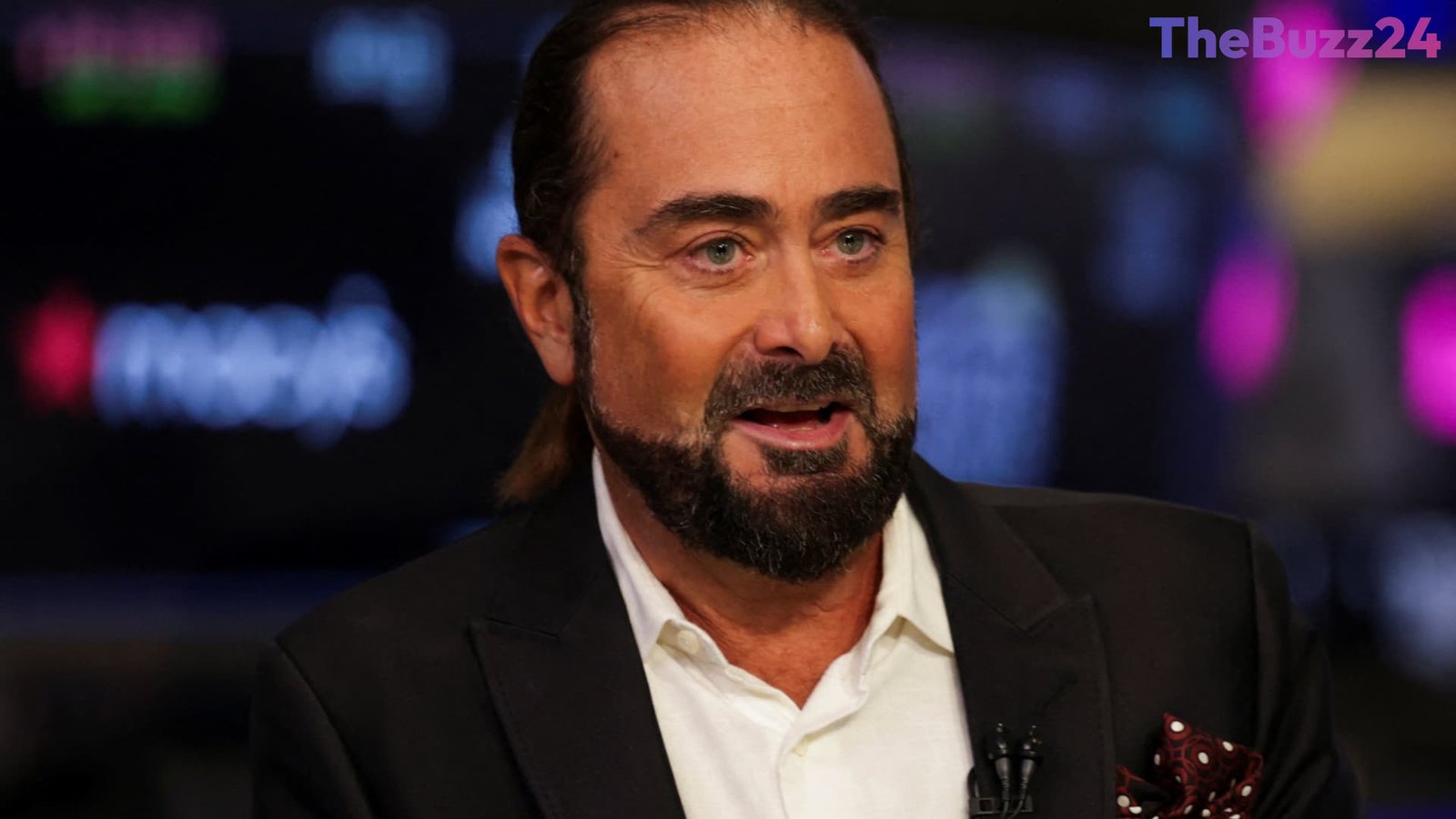
U.S. Treasury yields, which have recently climbed to their highest levels in 24 years, may soon see a cooling period according to David Zervos, a senior counselor to Treasury Secretary Scott Bessent. The recent surge in 10-year and 30-year Treasury yields has caused significant concern among bond traders and has placed considerable pressure on consumer borrowing costs, particularly for home mortgages.
Zervos noted that current real yields are exceptionally high by historical standards, suggesting that there is significant room for a downward adjustment in the near future. While global bond markets have experienced volatility due to shifting interest rate expectations and heavy corporate investment in artificial intelligence infrastructure, Zervos maintains that the long-term outlook for inflation and interest rates remains relatively stable.
Addressing the broader economic landscape, Zervos pointed out that the current rate environment is a global phenomenon rather than one isolated to the United States. He highlighted that nations such as Germany, France, Italy, and Japan are experiencing similar upward pressure on yields. Furthermore, he characterized the surge in corporate spending on AI as a positive long-term economic indicator, despite the short-term strain it places on borrowing costs.
Looking ahead, Zervos suggested that the current pressure on yields is likely to subside once the energy market stabilizes following the ongoing conflict involving the U.S. and Iran. While the rise in crude oil prices has contributed to economic friction, he remains optimistic that the U.S. economy will continue to outperform many other developed markets as these temporary shocks resolve.
Key Takeaways
- Senior Treasury advisor David Zervos believes current 24-year high bond yields are likely to decline as historical norms reassert themselves.
- The rise in yields is attributed to a global trend of interest rate adjustments and heavy corporate investment in AI infrastructure rather than a U.S.-specific issue.
- Energy market volatility stemming from geopolitical conflict is viewed as a temporary factor currently pressuring borrowing costs.
Editor’s Analysis & Impact
The commentary from the Treasury Department suggests a strategic attempt to calm bond market volatility by framing current yield spikes as a transient reaction to global energy shocks and rapid technological investment. By emphasizing that the U.S. is outperforming other developed nations, the administration is signaling confidence in the underlying strength of the domestic economy. However, the market remains sensitive to Federal Reserve policy shifts and the potential for persistent inflation. If the anticipated cooling of yields does not materialize, consumer borrowing power—particularly in the housing sector—could face prolonged stagnation. Investors should monitor energy prices and central bank communications closely, as these remain the primary catalysts for the current yield environment. The long-term outlook hinges on whether AI-driven productivity gains can offset the costs of capital in the coming fiscal quarters.
Frequently Asked Questions
Q: Why have U.S. Treasury yields reached 24-year highs?
A: The surge is driven by a combination of global interest rate hikes, increased corporate borrowing to fund AI infrastructure, and energy market volatility caused by geopolitical conflicts.
Q: Does the Treasury Department view the current high-yield environment as permanent?
A: No, senior advisors believe that current real yields are historically high and expect them to moderate once temporary energy shocks subside and market conditions stabilize.
AI Disclosure: This article is based on verified data and official reports. Our Team and AI have cross-referenced every financial detail with primary sources to ensure total accuracy.
More from this Category