Former Defense Chief Warns Protracted Iran Conflict Diverts Focus From China’s Rise
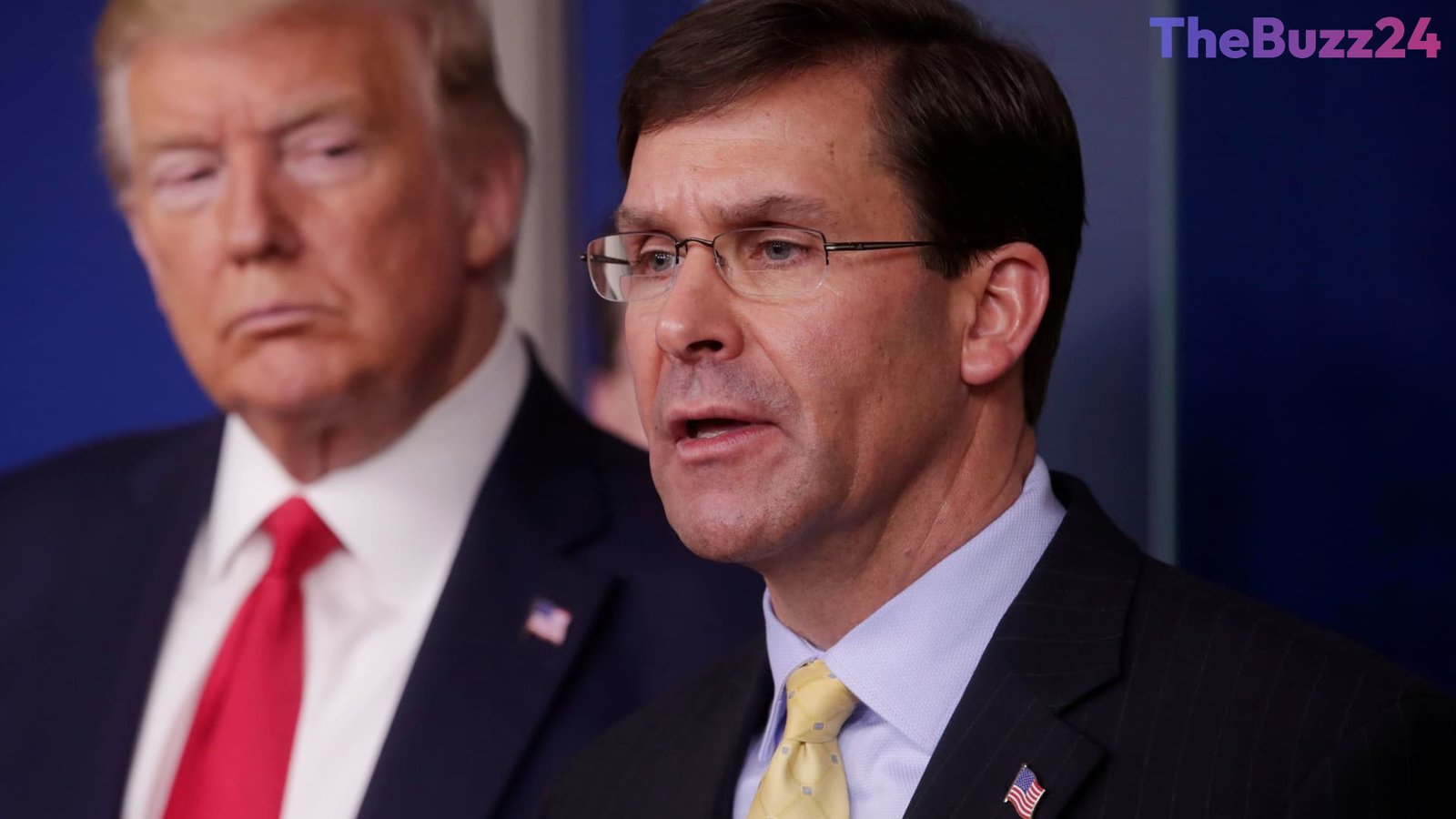
Former U.S. Defense Secretary Mark Esper has warned that the ongoing military engagement with Iran could persist for years, potentially stretching well into future presidential terms and sidelining Washington’s strategic focus on Beijing.
Speaking at a high-level summit in London, Esper projected that the conflict could easily be handed off to a subsequent administration if a viable diplomatic resolution cannot be reached. Securing a deal that restores the critical Strait of Hormuz to its status quo while surpassing previous nuclear agreements presents a monumental challenge for current leadership, according to the former defense official.
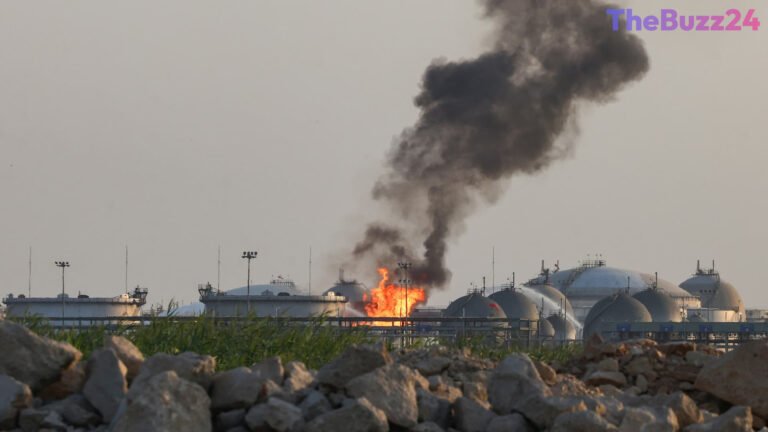
The conflict, currently marked by an American blockade and intermittent escalations, tests Washington’s capacity for strategic patience. While long advocating for the economic isolation of Tehran, Esper noted that democratic governments often struggle to maintain the discipline required for prolonged economic pressure campaigns without succumbing to political impatience.
Meanwhile, the heavy concentration of diplomatic and military resources in the Middle East risks creating a dangerous blind spot regarding the Indo-Pacific. Esper emphasized that China remains America’s primary strategic competitor, steadily expanding its military, technological, and economic dominance while Western powers remain preoccupied with regional conflicts. Beijing’s long-term ambitions to reshape global governance through industrial dominance in sectors like electric vehicles and critical minerals demand a coordinated, multi-lateral response that transcends current military distractions.
Key Takeaways
- Former Defense Secretary Mark Esper warns the U.S.-Iran conflict could stretch on for years without a clear resolution.
- Prolonged entanglement in the Middle East risks distracting Washington from addressing the rising strategic threat posed by China.
- China continues to build its economic, technological, and military capabilities while Western powers focus on regional conflicts.
Editor’s Analysis & Impact
The ongoing protracted conflict in the Middle East highlights a fundamental dilemma in modern U.S. foreign policy: resource allocation between immediate regional crises and long-term great power competition. As military and diplomatic bandwidth remains tied up in the Persian Gulf, Beijing continues to methodically execute its long-term strategy for technological and economic dominance in the Indo-Pacific. For investors and geopolitical analysts, this dynamic suggests that defense spending, supply chain security, and Indo-Pacific alliances will remain critical focal points regardless of changes in U.S. leadership. The inability to cleanly resolve the Iranian standoff threatens to further erode America’s relative advantage against its primary strategic adversary over the coming decades.
Frequently Asked Questions
Q: How long does Mark Esper expect the conflict with Iran to last?
A: Mark Esper has stated that the conflict could continue well into future years, potentially being handed off to the next U.S. administration if negotiations stall.
Q: Why does Esper believe the Middle East focus is problematic?
A: He argues that an excessive focus on the Middle East distracts the United States from addressing China's rapid military, economic, and technological buildup.
AI Disclosure: This article is based on verified data and official reports. Our Team and AI have cross-referenced every financial detail with primary sources to ensure total accuracy.
More from this Category