The Race to a Trillion: Who Will Follow Elon Musk into the Record Books?
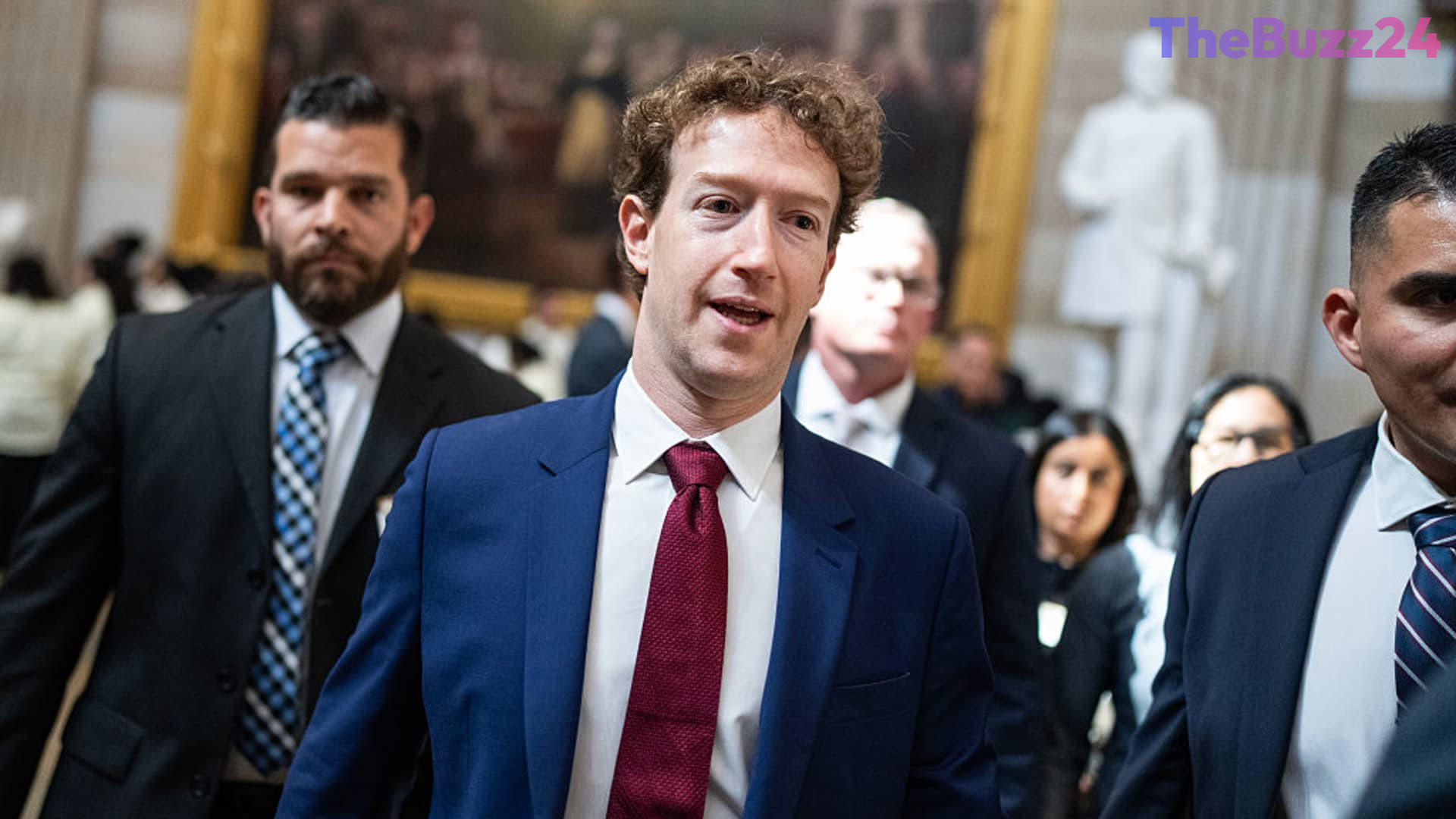
Following Elon Musk’s historic ascent to become the world’s first trillionaire, fueled by the public market debut of SpaceX, market speculators are now turning their attention to who might claim the title of the world’s second trillionaire. Prediction markets are currently signaling that Meta CEO Mark Zuckerberg is the frontrunner for this milestone, though the path remains steep and uncertain.
Data from prediction platforms suggests that Zuckerberg holds a 32% probability of reaching the 13-digit net worth threshold. With a current net worth hovering just under $200 billion, the Meta founder would need to see his wealth increase fivefold to reach the trillion-dollar mark. These speculative contracts are time-bound, with expiration dates set for 2033, reflecting the significant growth required to achieve such a valuation within the next decade.
Following Zuckerberg, Nvidia CEO Jensen Huang is viewed as the next most likely candidate, with traders assigning him a 21% chance of reaching the milestone. Interestingly, while Dell Technologies CEO Michael Dell currently maintains a higher net worth than both Zuckerberg and Huang, market participants assign him only a 6% probability of becoming the second trillionaire. Despite the skepticism from traders, some economic projections suggest that the global economy could see as many as five trillionaires emerge within the next ten years, indicating that the concentration of extreme wealth remains a significant trend in the modern financial landscape.
Key Takeaways
- Mark Zuckerberg is currently favored by prediction markets as the most likely candidate to become the world's second trillionaire.
- Nvidia CEO Jensen Huang holds the second-highest probability, while Michael Dell is viewed as a distant third despite his current higher net worth.
- Market participants remain cautious, with no individual currently holding more than a 50% probability of reaching the trillion-dollar milestone by 2033.
Editor’s Analysis & Impact
The emergence of the ‘trillionaire’ class represents a shift in global wealth accumulation, driven largely by the explosive growth of AI-integrated technology and private space exploration. The market’s focus on Zuckerberg and Huang highlights the dominance of the tech sector in driving extreme capital gains. However, the low confidence levels in prediction markets underscore the immense difficulty of quintupling a multi-billion dollar fortune. The discrepancy between current net worth and predicted outcomes for figures like Michael Dell suggests that traders are betting on future growth potential and industry scalability rather than current liquid assets. As wealth inequality continues to be a focal point of global economic discourse, the rise of these individuals will likely invite increased scrutiny regarding corporate influence, tax policy, and the sustainability of such rapid wealth concentration.
Frequently Asked Questions
Q: What is the primary factor driving the potential for new trillionaires?
A: The primary drivers are the rapid expansion of the artificial intelligence sector and the successful commercialization of space exploration, as seen with SpaceX.
Q: Why is Michael Dell's probability lower than Zuckerberg's despite having a higher current net worth?
A: Prediction markets often prioritize the growth trajectory and future market potential of a company over current net worth. Traders likely view Meta's and Nvidia's long-term growth prospects in AI and social platforms as having higher upside potential than Dell Technologies.
AI Disclosure: This article is based on verified data and official reports. Our Team and AI have cross-referenced every financial detail with primary sources to ensure total accuracy.
More from this Category