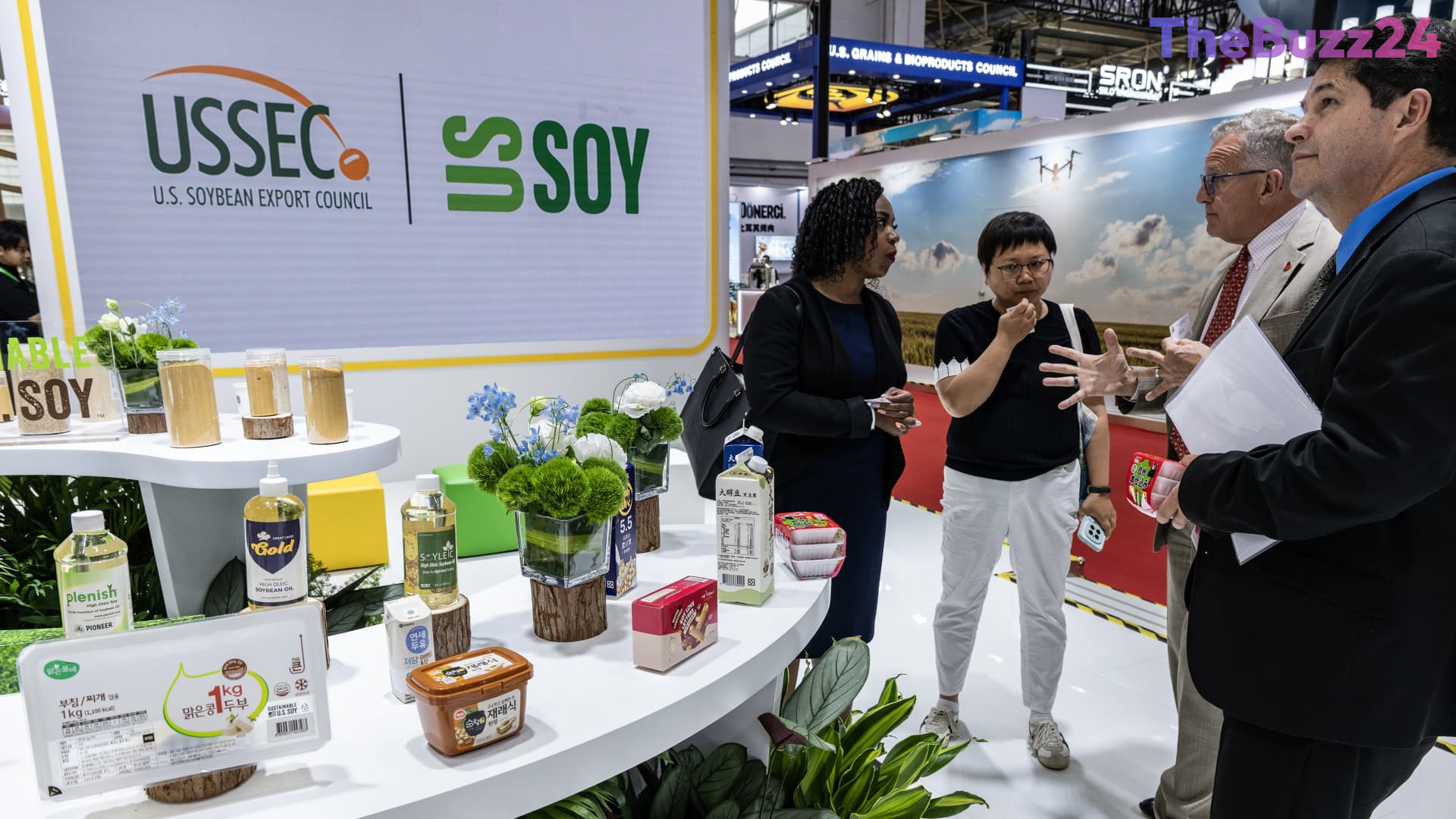
U.S. Farmers Pivot to Quality as They Battle Brazil for Chinese Soybean Dominance
American agricultural exporters are launching a strategic campaign to reclaim market share in China, the world’s largest soybean importer, by highlighting the superior quality and production standards of U.S. crops. As Brazil continues to capture a larger portion of Chinese demand, U.S. industry representatives are emphasizing technical differences in harvest conditions and nutritional profiles to differentiate their product from South American competitors.
Recent data highlights the scale of the challenge, with Brazil now supplying over 60% of China’s soybean imports, while the U.S. share has fluctuated significantly due to geopolitical tensions and trade tariffs. In response, U.S. officials and industry leaders are focusing on long-term supply chain resilience and educational outreach to Chinese buyers, showcasing advanced farming techniques and crop rotation practices that ensure consistent quality for animal feed and other industrial applications.
Despite the competitive landscape, there are signs of stabilization. Following high-level diplomatic discussions, China has begun fulfilling purchase commitments, with recent reports indicating a modest uptick in orders for upcoming harvests. While export volumes remain below historical peaks, industry experts are cautiously optimistic that a combination of renewed trade agreements and a focus on high-quality agricultural standards will help the U.S. regain its footing in the Chinese market over the coming years.
Key Takeaways
- U.S. exporters are emphasizing crop quality and specific harvest conditions to compete with Brazil's dominant market share in China.
- Brazil currently supplies over 60% of China's soybean imports, a significant shift from the parity seen a decade ago.
- Recent diplomatic agreements have led to a modest increase in Chinese purchase commitments, with industry leaders projecting a gradual recovery in export volumes.
Editor’s Analysis & Impact
The struggle for the Chinese soybean market reflects a broader shift in global agricultural trade, where food security concerns have driven Beijing to aggressively diversify its supply chains. By favoring Brazil, China has effectively reduced its reliance on U.S. imports, creating a structural hurdle for American farmers. The U.S. strategy to pivot toward ‘quality’ and ‘sustainability’ is a necessary defensive move, but it faces stiff competition from Brazil’s cost-efficiency and scale. Future market dynamics will likely depend on whether the U.S. can maintain consistent trade policy stability. If geopolitical tensions remain high, the U.S. may struggle to return to its previous export peaks, forcing American producers to seek further diversification in other emerging markets to mitigate the risk of over-reliance on a single, volatile trade partner.
Frequently Asked Questions
Q: Why has Brazil become the primary supplier of soybeans to China?
A: Brazil gained a larger market share primarily after 2018, when U.S. tariffs on China led Beijing to diversify its sourcing to ensure food security and reduce dependence on American agricultural products.
Q: What is the U.S. strategy to win back Chinese buyers?
A: The U.S. is focusing on educating Chinese buyers about the superior quality, nutritional value, and sustainable production methods of American soybeans compared to those grown in South America.
AI Disclosure: This article is based on verified data and official reports. Our Team and AI have cross-referenced every financial detail with primary sources to ensure total accuracy.
More from this Category