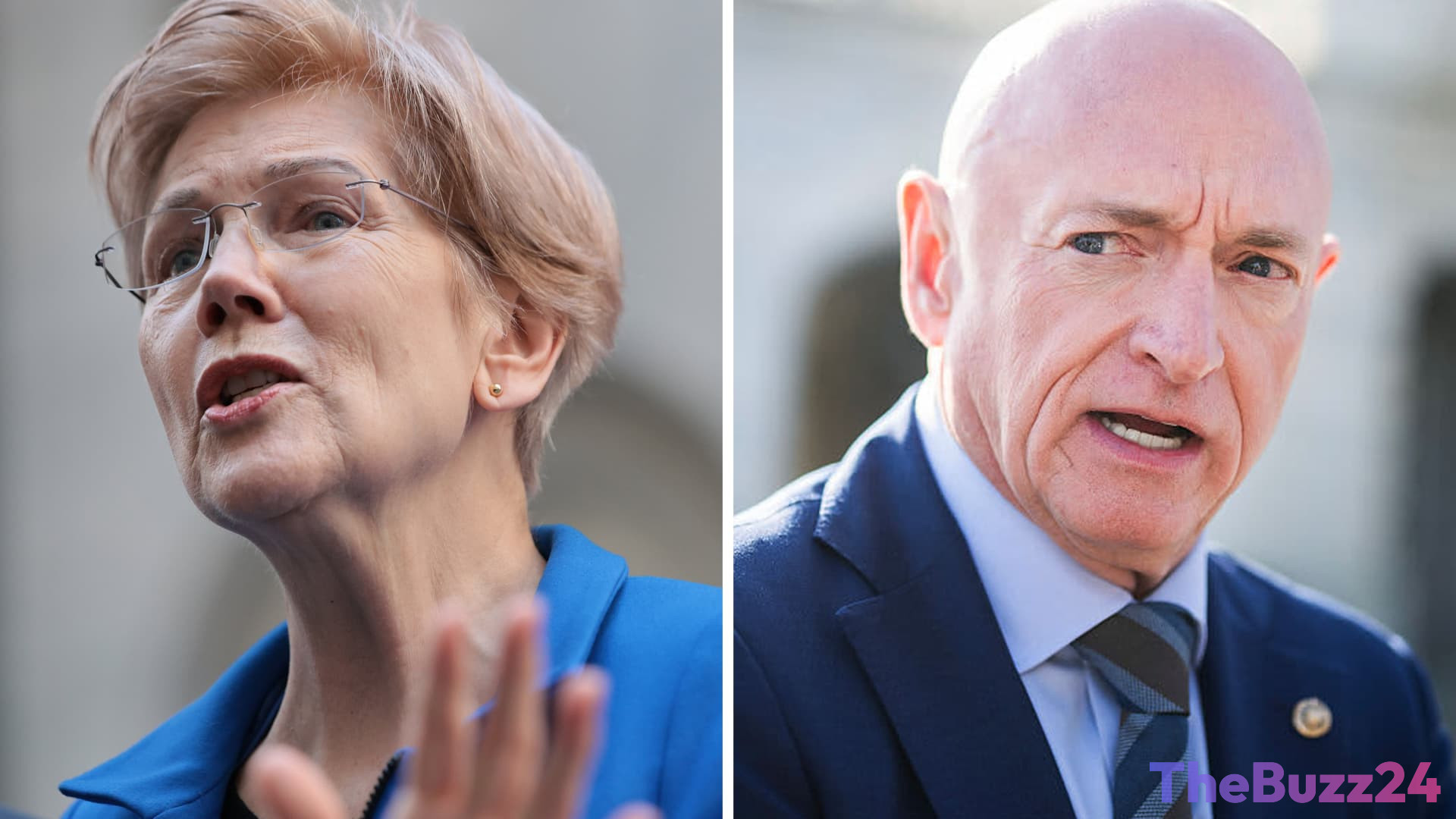
Democratic Senators Challenge Trump Administration Over Tariff Impact on Manufacturing Jobs
Democratic Senators Elizabeth Warren of Massachusetts and Mark Kelly of Arizona have launched a direct challenge against the Trump administration’s trade policies. In a jointly signed letter addressed to key Cabinet officials—including U.S. Trade Representative Jamieson Greer, Treasury Secretary Scott Bessent, and Commerce Secretary Howard Lutnick—the lawmakers demanded accountability for what they describe as a failing tariff strategy. They argue that instead of delivering the promised domestic manufacturing boom, the administration’s aggressive import taxes have actively harmed blue-collar workers and accelerated job losses.
The senators pointed to recent economic indicators to back their claims, highlighting a Joint Economic Committee analysis which revealed that the U.S. economy shed approximately 108,000 manufacturing jobs during the first year of President Trump’s second term. Furthermore, data from the Federal Reserve Bank of St. Louis indicates that total construction spending on manufacturing facilities has steadily declined since peaking in the summer of 2024. Despite the administration’s efforts to narrow the overall global trade deficit, the deficit specifically for physical goods reached a historic high in early 2025.
Warren and Kelly also highlighted high-profile corporate decisions as evidence that tariffs have failed to halt offshoring. They cited the closure of an Ohio-based brass instrument manufacturing plant owned by Trump ally John Paulson, which is relocating operations to China, as well as appliance giant Whirlpool, which cut nearly 500 domestic jobs while expanding its manufacturing footprint in Mexico. According to the lawmakers, these developments demonstrate that the administration’s trade agenda has ultimately favored wealthy corporations at the expense of American laborers.
The ongoing political battle over trade comes amid a complex legal landscape. Although the Supreme Court struck down a significant portion of the administration’s initial tariffs—which were implemented under the International Emergency Economic Powers Act (IEEPA)—the White House quickly bypassed the ruling by leveraging alternative statutory authorities to impose new import taxes. Warren and Kelly’s letter formally requests that the administration explain the widening manufactured goods deficit and outline concrete steps to mitigate the economic strain placed on American families and small businesses.
Key Takeaways
- Senators Elizabeth Warren and Mark Kelly have formally challenged the Trump administration's tariff policies, claiming they have harmed blue-collar workers and failed to boost domestic manufacturing.
- Economic data cited by the lawmakers shows a loss of 108,000 manufacturing jobs in the first year of Trump's second term, alongside a record-high trade deficit in physical goods.
- The senators highlighted instances of offshoring, such as Whirlpool expanding in Mexico and a plant owned by Trump ally John Paulson relocating to China, to argue that tariffs are failing to protect American jobs.
Editor’s Analysis & Impact
The escalating friction between congressional Democrats and the Trump administration highlights a fundamental debate over the efficacy of protectionist trade policies. While tariffs are politically framed as a tool to shield domestic industries and encourage local manufacturing, the immediate economic fallout often tells a different story. Supply chain disruptions, retaliatory measures, and increased raw material costs can squeeze profit margins, forcing companies to downsize or relocate to maintain competitiveness. The transition of manufacturing jobs to countries like Mexico and China, even under heavy tariff regimes, suggests that structural economic factors—such as labor costs and global supply chain integration—often override import taxes. Moving forward, the administration’s persistence in using alternative legal avenues to enforce tariffs, despite judicial pushback, indicates that trade volatility will remain a defining challenge for U.S. businesses and global markets.
Frequently Asked Questions
Q: Why are Senators Warren and Kelly criticizing the administration's tariffs?
A: The senators argue that the tariffs have failed to spark the promised manufacturing boom, instead leading to the loss of 108,000 manufacturing jobs, a record-high trade deficit in physical goods, and continued offshoring of American jobs.
Q: Which companies were cited as examples of offshoring despite the tariffs?
A: The lawmakers pointed to Whirlpool, which cut nearly 500 U.S. jobs while expanding in Mexico, and a brass instrument manufacturing plant in Ohio owned by John Paulson, which is relocating its operations to China.
Q: How has the administration maintained tariffs despite Supreme Court pushback?
A: After the Supreme Court struck down tariffs imposed under the International Emergency Economic Powers Act (IEEPA), the administration utilized alternative statutory authorities to implement a new set of import taxes.
AI Disclosure: This article is based on verified data and official reports. Our Team and AI have cross-referenced every financial detail with primary sources to ensure total accuracy.
More from this Category