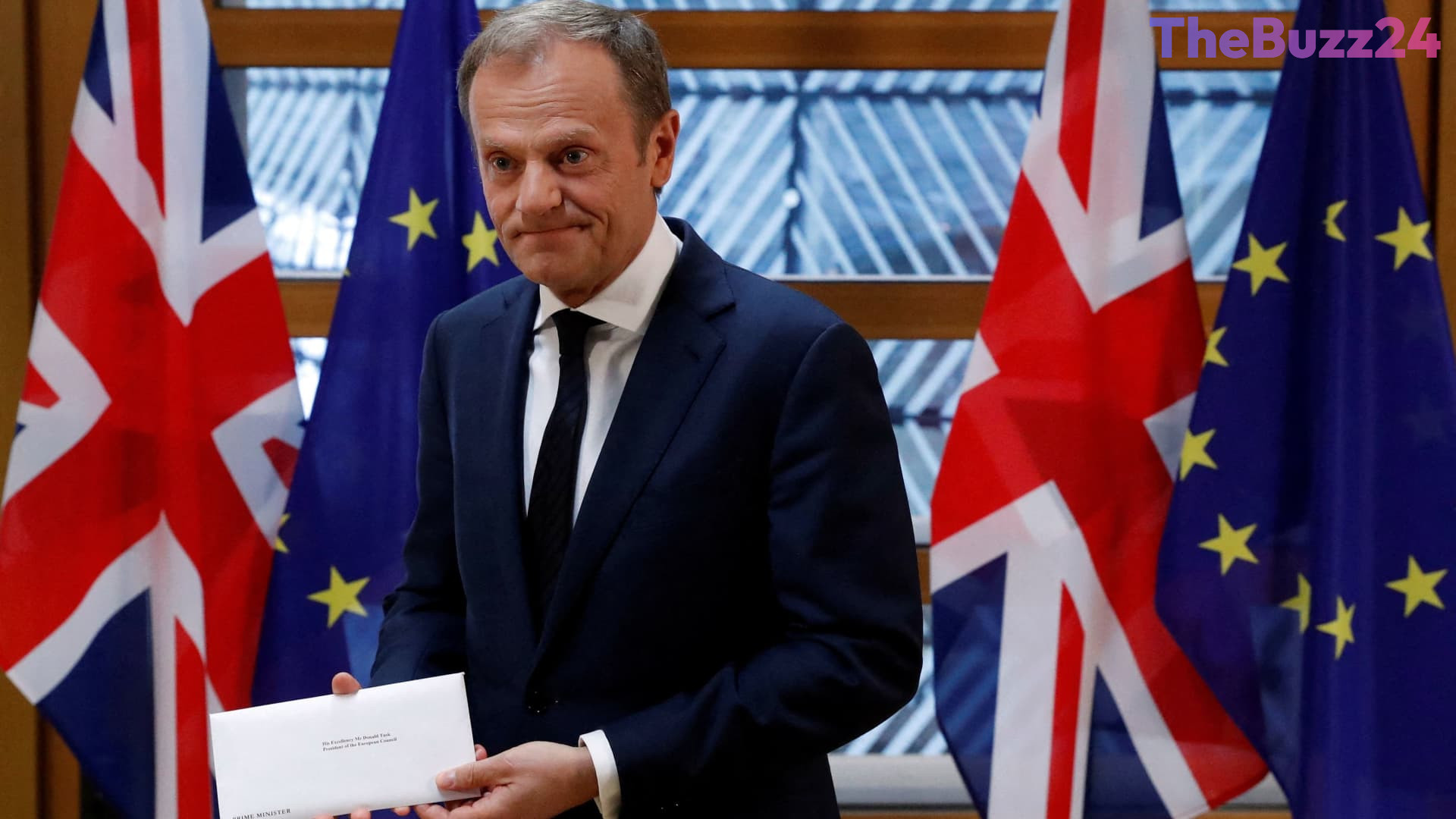
A Decade of Divergence: Assessing the Long-Term Impact of Brexit on the UK
It has been ten years since the United Kingdom voted to depart from the European Union, a seismic political shift that promised to reclaim national sovereignty, overhaul immigration policy, and unlock new global trade opportunities. As the dust settles on a decade of transition, the economic and political landscape of the nation remains fundamentally altered, with many of the original campaign promises facing complex, often unintended, realities.
The economic consequences have been significant, with experts estimating that the protracted Brexit process has reduced the U.K.’s GDP by 6-8% compared to pre-referendum projections. This stagnation has been compounded by global shocks, yet the specific challenges of elevated uncertainty, reduced business investment, and the logistical hurdles of exiting the single market have left the U.K. struggling to find a post-Brexit growth engine. The pound sterling, which plummeted immediately following the 2016 vote, has largely remained 10% below its pre-referendum value, contributing to a higher cost of living for a nation heavily reliant on imports.
Immigration and trade dynamics have also undergone a radical transformation. While the government sought to control borders, the post-Brexit system has seen a sharp decline in EU migration, replaced by a surge in non-EU arrivals driven by labor shortages and humanitarian visa schemes. Meanwhile, the U.K. stock market has struggled to keep pace with global peers; the domestically-focused FTSE 250 has lagged behind the multinational FTSE 100, and both have failed to match the explosive growth seen in U.S. markets. Politically, the era has been defined by extreme volatility, with a rapid succession of prime ministers struggling to navigate the complexities of the new relationship with Europe.
Ultimately, the U.K. continues to grapple with the structural changes initiated in 2016. While a trade deal exists to prevent tariffs, the friction of new regulatory barriers continues to weigh on business confidence. As the nation looks toward the future, the challenge remains in reconciling the political mandate of the referendum with the practical necessity of fostering a competitive, stable, and prosperous economy in a post-EU world.
Key Takeaways
- Brexit is estimated to have reduced the U.K.'s GDP by 6-8% due to prolonged uncertainty and trade friction.
- The pound sterling has remained roughly 10% lower than its pre-2016 value, increasing the cost of imported goods.
- Political instability has been a hallmark of the decade, with a high turnover of prime ministers and shifting immigration patterns.
Editor’s Analysis & Impact
The decade following the Brexit vote serves as a cautionary tale regarding the economic costs of decoupling from a major trading bloc. The U.K.’s experience highlights how ‘taking back control’ often introduces new, hidden costs—specifically in the form of regulatory friction, currency devaluation, and reduced investor confidence. Unlike the U.S. market, which has been buoyed by a tech-led bull run, the U.K. has been trapped in a cycle of domestic political churn and structural adjustment. Looking forward, the U.K. faces the difficult task of re-establishing its global competitiveness without the seamless access to its largest market. The long-term outlook suggests that unless the U.K. can successfully pivot toward high-growth sectors or negotiate significantly more favorable trade terms, it will continue to face a challenging environment of lower growth and persistent inflationary pressure compared to its pre-2016 trajectory.
Frequently Asked Questions
Q: Has the U.K. economy grown since the Brexit vote?
A: While the economy has seen activity, it has significantly underperformed compared to pre-referendum projections, with experts estimating a 6-8% reduction in potential GDP growth due to Brexit-related uncertainty and trade barriers.
Q: How has immigration changed in the U.K. post-Brexit?
A: The U.K. has seen a reversal in EU migration, which has turned negative. However, overall net migration has remained high due to an increase in arrivals from non-EU countries, driven by labor shortages and specific visa programs.
AI Disclosure: This article is based on verified data and official reports. Our Team and AI have cross-referenced every financial detail with primary sources to ensure total accuracy.
More from this Category