German Defense Sector Shaken as Multi-Billion Euro Frigate Project Faces Cancellation
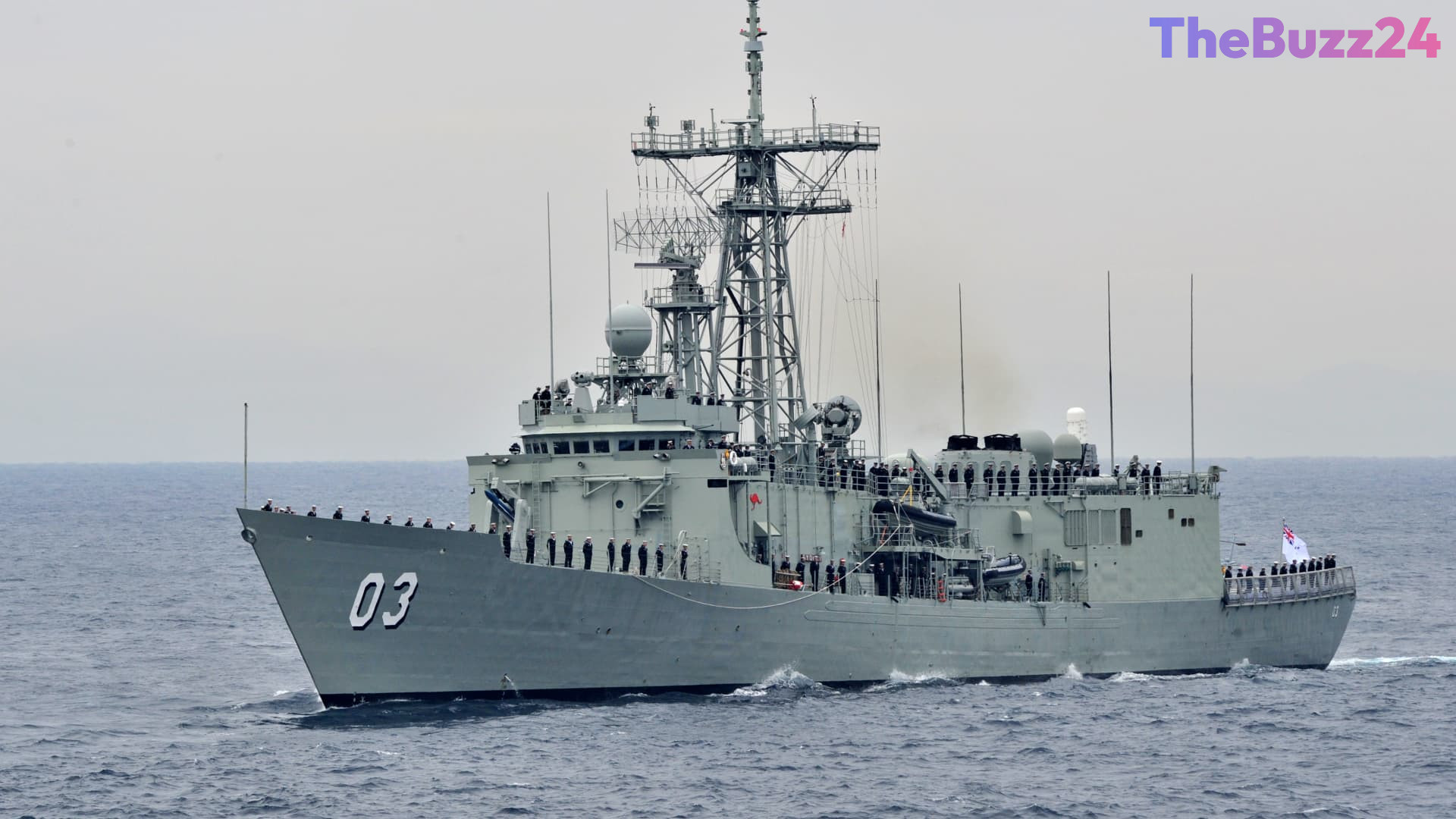
European defense markets experienced a sharp downturn on Wednesday following reports that the German government intends to abandon a massive multi-billion-euro project to construct six F126 frigates. The initiative, which would have represented the nation’s largest warship commission since the Second World War, was expected to be spearheaded by Rheinmetall. Instead, Berlin is reportedly pivoting toward the acquisition of eight smaller Meko A-200 frigates from TKMS.
The market reaction was swift and severe, with Rheinmetall shares suffering a significant decline of up to 19% during midday trading, marking one of the company’s worst single-day performances in decades. Conversely, TKMS saw its stock value climb by 13% on the news. The broader defense sector also felt the pressure, as shares in Hensoldt, Renk, Saab, and Leonardo all trended downward, reflecting growing investor anxiety regarding the stability of long-term government military contracts.
This shift in procurement strategy comes at a time when European defense stocks are already facing headwinds. Investors are increasingly questioning whether the ambitious military spending commitments made by governments in response to geopolitical conflicts will fully materialize. The potential cancellation of the F126 program serves as a major setback for Germany’s stated goal of building the strongest conventional army in Europe by 2039, while simultaneously forcing analysts to re-evaluate the growth targets for major defense contractors.
Key Takeaways
- Germany is reportedly scrapping the multi-billion-euro F126 frigate program, opting instead for eight smaller Meko A-200 vessels.
- Rheinmetall shares plummeted nearly 20% following the news, while TKMS saw a 13% gain.
- The move has triggered broader market concerns regarding the reliability of European defense spending commitments and the future growth trajectory of major military contractors.
Editor’s Analysis & Impact
The sudden pivot in Germany’s naval procurement strategy highlights the inherent volatility in the defense sector, where stock valuations have been heavily predicated on the assumption of sustained, high-level government spending. While the sector has enjoyed a massive rally over the past few years, this development suggests that the ‘defense boom’ may be entering a more selective and cautious phase. Investors are now forced to reconcile the gap between political rhetoric regarding military modernization and the fiscal reality of budget constraints. For companies like Rheinmetall, this loss complicates long-term revenue targets and signals that future growth will depend more on specific project execution rather than broad industry tailwinds. The market is clearly signaling that the era of blind optimism regarding defense contracts is cooling, necessitating a more granular approach to valuing these industrial giants.
Frequently Asked Questions
Q: Why did Rheinmetall's stock price drop significantly?
A: The stock dropped due to reports that the German government is canceling the F126 frigate program, a project for which Rheinmetall was expected to serve as the lead contractor.
Q: What is Germany's new plan for its naval fleet?
A: Instead of the six large F126 frigates, Berlin is reportedly planning to purchase eight smaller Meko A-200 frigates from TKMS.
AI Disclosure: This article is based on verified data and official reports. Our Team and AI have cross-referenced every financial detail with primary sources to ensure total accuracy.
More from this Category