Google Faces Brain Drain as Top AI Talent Flocks to Competitors
Google is grappling with a significant exodus of high-level artificial intelligence researchers, as several key figures behind its most advanced models depart for rival firms. The latest departures include Jonas Adler and Alexander Pritzel, both of whom were instrumental in the development of Google’s Gemini model. The pair has reportedly moved to Anthropic, marking a notable loss for the tech giant’s internal research capabilities.
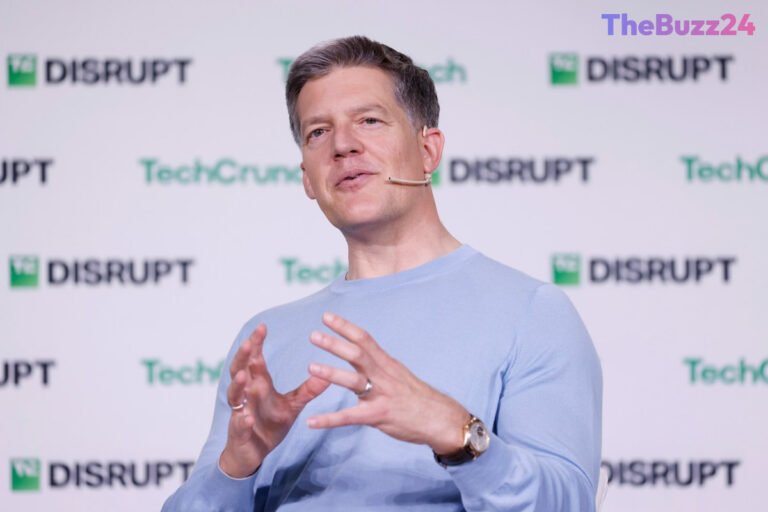
This trend of talent migration has intensified in recent weeks. Noam Shazeer, a veteran researcher who had been with Google for over two decades, recently announced his move to OpenAI. Shazeer’s departure is particularly significant given his history with the company and his role in founding Character.AI, a startup that Google recently brought back into its fold in a multi-billion dollar deal specifically to leverage his expertise for Gemini.
Furthermore, the company has seen the exit of John Jumper, a director at Google DeepMind and a 2024 Nobel Prize in Chemistry laureate for his groundbreaking work on AlphaFold. Jumper is also joining Anthropic. These departures highlight a broader industry shift where top-tier talent is increasingly drawn to competitors like OpenAI and Anthropic, often incentivized by the promise of equity as these organizations move toward potential public offerings.
Key Takeaways
- Key AI researchers Jonas Adler, Alexander Pritzel, and John Jumper have left Google for Anthropic.
- Veteran researcher Noam Shazeer has departed Google to join OpenAI.
- The trend of talent migration is being driven by the competitive landscape and the allure of equity in pre-IPO AI firms.
Editor’s Analysis & Impact
The ongoing migration of elite AI researchers from Google to competitors like OpenAI and Anthropic signals a critical shift in the power dynamics of the artificial intelligence sector. While Google remains a powerhouse in foundational research, the ability of smaller, more agile competitors to attract top-tier talent through equity incentives and focused mission statements poses a long-term threat to Google’s dominance. This ‘brain drain’ suggests that the competitive advantage in the AI race is no longer just about compute power or data access, but about retaining the human capital capable of pushing the boundaries of large language models. As these rival firms move toward public offerings, the pressure on Google to retain its remaining talent will likely intensify, potentially forcing the company to rethink its internal compensation structures and research culture to prevent further erosion of its intellectual property pipeline.
Frequently Asked Questions
Q: Why are top AI researchers leaving Google?
A: Researchers are increasingly drawn to competitors like OpenAI and Anthropic, often motivated by the opportunity to work on cutting-edge projects and the potential for significant financial gains through equity as these companies prepare for public offerings.
Q: Who are some of the notable researchers that recently left Google?
A: Recent high-profile departures include Noam Shazeer, who joined OpenAI, and John Jumper, Jonas Adler, and Alexander Pritzel, who have moved to Anthropic.
AI Disclosure: This article is based on verified data and official reports. Our Team and AI have cross-referenced every financial detail with primary sources to ensure total accuracy.
More from this Category