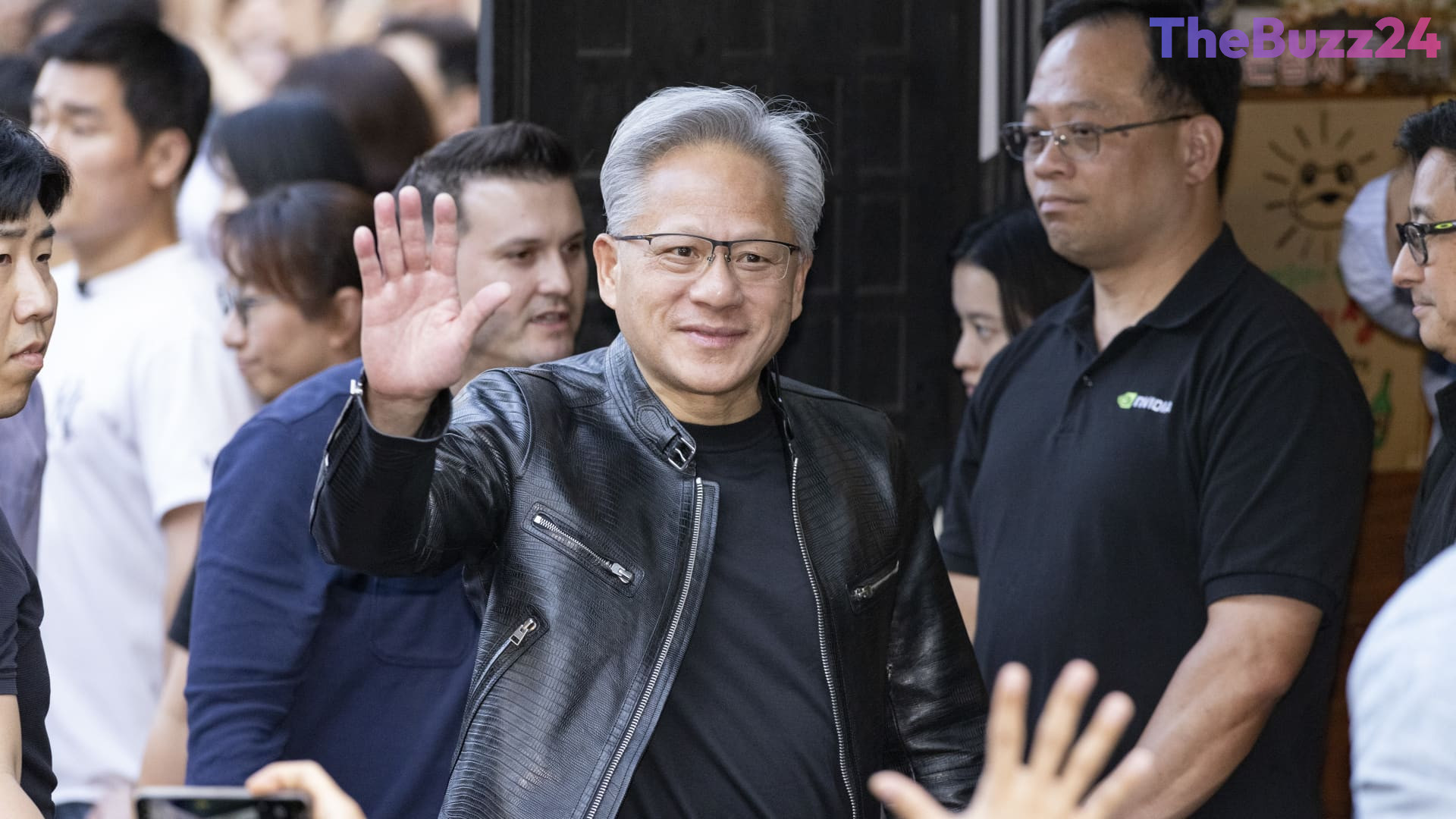
Nvidia CEO Jensen Huang Dismisses Smuggled Hardware as a ‘Dead End’ for AI Infrastructure
Nvidia CEO Jensen Huang has issued a stern warning regarding the viability of building artificial intelligence data centers using illicitly obtained hardware. During the company’s annual shareholder meeting, Huang emphasized that national security remains the company’s top priority, noting that Nvidia will strictly adhere to U.S. export regulations even when it conflicts with commercial opportunities in restricted markets.
Addressing concerns about the smuggling of high-end chips into countries subject to trade sanctions, such as China, Huang argued that such efforts are fundamentally flawed. He explained that modern AI data centers are highly complex, integrated ecosystems that rely on a seamless combination of proprietary hardware, specialized software, and ongoing technical support. Without official access to Nvidia’s software updates, networking protocols, and maintenance services, any attempt to cobble together a functional system using smuggled components is destined to fail.
Beyond the geopolitical landscape, Huang addressed the broader economic outlook for AI, asserting that the debate surrounding return-on-investment for artificial intelligence has been settled. He highlighted that as AI becomes more integrated into workflows—such as code generation—the demand for high-throughput computing power continues to surge. While Nvidia systems carry a premium price tag, Huang maintained that they offer the lowest cost per token and the highest efficiency, ultimately driving significant revenue for the company.
During the meeting, shareholders also finalized several corporate governance matters, including the approval of executive compensation plans and the re-election of the board of directors. Looking ahead, Nvidia reaffirmed its commitment to shareholder value, pledging to return 50% of its free cash flow through dividends and share repurchases over the coming years, bolstered by the company’s robust financial performance.
Key Takeaways
- Nvidia CEO Jensen Huang stated that data centers built with smuggled parts are ineffective due to the lack of necessary software support and system integration.
- The company remains committed to prioritizing U.S. national security and export compliance over potential revenue from restricted regions.
- Nvidia plans to return 50% of its free cash flow to investors through dividends and share buybacks, citing strong growth and high margins.
Editor’s Analysis & Impact
Jensen Huang’s comments underscore the growing reality that AI dominance is no longer just about the physical silicon, but about the ‘moat’ created by software ecosystems and technical support. By framing smuggled hardware as a ‘dead end,’ Nvidia is effectively highlighting the dependency of modern AI infrastructure on its proprietary software stack (CUDA). From a market perspective, this reinforces Nvidia’s position as an indispensable partner for global enterprises, as competitors or black-market alternatives cannot replicate the full-stack reliability required for large-scale AI operations. As geopolitical tensions persist, Nvidia’s strategy of prioritizing U.S. regulatory alignment while focusing on high-efficiency, high-throughput hardware appears designed to insulate the company from long-term volatility, ensuring that its growth remains tethered to legitimate, supported, and high-performance deployments.
Frequently Asked Questions
Q: Why does Jensen Huang believe smuggled Nvidia chips are ineffective?
A: Huang argues that AI data centers require a complex integration of hardware, software, networking, and ongoing support. Smuggled chips lack access to these critical updates and maintenance services, making them unable to function as part of a modern, high-performance AI system.
Q: How is Nvidia planning to reward its shareholders?
A: Nvidia has committed to returning 50% of its free cash flow to investors over the next few years through a combination of share repurchases and dividend payments.
AI Disclosure: This article is based on verified data and official reports. Our Team and AI have cross-referenced every financial detail with primary sources to ensure total accuracy.
More from this Category