The Persistence of Surveillance: How Hacking Tools Remain Active Despite Corporate Bans
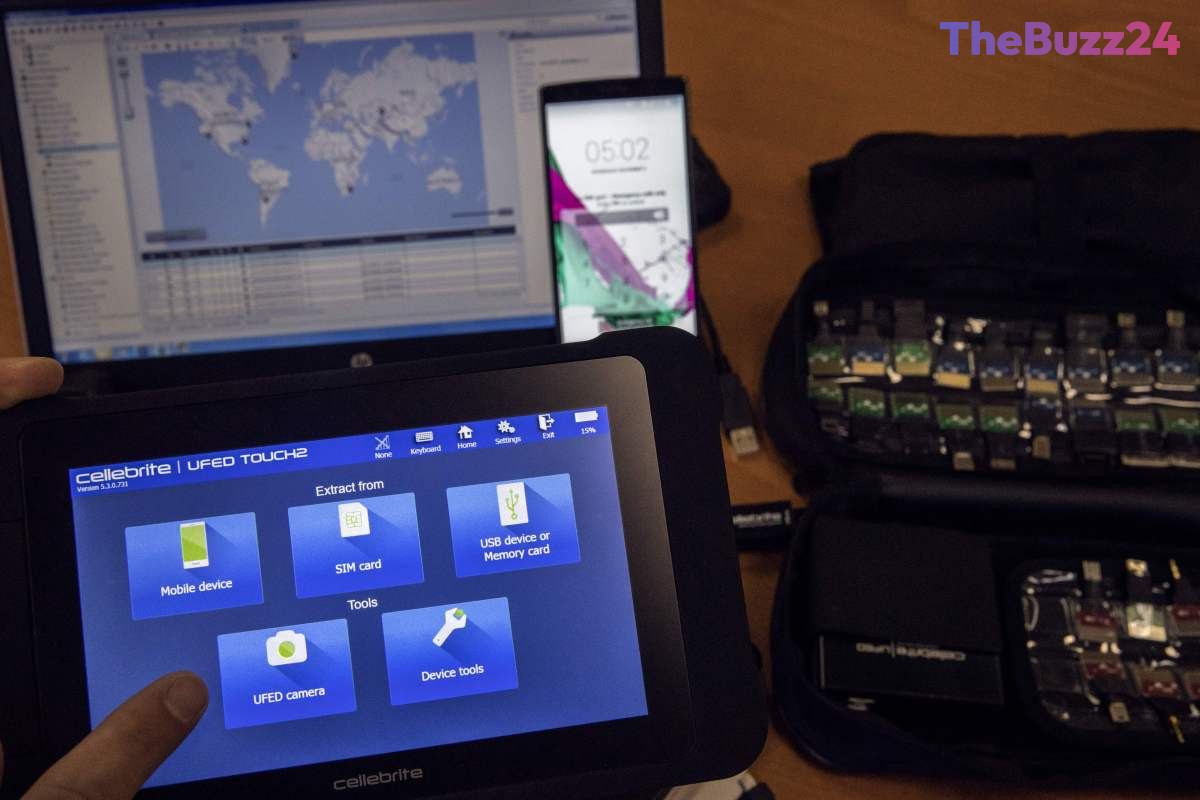
A troubling incident involving the digital forensic firm Cellebrite has highlighted the significant challenges technology companies face when attempting to restrict the use of their surveillance tools by foreign governments. Despite a public commitment to sever ties with Russian authorities in March 2021, evidence suggests that Russian state agencies continued to utilize Cellebrite’s proprietary hardware to compromise the devices of political dissidents long after the supposed cutoff date.
Investigations revealed that Russian officials successfully accessed the iPhone of opposition politician Andrey Pivovarov in June 2021, months after Cellebrite claimed to have terminated all licenses and services within the country. The breach was documented in court filings where Russian authorities explicitly cited the use of the company’s Universal Forensic Extraction Device (UFED) to extract sensitive data, including private messages and political correspondence. This revelation underscores a critical vulnerability in the global surveillance market: once powerful hacking technology is deployed, it is notoriously difficult for manufacturers to effectively disable or reclaim it.
While Cellebrite maintains that any post-2021 usage of its equipment in Russia is unauthorized, the incident has sparked a broader debate regarding corporate accountability. Critics argue that simply revoking software licenses is insufficient, as the physical hardware remains functional in the hands of state actors. Experts are now calling for more robust safeguards, such as the implementation of remote-kill switches and cryptographically signed watermarks, to ensure that companies can maintain control over their technology and prevent its misuse against human rights activists and journalists.
Key Takeaways
- Russian authorities used Cellebrite forensic tools to hack a political dissident's phone months after the company claimed to have cut ties with the Russian government.
- The incident highlights the difficulty of 'recalling' or disabling sophisticated surveillance hardware once it has been sold to foreign entities.
- Experts are calling for stricter technical safeguards, such as remote-disabling capabilities and digital watermarking, to prevent the unauthorized use of forensic technology.
Editor’s Analysis & Impact
This incident serves as a stark reminder of the ‘dual-use’ dilemma inherent in the cybersecurity and forensic technology sectors. When companies sell powerful extraction tools to governments, they effectively lose control over the ethical application of that technology. The market implication is a growing demand for ‘accountable surveillance,’ where manufacturers are held responsible for the entire lifecycle of their products. Future regulations may force companies to build in ‘kill switches’ or forensic audit trails as a standard requirement for export licenses. For the industry, this creates a tension between protecting proprietary technology and ensuring that tools designed for law enforcement are not repurposed for political repression. As global scrutiny intensifies, firms that fail to implement verifiable control mechanisms risk significant reputational damage and potential legal liability in international courts.
Frequently Asked Questions
Q: Did Cellebrite continue to support its Russian clients after March 2021?
A: Cellebrite maintains that it terminated all sales, services, and licenses in Russia in March 2021 and that any subsequent use of its hardware is unauthorized.
Q: How were Russian authorities able to use the tools after the company cut ties?
A: The hardware remained in the possession of Russian agencies, and because the devices were not remotely disabled or 'bricked' by the manufacturer, they remained functional for forensic extraction purposes.
AI Disclosure: This article is based on verified data and official reports. Our Team and AI have cross-referenced every financial detail with primary sources to ensure total accuracy.
More from this Category