Pakistan’s Diplomatic Pivot: Balancing Regional Peace and Economic Survival
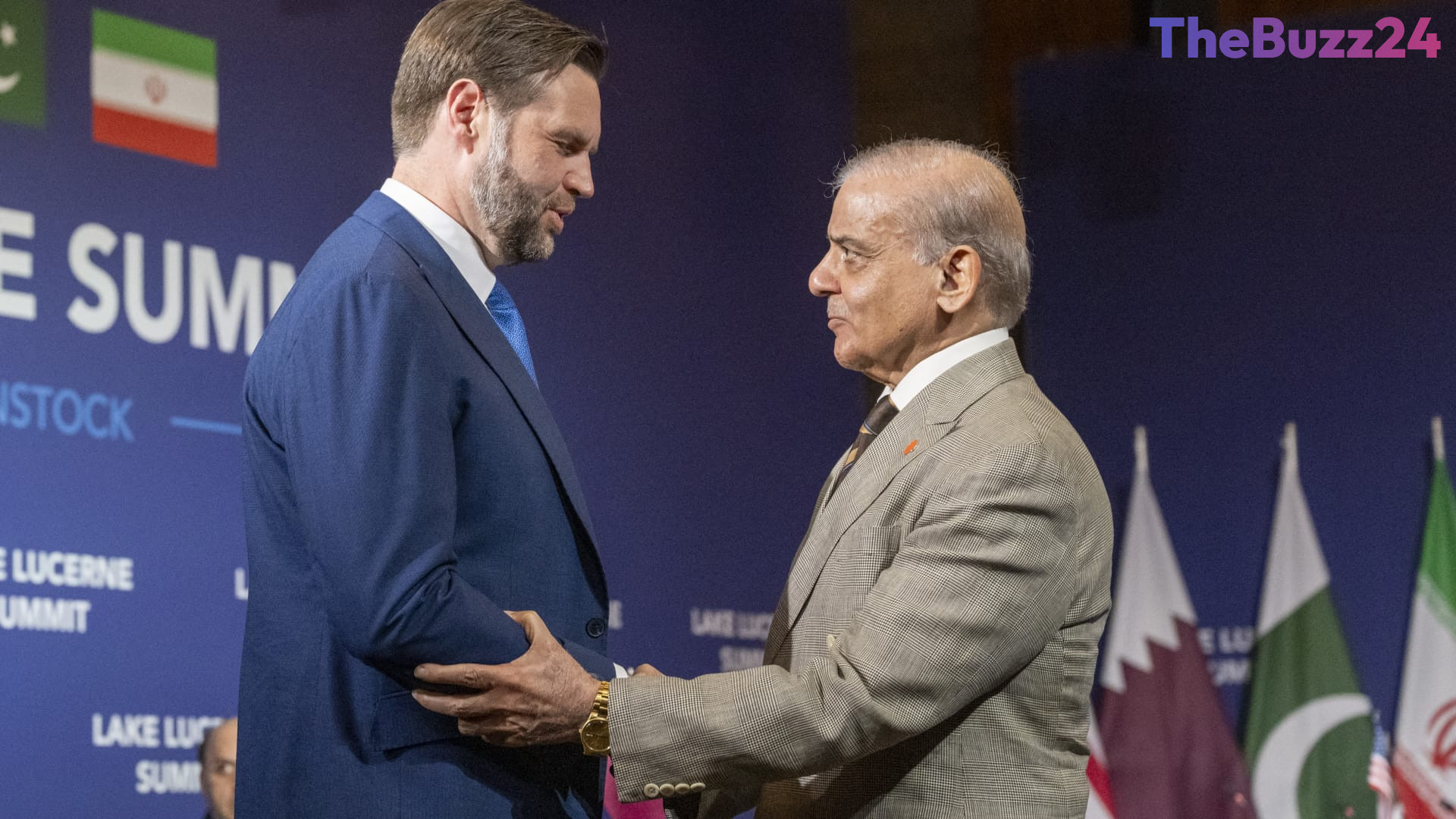
Pakistan has emerged as a pivotal mediator in the effort to resolve the conflict involving Iran, a move driven by the urgent necessity to prevent regional instability from spilling across its 900-kilometer shared border. By positioning itself as a key peacemaker, Islamabad has successfully elevated its diplomatic standing, earning significant praise from U.S. leadership, including Vice President JD Vance, who specifically lauded the statesmanship of Prime Minister Shehbaz Sharif and Field Marshal Asim Munir in facilitating the peace process.
Beyond the immediate security concerns, Pakistan’s involvement is deeply rooted in its precarious economic situation. The nation has faced years of fiscal strain, characterized by surging inflation and repeated reliance on International Monetary Fund bailouts. While the successful mediation efforts have garnered international goodwill, experts suggest that the primary benefit for Pakistan will likely manifest as favorable loan terms from Gulf allies or security assistance from Washington, rather than immediate foreign direct investment.
Despite the diplomatic success, the country faces deep-seated structural challenges. With an interest-to-revenue ratio projected at nearly 40% for the upcoming fiscal year, Pakistan remains burdened by high public debt and a lack of tax revenue from significant sectors, including the military-industrial complex and the landowning class. While the lifting of recent austerity measures provides temporary relief to households, the long-term economic outlook remains tethered to the government’s ability to implement fundamental reforms and address the stagnation that has driven multinational corporations to exit the market.
Ultimately, while the current administration in Washington has signaled appreciation for Pakistan’s role in the peace deal, the future of the bilateral relationship remains transactional. Analysts note that until Pakistan can stabilize its internal economic fundamentals and broaden its tax base, the diplomatic capital gained through its mediation efforts may struggle to translate into the robust economic transformation the country desperately requires.
Key Takeaways
- Pakistan’s mediation in the Iran conflict is primarily a strategic move to prevent regional spillover and secure its own borders.
- The diplomatic success has earned Pakistan high-level praise from U.S. officials, potentially opening doors for better loan terms from Gulf nations.
- Despite diplomatic gains, Pakistan faces severe economic hurdles, including high debt, double-digit inflation, and a lack of structural tax reform.
Editor’s Analysis & Impact
Pakistan’s recent diplomatic success serves as a classic example of ‘soft power’ being leveraged to address ‘hard’ economic realities. By acting as a bridge between Iran and the broader international community, Islamabad has successfully mitigated the risk of a regional war that would have been catastrophic for its already fragile economy. However, the market impact of this diplomacy is likely to be limited. Investors remain wary of Pakistan due to its persistent fiscal deficits and the outsized, non-taxed role of the military in the economy. The future outlook suggests that while Pakistan may secure short-term liquidity through favorable debt restructuring, long-term stability remains elusive without deep, politically difficult structural reforms. The transactional nature of current U.S. foreign policy further complicates this, as Islamabad must prove it can offer more than just diplomatic mediation to attract meaningful, long-term capital investment.
Frequently Asked Questions
Q: Why is Pakistan so heavily involved in the Iran peace process?
A: Pakistan shares a 900-kilometer border with Iran and has a large Shia population, making it highly vulnerable to the security and social fallout of the conflict. Additionally, it seeks to maintain stability to avoid being dragged into a wider regional war.
Q: Will the peace deal lead to an immediate economic boom in Pakistan?
A: Unlikely. While the deal may help Pakistan negotiate better loan terms with Gulf states and the U.S., experts believe it will not immediately attract significant foreign investment due to the country's underlying structural economic issues.
AI Disclosure: This article is based on verified data and official reports. Our Team and AI have cross-referenced every financial detail with primary sources to ensure total accuracy.
More from this Category