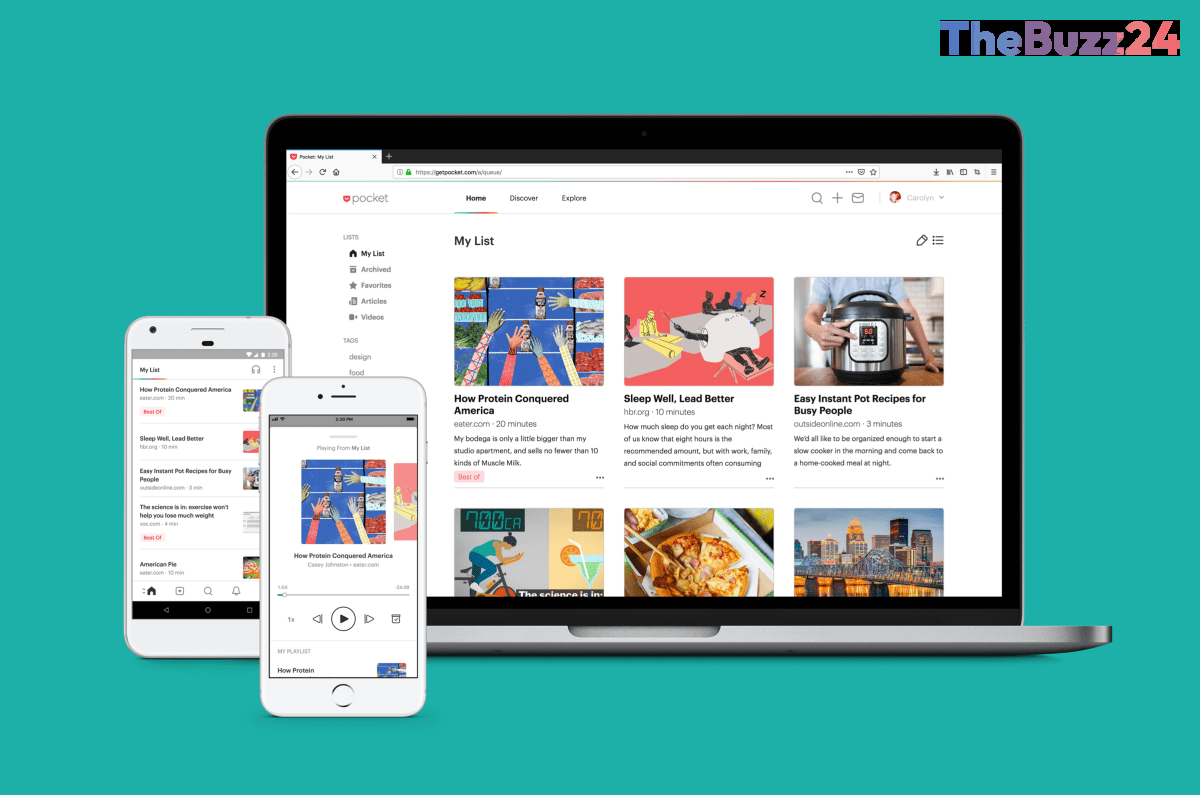
Navigating Life After Pocket: The Best Read-It-Later Apps Available Today
The digital reading landscape underwent a significant shift following the closure of the popular read-it-later application Pocket. As web browsing habits evolve and major tech platforms reevaluate their product portfolios, users who relied on saving online articles, long-form journalism, and reference materials have been forced to look elsewhere. Fortunately, this transition has spurred a wave of innovation, driving adoption toward established platforms and sparking the creation of fresh, indie-driven alternatives.
Today’s market offers a diverse array of tools designed to capture, organize, and consume web content. Established services like Instapaper continue to serve loyal readers with robust text-to-speech playlists and permanent archiving features, while newer contenders integrate advanced artificial intelligence. Applications such as Matter, Readwise Reader, and Recall leverage AI to summarize articles, generate reading co-pilots, and automatically tag content. These smart features go far beyond traditional bookmarking, transforming static reading lists into dynamic, interactive knowledge bases.
For users prioritizing minimalist design and deep customization, options like Raindrop.io, Plinky, and DoubleMemory provide seamless cross-platform syncing tailored to modern operating systems. Meanwhile, open-source advocates have gravitated toward projects like Wallabag, Readeck, and Obsidian Web Clipper, which offer data portability and self-hosting capabilities. Whether users seek automated reading habits through unconventional apps like Burn 451 or prefer rich multimedia integration for podcasts and videos, the ecosystem has quickly adapted to fill the void left behind, ensuring digital content preservation remains more accessible than ever.
Key Takeaways
- The closure of the popular read-it-later app Pocket has driven users toward a wide variety of modern alternatives.
- Many alternative applications now incorporate AI-powered features, such as automated summaries, smart tagging, and interactive reading assistants.
- Users have access to diverse choices ranging from traditional cross-platform bookmark managers and open-source tools to unique habit-building reading apps.
Editor’s Analysis & Impact
The sunsetting of a dominant tool like Pocket marks a watershed moment for personal knowledge management and digital curation. Rather than leaving a permanent vacuum, the platform’s departure has catalyzed a competitive renaissance in the productivity app sector. Developers are no longer just building simple link-storage utilities; they are embedding generative AI, advanced text-to-speech engines, and deep note-taking integrations to cater to information-heavy workflows. This shift indicates that consumers increasingly view reading lists not as temporary holding pens, but as core components of personal research and lifelong learning. Moving forward, apps that successfully blend seamless capture mechanisms with AI-driven synthesis will likely capture the highest market share, redefining how we digest and retain web-based content.
Frequently Asked Questions
Q: Why did Pocket shut down?
A: Pocket was shut down as browsing habits changed and its parent company shifted its strategic focus away from the read-it-later business model.
Q: Can I still import my old Pocket data into a new app?
A: While the deadline for direct automated transfers from Pocket has passed for many platforms, several alternative apps like Instapaper, Wallabag, and Readwise Reader previously built robust import pathways during the transition period.
Q: Are there free alternatives to Pocket available?
A: Yes, many modern read-it-later apps offer robust free tiers with unlimited bookmarking or basic reading features, alongside optional paid subscriptions for advanced tools like AI summaries, text-to-speech, and deep search capabilities.
AI Disclosure: This article is based on verified data and official reports. Our Team and AI have cross-referenced every financial detail with primary sources to ensure total accuracy.
More from this Category