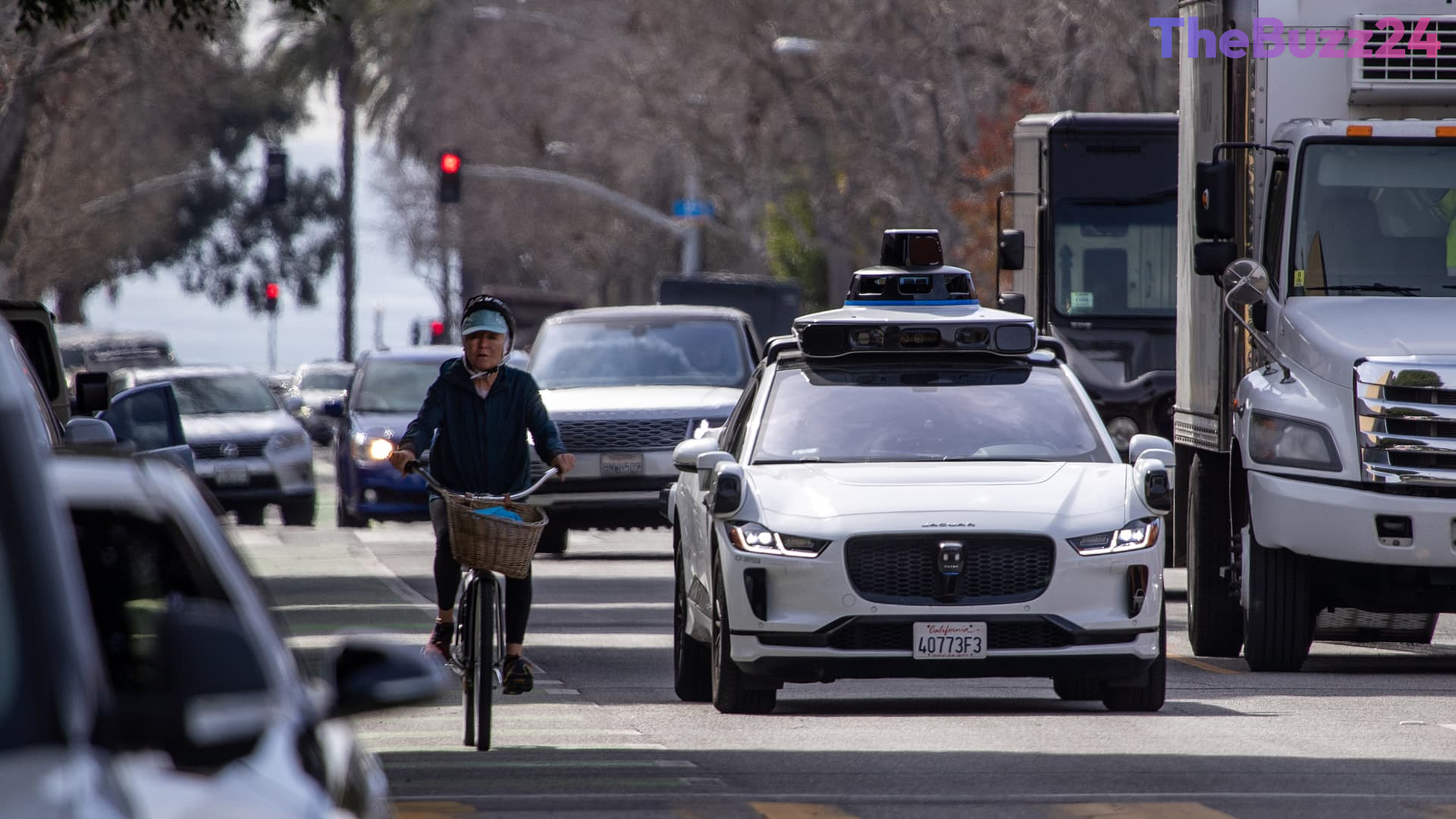
U.S. Regulators Move to Eliminate Manual Brake Requirements for Autonomous Vehicles
The National Highway Traffic Safety Administration (NHTSA) has introduced a significant regulatory proposal aimed at removing the mandate for manual brake pedals in fully autonomous vehicles. This shift is designed to accelerate the deployment of self-driving technology across the United States by acknowledging that vehicles designed exclusively for automated operation do not require traditional human-centric controls.
While the proposal seeks to modernize vehicle design standards, the agency emphasized that it is not lowering safety benchmarks. Autonomous vehicles will still be required to meet rigorous braking performance standards, including strict stopping distance requirements. This regulatory adjustment specifically targets vehicles that lack human driver controls, ensuring that safety remains a priority even as the physical architecture of automobiles evolves.
This move follows years of pressure from major automakers who have criticized the slow pace of federal oversight regarding autonomous vehicle exemptions. Previously, manufacturers like General Motors and Amazon’s Zoox have sought permission to deploy steering-wheel-free robotaxis, though the path to approval has been marked by withdrawn petitions and lengthy review cycles. By streamlining these requirements, the government aims to provide a clearer pathway for companies to test and operate purpose-built autonomous fleets on public roads.
In a related policy shift, the agency also withdrew a previous proposal for a voluntary national framework intended to oversee self-driving vehicle evaluation. The decision to scrap the framework came after feedback from industry stakeholders who argued the requirements were overly burdensome, while safety advocates contended the framework lacked the necessary teeth to ensure public protection. The agency is now focusing its efforts on developing comprehensive, standardized safety performance tests specifically tailored for the unique nature of autonomous driving systems.
Key Takeaways
- The NHTSA is proposing to remove the requirement for manual brake pedals in vehicles designed for full autonomy.
- Safety standards, including mandatory stopping distances, will remain strictly enforced despite the removal of manual controls.
- The agency has withdrawn a previous voluntary oversight framework to focus on developing more effective, standardized safety performance tests.
Editor’s Analysis & Impact
The NHTSA’s decision to remove manual brake requirements marks a pivotal shift in the regulatory landscape for autonomous vehicles. By moving away from legacy requirements designed for human drivers, the agency is signaling a transition toward a future where vehicle architecture is defined by software rather than mechanical interfaces. This change is likely to reduce the barrier to entry for companies developing purpose-built robotaxis, potentially accelerating the commercialization of autonomous ride-hailing services. However, the withdrawal of the voluntary oversight framework suggests a period of regulatory recalibration. The industry now faces a ‘wait and see’ environment where the focus shifts from voluntary guidelines to mandatory, performance-based safety testing. The long-term success of this policy will depend on whether the agency can establish these new performance tests quickly enough to satisfy both industry demand for innovation and public demand for safety.
Frequently Asked Questions
Q: Does this proposal mean autonomous vehicles will have lower safety standards?
A: No. The proposal specifically states that while manual brake pedals may be removed, autonomous vehicles must still meet strict braking performance and stopping distance standards.
Q: Does this change apply to all cars on the road?
A: No. The proposal only applies to fully autonomous vehicles that are designed without human driver controls, such as steering wheels or brake pedals.
AI Disclosure: This article is based on verified data and official reports. Our Team and AI have cross-referenced every financial detail with primary sources to ensure total accuracy.
More from this Category