The Shift to ‘Inheritourism’: Why Experiences Are Outpacing Luxury Goods
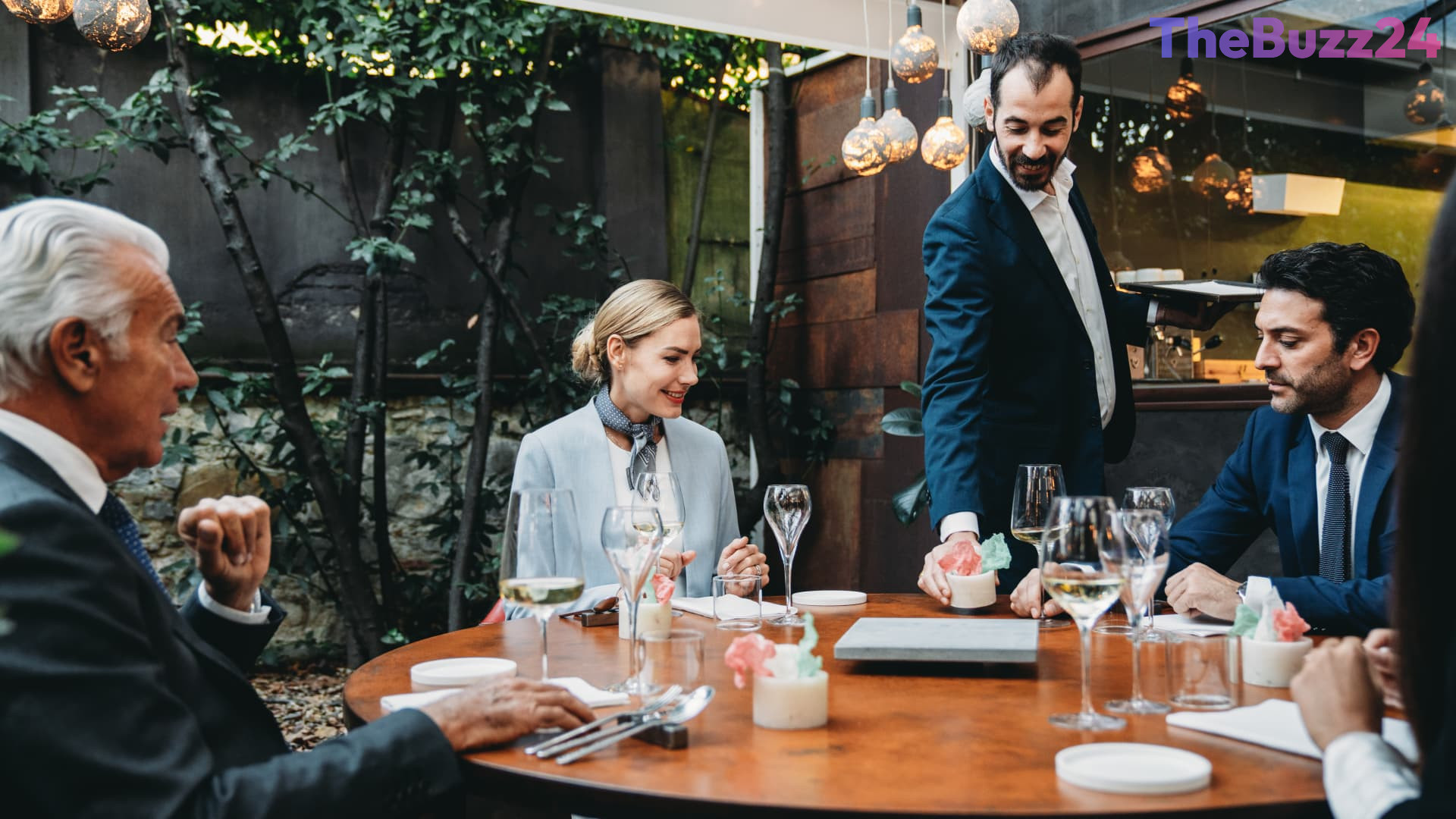
The global luxury market is undergoing a significant transformation as consumer priorities pivot away from traditional status symbols toward experiential spending. While the personal luxury goods sector is projected to see a modest growth of 1% to 4% in 2026, reaching an estimated 365 billion to 373 billion euros, the experiential sector is outpacing it with anticipated growth between 3% and 7%. Data indicates that bookings for high-end dining, leisure, and entertainment have surged by approximately 30% this year, signaling a broader cultural shift toward valuing time and access over material ownership.
Geographically, the United States has reclaimed its position as the primary engine for luxury growth for the first time since 2021, fueled largely by aspirational consumer spending. Conversely, markets like Dubai, which previously enjoyed rapid expansion, continue to face headwinds due to regional geopolitical instability. The industry is closely monitoring the Middle East and China, noting that a stabilization in these regions could provide the necessary momentum to bolster global luxury sales throughout the remainder of the year.
A notable trend emerging within this landscape is ‘inheritourism,’ a phenomenon where wealthy families prioritize multi-generational travel, with younger generations increasingly adopting the sophisticated travel preferences of their parents. This shift is complemented by a rise in ‘immersive wayfaring’—a preference for slow, bespoke travel to non-traditional, less crowded destinations. As consumers move toward a ‘less-but-better’ philosophy, the luxury sector is finding that resilience is now concentrated in offerings that provide authentic, personal, and meaningful moments that cannot be easily replicated by physical goods.
Key Takeaways
- Experiential luxury, including travel and fine dining, is growing faster than the market for physical luxury goods.
- The United States has emerged as the leading driver of global luxury growth, surpassing other major markets.
- The rise of 'inheritourism' and 'immersive wayfaring' reflects a generational shift toward valuing authentic, slow-travel experiences over status-driven consumption.
Editor’s Analysis & Impact
The luxury market is currently navigating a fundamental psychological shift among high-net-worth individuals. The transition from ‘having’ to ‘being’ suggests that luxury brands must evolve their business models to remain relevant. Companies that rely solely on product-based status are likely to face stagnation, whereas those that can integrate their brand into the ‘experiential’ ecosystem—offering exclusive access, bespoke services, or unique cultural moments—are better positioned for long-term growth. The emergence of ‘inheritourism’ also highlights the importance of brand loyalty across generations; luxury houses that successfully capture the attention of Gen Z through the values and habits of their parents will likely secure a significant competitive advantage. Moving forward, the industry’s health will remain tethered to global stability, but the underlying demand for ‘meaningful’ consumption appears to be a permanent fixture of the modern luxury economy.
Frequently Asked Questions
Q: What is 'inheritourism'?
A: Inheritourism refers to a trend where wealthy families travel together, and younger generations, particularly Gen Z, adopt the travel tastes, preferences, and destinations favored by their parents.
Q: Why are luxury experiences growing faster than luxury goods?
A: Modern consumers are increasingly prioritizing 'time, access, and meaning' over physical status symbols. There is a growing preference for authentic, personal moments that cannot be easily replicated, leading to a 30% increase in bookings for dining, leisure, and entertainment.
AI Disclosure: This article is based on verified data and official reports. Our Team and AI have cross-referenced every financial detail with primary sources to ensure total accuracy.
More from this Category