Tensions Escalate in Strait of Hormuz Following Cargo Ship Attack
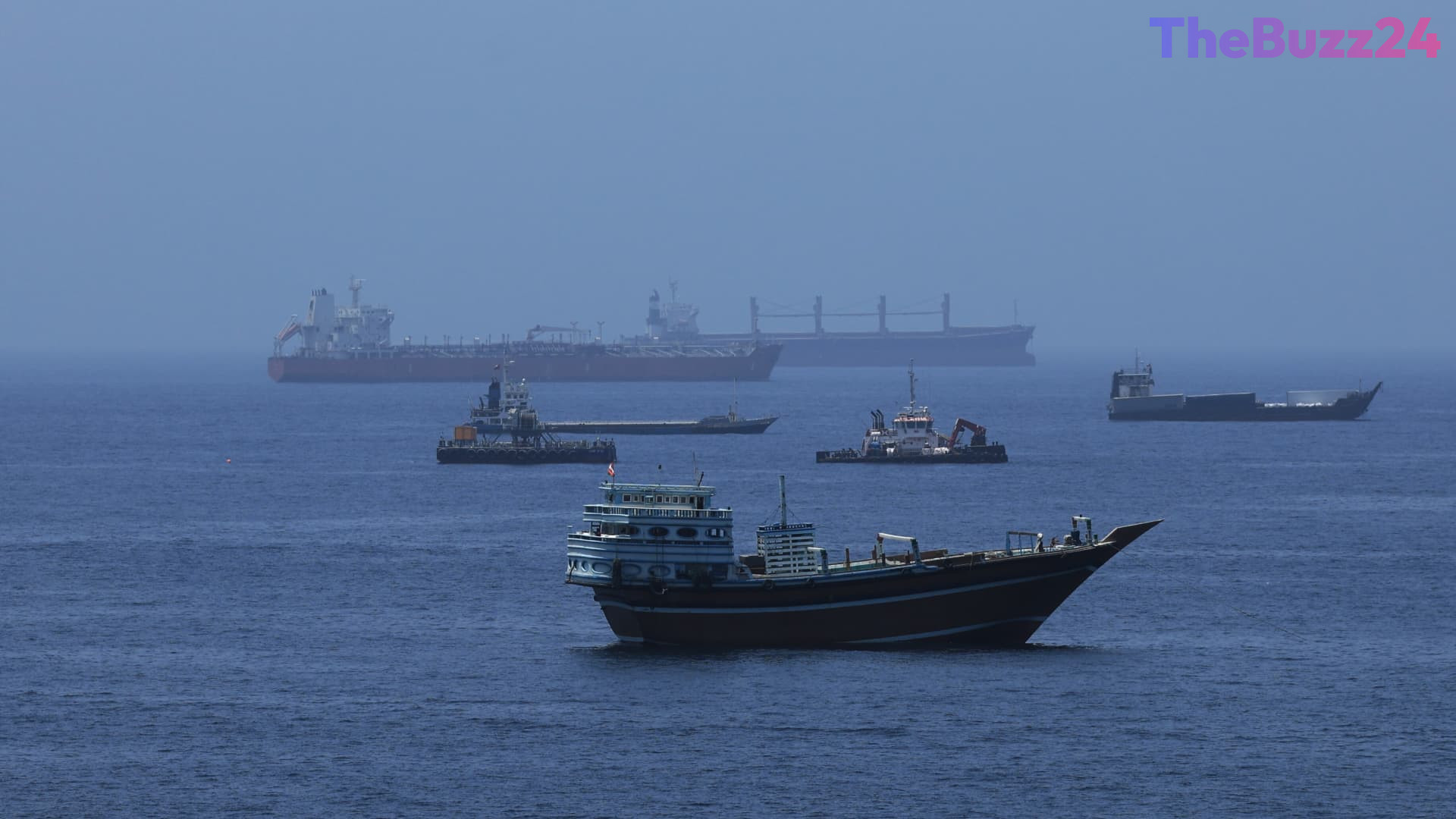
A cargo vessel traveling through the Strait of Hormuz near Oman sustained damage to its bridge after being struck by an unknown projectile on Thursday. While the Singapore-flagged ship reported no casualties or environmental damage, the incident has drawn immediate scrutiny regarding the stability of the region. U.S. officials have attributed the attack to Iran, raising significant questions about the viability of the current 60-day memorandum of understanding intended to pause hostilities.
The maritime incident coincides with a deepening diplomatic rift between Washington and Tehran regarding the terms of a proposed financial agreement. President Donald Trump and Treasury Secretary Scott Bessent have maintained that any unfreezing of Iranian assets will be strictly controlled by the U.S. and earmarked exclusively for the purchase of American agricultural products, such as corn, wheat, and soybeans. However, Iranian parliamentary speaker Mohammad Bagher Ghalibaf has publicly dismissed these claims, characterizing the U.S. narrative as a fabrication and asserting that Iran will not be dictated to regarding its trade priorities.
As the diplomatic standoff continues, the White House has requested nearly $88 billion in supplemental funding from Congress to cover costs related to the ongoing conflict, agricultural aid, and international health responses. This request faces stiff opposition from Democratic lawmakers, even as the Senate recently moved to block efforts that would have curtailed the administration’s war powers. Meanwhile, reports indicate that Iran is seeking to implement security and environmental service fees for vessels navigating the Strait of Hormuz, a proposal that the U.S. State Department has categorically rejected, citing the critical importance of the waterway to global oil supplies.
Key Takeaways
- A cargo ship was damaged by a projectile in the Strait of Hormuz, with U.S. officials identifying Iran as the party responsible.
- The U.S. and Iran remain at odds over the terms of a temporary peace deal, specifically regarding the use of unfrozen Iranian assets for U.S. agricultural purchases.
- The White House is seeking $88 billion in supplemental funding for war-related costs and other initiatives, facing significant political pushback in Congress.
Editor’s Analysis & Impact
The attack in the Strait of Hormuz serves as a volatile reminder of the fragility of the current 60-day ceasefire. By targeting a commercial vessel, the aggressor is testing the limits of the memorandum of understanding, potentially forcing the U.S. to choose between escalating military involvement or risking the collapse of diplomatic channels. The dispute over the ‘escrow’ nature of Iranian assets highlights a fundamental lack of trust; Tehran views the U.S. conditions as an infringement on sovereignty, while the Trump administration is using the funds as leverage to secure domestic political wins for the agricultural sector. If the U.S. cannot enforce the terms of the MOU or secure the Strait, global energy markets may face renewed volatility, as the region remains the world’s most critical maritime choke point for oil transit.
Frequently Asked Questions
Q: What is the current status of the Strait of Hormuz?
A: The Strait remains a high-tension zone. While a 60-day agreement currently prohibits Iran from imposing tolls on passing ships, recent attacks and Iranian proposals for service fees suggest the situation remains unstable.
Q: Why is there a disagreement over Iranian assets?
A: The U.S. insists that any released Iranian funds must be used to purchase American agricultural goods under U.S. oversight. Iranian officials reject these conditions, arguing that they should have the autonomy to determine their own trade and purchasing priorities.
AI Disclosure: This article is based on verified data and official reports. Our Team and AI have cross-referenced every financial detail with primary sources to ensure total accuracy.
More from this Category